
Introduction
Tracking expenses is an essential aspect of managing your finances effectively. By keeping detailed records of where your money is going, you can gain insight into your spending habits, identify areas where you can cut back, and ultimately achieve your financial goals. In this article, we will discuss various methods and tools you can use to track your expenses efficiently.
1. Create a Budget
The first step in tracking your expenses is to create a budget. A budget is a financial plan that outlines your income and expenses for a specific period, typically on a monthly basis. To create a budget, start by listing all your sources of income, including your salary, bonuses, and any other sources of income. Next, list all your expenses, such as rent, utilities, groceries, and entertainment. Be sure to include both fixed expenses, which remain the same each month, and variable expenses, which may fluctuate. Once you have a clear picture of your income and expenses, you can allocate funds to different categories and track your spending accordingly.
2. Use Expense Tracking Apps
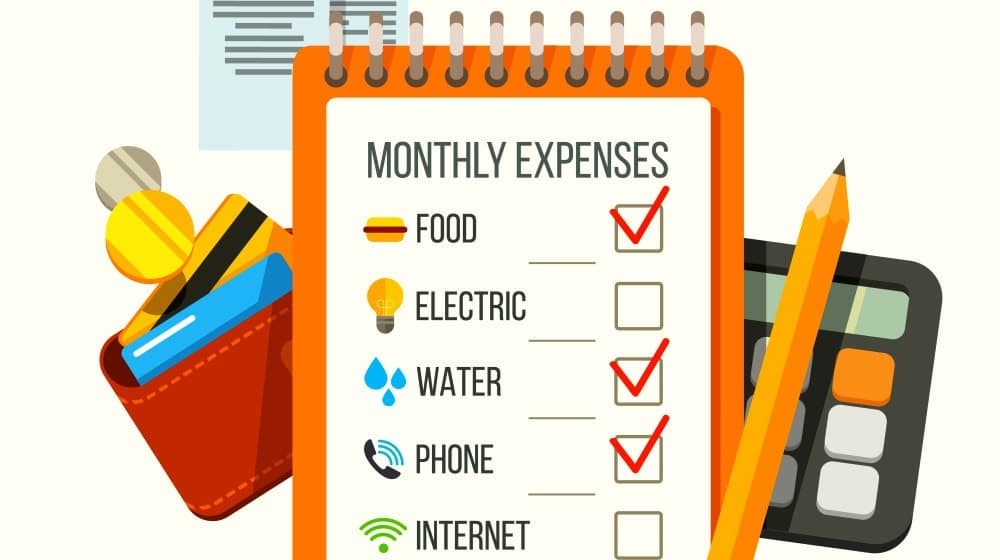
One of the easiest ways to track your expenses is to use expense tracking apps. These apps allow you to input your expenses manually or sync them automatically from your bank accounts and credit cards. Some popular expense tracking apps include Mint, YNAB (You Need A Budget), and Personal Capital. These apps categorize your expenses, provide insights into your spending habits, and generate reports to help you track your financial progress. By using an expense tracking app, you can stay organized, monitor your spending in real-time, and make informed decisions about your finances.
3. Keep Receipts and Records
Another effective way to track your expenses is to keep all your receipts and records organized. By saving your receipts for purchases, bills, and other expenses, you can have a physical record of where your money is going. Consider creating a filing system or using a digital scanner to keep track of your receipts. Additionally, keep a record of your expenses in a spreadsheet or notebook, categorizing them by type (e.g., groceries, utilities, transportation). By maintaining detailed records of your expenses, you can easily track your spending and identify areas where you can make adjustments.
4. Set Financial Goals

Setting financial goals can help motivate you to track your expenses and stay on budget. Whether your goal is to save for a vacation, purchase a home, or pay off debt, having a clear objective in mind can give you a sense of purpose and direction. Break down your goals into smaller, actionable steps, such as saving a specific amount each month or reducing spending in certain categories. By tracking your expenses and monitoring your progress towards your financial goals, you can stay motivated and focused on achieving financial success.
5. Review and Analyze Your Expenses Regularly
To effectively track your expenses, it’s essential to review and analyze your spending regularly. Set aside time each week or month to review your expenses, categorize them, and identify any trends or patterns. Look for areas where you may be overspending or where you can cut back. By analyzing your expenses regularly, you can make informed decisions about your finances, adjust your budget as needed, and stay on track towards your financial goals.
6. Monitor Your Cash Flow
Monitoring your cash flow is another key aspect of tracking your expenses. Cash flow refers to the movement of money in and out of your accounts, including income, expenses, and savings. By tracking your cash flow, you can see how much money you have coming in, how much you are spending, and how much you are saving. This information can help you identify areas where you may need to adjust your budget, increase your income, or reduce your expenses. By maintaining a positive cash flow and tracking your expenses effectively, you can achieve financial stability and security.
7. Automate Your Savings and Expenses
Automating your savings and expenses can make tracking your finances more convenient and efficient. Set up automatic transfers from your checking account to your savings account each month to ensure you are saving consistently. You can also automate bill payments for recurring expenses, such as rent, utilities, and subscriptions, to avoid late fees and penalties. By automating your savings and expenses, you can streamline your finances, reduce the risk of overspending, and stay on track towards your financial goals.
8. Seek Professional Help if Needed
If you find yourself struggling to track your expenses or manage your finances effectively, don’t hesitate to seek professional help. Financial advisors, accountants, and credit counselors can provide expert guidance and advice to help you get your finances back on track. They can help you create a budget, develop a savings plan, and make informed decisions about your money. By seeking professional help, you can gain valuable insights, improve your financial literacy, and achieve financial success.
Conclusion
In conclusion, tracking your expenses is a crucial aspect of managing your finances and achieving your financial goals. By creating a budget, using expense tracking apps, keeping receipts and records, setting financial goals, reviewing and analyzing your expenses regularly, monitoring your cash flow, automating your savings and expenses, and seeking professional help if needed, you can effectively track your expenses and take control of your finances. By implementing these strategies and tools, you can make informed decisions about your money, reduce financial stress, and work towards a secure financial future. Start tracking your expenses today and take the first step towards financial success.