
Understanding the Basics of Building Credit from Scratch
Building credit from scratch can seem like a daunting task, especially if you have never had any credit history before. However, it is an essential step in achieving financial stability and being able to access credit in the future. The first step in building credit is to understand the basics of how credit works. Your credit score is a three-digit number that represents your creditworthiness to lenders. This score is based on factors such as your payment history, credit utilization, length of credit history, types of credit accounts, and new credit inquiries.
To start building credit from scratch, you will need to open a credit account. This can be a credit card, a secured credit card, or a credit-building loan. Secured credit cards are a good option for those with no credit history, as they require a security deposit that acts as collateral. Making on-time payments and keeping your credit utilization low will help improve your credit score over time. It is important to monitor your credit report regularly to ensure that all information is accurate and to detect any potential errors.
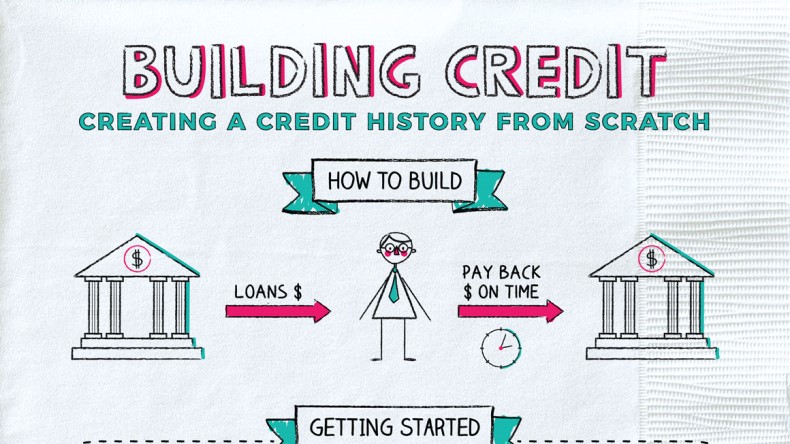
Building credit from scratch is a gradual process that requires patience and discipline. By understanding the basics of credit and taking steps to establish a positive credit history, you can set yourself up for future financial success.
Choosing the Right Credit Card to Build Credit
When building credit from scratch, choosing the right credit card is crucial. There are several options to consider, including secured credit cards, student credit cards, and credit cards for those with limited or no credit history. Secured credit cards require a security deposit that acts as collateral, making them a good option for those with no credit history. Student credit cards are designed for college students and often have lower credit limits and fewer fees.

Before applying for a credit card, it is important to research different options and compare the terms and conditions. Look for a card with no annual fee, a low interest rate, and rewards or cashback benefits. It is also important to consider the credit card issuer’s reputation and customer service. Once you have chosen a credit card, use it responsibly by making on-time payments and keeping your credit utilization low.
Building credit with a credit card requires discipline and responsible financial habits. By choosing the right credit card and using it wisely, you can establish a positive credit history and improve your credit score over time.
Building Credit with a Credit-Building Loan
In addition to credit cards, another option for building credit from scratch is a credit-building loan. These loans are specifically designed to help individuals establish or improve their credit history. A credit-building loan works by depositing a specific amount of money into a savings account, which you then make monthly payments on. Once the loan is repaid, the funds are released to you, and your credit report reflects the positive payment history.
Credit-building loans are a good option for those who do not qualify for a traditional loan or credit card due to limited or no credit history. They can help you demonstrate responsible financial behavior and improve your credit score over time. It is important to research different lenders and compare terms and interest rates before applying for a credit-building loan.
By incorporating a credit-building loan into your credit-building strategy, you can diversify your credit mix and demonstrate your ability to manage different types of credit responsibly. This can help improve your credit score and increase your access to credit in the future.
Establishing Good Financial Habits to Build Credit
Building credit from scratch is not just about opening a credit account or taking out a loan. It also requires establishing good financial habits that will help you maintain a positive credit history. One of the most important habits to develop is making on-time payments on all of your credit accounts. Late or missed payments can have a significant negative impact on your credit score.
Another important habit is keeping your credit utilization low. Credit utilization refers to the percentage of your available credit that you are using at any given time. It is recommended to keep your credit utilization below 30% to maintain a healthy credit score. Additionally, it is important to avoid opening too many new credit accounts at once, as this can signal to lenders that you are a high-risk borrower.
Monitoring your credit report regularly is also a good habit to develop when building credit from scratch. By checking your credit report for errors or fraudulent activity, you can ensure that your credit history is accurate and up-to-date. Establishing these good financial habits will help you build credit and improve your financial well-being in the long run.
Utilizing Credit-Builder Programs to Build Credit
Credit-builder programs are another option for individuals looking to build credit from scratch. These programs are offered by banks and credit unions and are designed to help individuals establish or improve their credit history. They typically work by depositing a set amount of money into a special savings account, which is then used as collateral for a loan or credit card.
By making regular payments on the loan or credit card, you can demonstrate responsible financial behavior and build a positive credit history. Once the loan or credit card is paid off, you receive the funds in the savings account, and your credit report reflects the positive payment history. Credit-builder programs are a good option for those who may not qualify for traditional credit accounts due to limited or no credit history.
It is important to research different credit-builder programs and compare terms and interest rates before enrolling in one. By utilizing a credit-builder program, you can establish a positive credit history and improve your credit score over time.
Understanding the Impact of Credit Inquiries on Your Credit Score
When building credit from scratch, it is important to understand the impact of credit inquiries on your credit score. A credit inquiry occurs when a lender or creditor checks your credit report in response to an application for credit. There are two types of credit inquiries: hard inquiries and soft inquiries. Hard inquiries occur when you apply for credit, such as a credit card or loan, and can have a negative impact on your credit score.
Soft inquiries, on the other hand, occur when you check your own credit report or when a lender checks your credit report for pre-approval offers. Soft inquiries do not affect your credit score. It is important to limit the number of hard inquiries on your credit report, as they can lower your credit score and signal to lenders that you are a high-risk borrower.
When applying for credit cards or loans to build credit from scratch, try to limit the number of applications you submit. Instead, research different options and choose the ones that best fit your financial needs. By understanding the impact of credit inquiries on your credit score, you can make informed decisions that will help you build credit responsibly.
Seeking Help from a Credit Counselor to Build Credit
If you are struggling to build credit from scratch or have questions about the credit-building process, consider seeking help from a credit counselor. Credit counselors are trained professionals who can provide personalized advice and guidance on how to establish or improve your credit history. They can help you create a budget, develop a debt repayment plan, and navigate the credit-building process.
Credit counselors can also help you understand your credit report and score, identify areas for improvement, and dispute any errors or inaccuracies. By working with a credit counselor, you can gain valuable insights into your financial situation and develop a plan to build credit and improve your financial well-being.
When choosing a credit counselor, be sure to research different options and look for a reputable organization with certified counselors. Many nonprofit organizations offer free or low-cost credit counseling services to individuals in need. By seeking help from a credit counselor, you can get on the right track to building credit from scratch.
Conclusion
Building credit from scratch is a gradual process that requires patience, discipline, and responsible financial habits. By understanding the basics of credit, choosing the right credit card or loan, establishing good financial habits, utilizing credit-builder programs, and seeking help from a credit counselor, you can set yourself up for future financial success. Remember to monitor your credit report regularly, make on-time payments, keep your credit utilization low, and limit the number of credit inquiries to maintain a healthy credit score. With dedication and perseverance, you can build credit from scratch and achieve your financial goals.