
Credit Score Myths: Debunking Common Misconceptions
Myth 1: Checking Your Credit Score Hurts Your Credit
One of the most prevalent myths surrounding credit scores is the belief that checking your credit score will have a negative impact on your overall credit health. In reality, when you check your own credit score, it is considered a soft inquiry and does not affect your credit score at all. However, when a lender or financial institution checks your credit score as part of a credit application process, it is considered a hard inquiry and can potentially have a small negative impact on your score. It’s important to regularly check your credit score to monitor for any errors or fraudulent activity, as staying informed about your credit health can help you make better financial decisions.
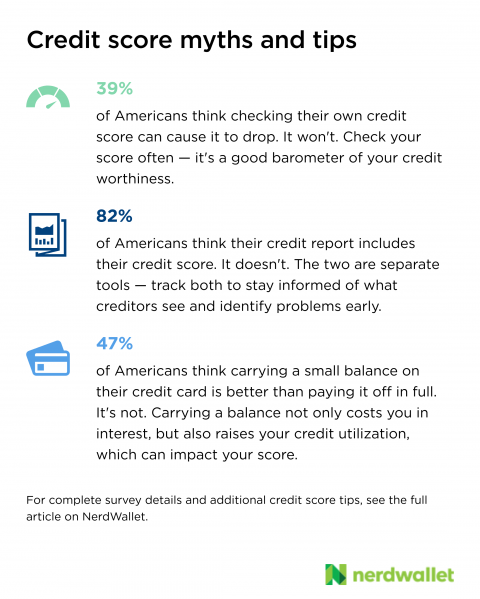
Additionally, utilizing credit monitoring services can help you stay on top of any changes to your credit score and provide alerts for any suspicious activity. By regularly checking your credit score, you can catch any errors or inaccuracies early on and take steps to rectify them before they negatively impact your credit health.
Overall, checking your own credit score is a responsible financial habit that can help you stay informed about your credit health and make more informed decisions when it comes to managing your finances.
Myth 2: Closing Credit Card Accounts Will Improve Your Credit Score
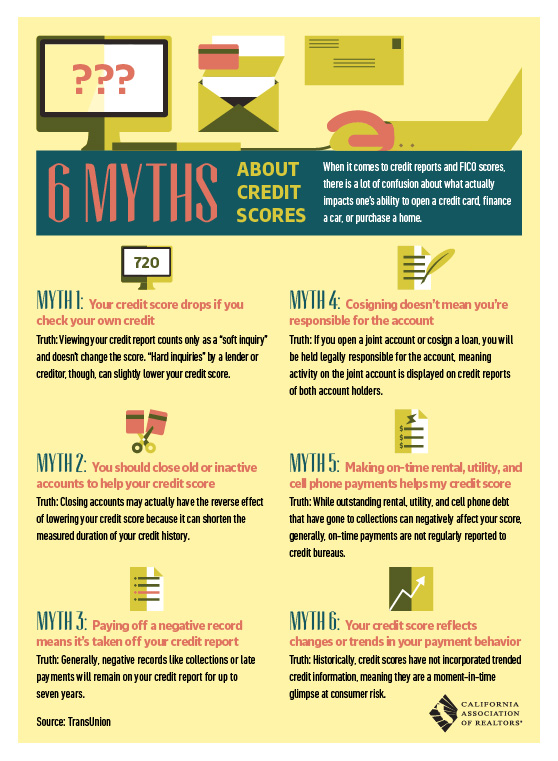
There is a common misconception that closing credit card accounts you no longer use will improve your credit score. In reality, closing credit card accounts can actually have a negative impact on your credit score, especially if the account has a long history of on-time payments. Closing an old credit card account can shorten the average age of your credit accounts, which can lower your credit score.
Additionally, closing a credit card account can also affect your credit utilization ratio, which is the amount of credit you have available compared to the amount you are using. If you close a credit card account with a high credit limit, your overall credit utilization ratio may increase, which can also lower your credit score.
Instead of closing credit card accounts, consider keeping them open and using them occasionally to make small purchases. This can help you maintain a positive credit history and utilization ratio, which can ultimately improve your credit score over time.
Myth 3: Paying Off Debt Will Immediately Improve Your Credit Score
While paying off debt is an important step towards improving your credit score, it may not have an immediate impact on your credit score. Credit scoring models take into account various factors, including payment history, credit utilization, length of credit history, new credit accounts, and types of credit used. While paying off debt can improve your credit utilization ratio and demonstrate responsible financial behavior, it may take some time for your credit score to reflect these positive changes.
It’s also important to note that different credit scoring models may weigh certain factors differently, so the impact of paying off debt on your credit score may vary. Additionally, other factors such as late payments, collections, and bankruptcies can also impact your credit score and may take longer to improve.
Ultimately, paying off debt is a positive financial habit that can help you improve your credit score over time. By consistently making on-time payments and reducing your overall debt, you can work towards achieving a healthier credit score in the long run.
Myth 4: You Need to Carry a Balance on Your Credit Cards to Build Credit
Contrary to popular belief, you do not need to carry a balance on your credit cards in order to build credit. In fact, carrying a balance can actually cost you more in interest fees and may not have any positive impact on your credit score. Credit scoring models assess your credit utilization ratio, which is the amount of credit you are using compared to the amount you have available. Keeping your credit utilization low by paying off your balances in full each month can actually have a more positive impact on your credit score.
Additionally, making on-time payments and using your credit cards responsibly are key factors in building and maintaining good credit. By paying your credit card bills in full and on time each month, you can demonstrate to lenders that you are a responsible borrower and can help improve your credit score over time.
Ultimately, carrying a balance on your credit cards is not necessary to build credit. By using your credit cards responsibly and paying off your balances in full each month, you can establish positive credit habits and work towards achieving a healthier credit score.
Myth 5: Closing a Credit Card Will Remove It from Your Credit Report
Another common misconception is the belief that closing a credit card account will remove it from your credit report. In reality, closing a credit card account does not automatically remove it from your credit report. The account will still appear on your credit report for a certain period of time, typically up to 10 years, depending on the credit reporting agency.
Even though a closed credit card account may still appear on your credit report, it may not have as much of an impact on your credit score as an open account. Closed accounts can still contribute to your credit history and overall credit health, so it’s important to consider the potential consequences before closing a credit card account.
If you are considering closing a credit card account, it may be beneficial to first pay off any outstanding balances and ensure that the account is in good standing. By closing the account responsibly and monitoring your credit report for any changes, you can minimize the potential impact on your credit score and maintain a positive credit history.
Myth 6: Checking Your Credit Report Will Lower Your Credit Score
Many people mistakenly believe that checking their credit report will lower their credit score. However, checking your own credit report is considered a soft inquiry and will not have any impact on your credit score. In fact, regularly monitoring your credit report can help you stay informed about your credit health and identify any errors or fraudulent activity that may be affecting your score.
It’s important to review your credit report at least once a year to ensure that all the information is accurate and up to date. By checking your credit report regularly, you can catch any errors early on and take steps to correct them before they negatively impact your credit score.
Additionally, monitoring your credit report can help you detect any signs of identity theft or fraudulent activity. By staying informed about your credit health and taking proactive steps to protect your personal information, you can help safeguard your credit score and financial well-being.
Myth 7: Co-signing a Loan Will Not Affect Your Credit
Co-signing a loan for a family member or friend can have a significant impact on your credit score. When you co-sign a loan, you are agreeing to be responsible for the debt if the primary borrower defaults on the loan. This means that any missed payments or defaults by the primary borrower can also negatively affect your credit score.
Additionally, co-signing a loan can also impact your credit utilization ratio and overall credit health. If the primary borrower maxes out the loan or makes late payments, it can increase your overall debt load and potentially lower your credit score.
Before co-signing a loan, it’s important to carefully consider the potential risks and implications for your credit score. Make sure you trust the primary borrower to make timely payments and understand the potential consequences of co-signing a loan. By being informed and proactive, you can help protect your credit score and financial well-being.
Myth 8: Credit Repair Companies Can Instantly Fix Your Credit Score
There are many credit repair companies that claim to be able to instantly fix your credit score. However, it’s important to be cautious of these claims, as improving your credit score is a process that takes time and effort. Credit repair companies may promise to remove negative items from your credit report or boost your credit score quickly, but these claims are often too good to be true.
Legitimate credit repair companies can help you navigate the credit repair process and dispute any inaccurate or fraudulent information on your credit report. However, it’s important to be wary of companies that charge high fees or make unrealistic promises about improving your credit score overnight.
Improving your credit score takes time and patience, but by consistently making on-time payments, reducing your overall debt, and monitoring your credit report for errors, you can work towards achieving a healthier credit score. By being proactive and informed about your credit health, you can take control of your financial future and make more informed decisions about managing your credit.
Conclusion
Debunking common credit score myths is essential for understanding how credit scores work and how to improve your credit health. By dispelling misconceptions about checking your credit score, closing credit card accounts, paying off debt, and other credit-related topics, you can make more informed decisions about managing your finances and achieving a healthy credit score.
It’s important to regularly check your credit score, review your credit report for errors, and stay informed about your credit health to ensure that you are on the right path towards achieving a healthier credit score. By being proactive and knowledgeable about credit score myths, you can take control of your financial future and work towards achieving your financial goals.