
What is Real Estate Investing?
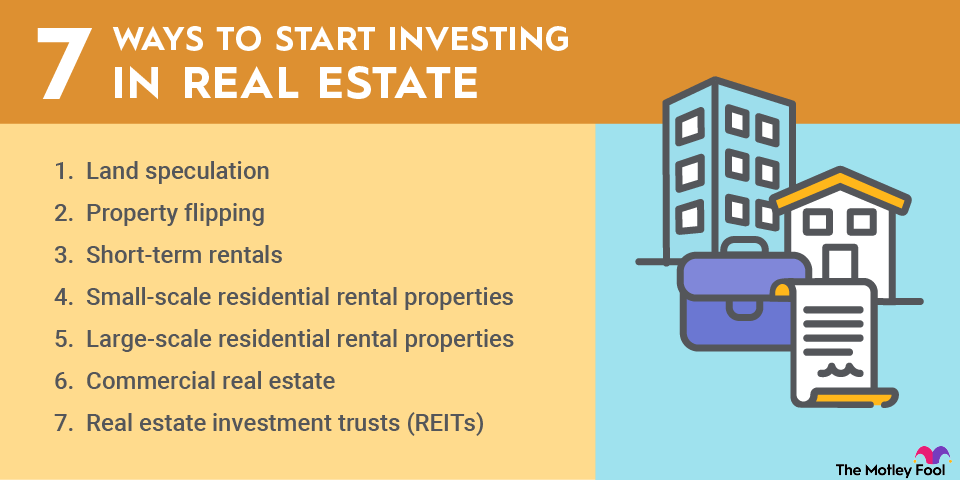
Real estate investing is the process of purchasing, owning, managing, renting, and/or selling real estate for profit. It is a popular investment strategy that can provide passive income, tax benefits, and potential long-term appreciation of your investment. Real estate investing can come in many forms such as rental properties, commercial real estate, fix-and-flip projects, and real estate investment trusts (REITs).
For beginners looking to dip their toes into real estate investing, it’s important to understand the basics of the market, including how to evaluate properties, finance your investments, and manage your properties effectively. It’s also important to have a clear investment strategy and goals in mind before starting your real estate journey.
One key advantage of real estate investing is the ability to leverage your investment. This means using borrowed money to increase the potential return on investment. However, it’s important to be cautious when using leverage as it can also increase risk. As a beginner, it’s crucial to educate yourself on the risks and rewards of real estate investing before jumping in.
Benefits of Real Estate Investing for Beginners
There are several benefits to real estate investing for beginners, including potential for passive income, tax advantages, and appreciation of your investment. One of the main attractions of real estate investing is the ability to generate passive income through rental properties. By owning rental properties, you can earn a steady stream of income each month from your tenants.

Another benefit of real estate investing is the potential for tax advantages. Rental property owners can deduct expenses such as mortgage interest, property taxes, repairs, and maintenance from their taxable income. This can help reduce your tax liability and increase your overall return on investment.
Additionally, real estate has historically been a solid long-term investment, with properties typically appreciating in value over time. This can provide investors with potential capital gains when they decide to sell their properties. Overall, real estate investing can be a lucrative investment strategy for beginners looking to build wealth over time.
Types of Real Estate Investments for Beginners

There are several types of real estate investments that beginners can explore, including rental properties, fix-and-flip projects, and real estate investment trusts (REITs). Rental properties are one of the most common forms of real estate investing, where investors purchase properties and rent them out to tenants. This can provide a steady stream of passive income each month.
Fix-and-flip projects involve purchasing distressed properties, renovating them, and selling them for a profit. This type of investment can be more hands-on and require a larger upfront investment, but can also yield a higher return on investment. Real estate investment trusts (REITs) are another option for beginners, where investors can purchase shares of a publicly traded company that owns and manages real estate properties.
Each type of real estate investment comes with its own set of risks and rewards, so it’s important for beginners to carefully consider their investment goals and risk tolerance before diving into a particular type of investment.
How to Evaluate Real Estate Properties
When considering a real estate investment, it’s important to evaluate the property to ensure it meets your investment goals and will provide a positive return on investment. One key factor to consider is the location of the property. Location plays a crucial role in the potential success of a real estate investment, as properties in desirable areas tend to appreciate in value more quickly and attract higher quality tenants.
Another factor to consider when evaluating a property is its condition and potential for improvement. Properties in need of renovations or updates can provide investors with the opportunity to increase the property’s value and rental income. It’s important to carefully assess the costs of renovations and repairs to determine if the investment is financially viable.
Additionally, it’s important to consider the rental potential of the property. Research the rental market in the area to determine the potential rental income and demand for rental properties. By carefully evaluating these factors, beginners can make informed decisions when choosing a real estate investment that aligns with their goals.
Financing Your Real Estate Investments
Financing is a key component of real estate investing, as many investors rely on borrowed money to purchase properties. There are several financing options available to beginners, including traditional mortgages, private lenders, and hard money loans. Traditional mortgages are a common option for financing rental properties, where investors can secure a loan from a bank or mortgage lender.
Private lenders and hard money loans are alternative financing options for investors who may not qualify for traditional mortgages. Private lenders are individuals or companies that provide loans to investors based on the property’s value rather than the investor’s credit score. Hard money loans are short-term, high-interest loans that are typically used for fix-and-flip projects.
Before securing financing for a real estate investment, it’s important to shop around and compare different lenders to find the best terms and rates for your investment. It’s also important to have a solid understanding of your financial situation and ability to repay the loan before taking on any debt.
Managing Your Real Estate Investments
Effective property management is crucial for the success of your real estate investments. Whether you choose to manage your properties yourself or hire a property management company, it’s important to stay on top of maintenance, repairs, tenant relations, and financials to ensure your investment is profitable. Property management can be time-consuming and require attention to detail, so it’s important to have a plan in place for managing your properties effectively.
One key aspect of property management is tenant relations. Building positive relationships with your tenants can help reduce turnover and vacancy rates, leading to a more stable and profitable investment. It’s important to respond promptly to tenant concerns, address maintenance issues in a timely manner, and maintain open communication with your tenants to foster a positive rental experience.
Additionally, it’s important to stay organized and keep detailed records of income and expenses related to your properties. This can help you track your investment performance, monitor cash flow, and make informed decisions about your real estate portfolio. By effectively managing your properties, you can maximize the potential return on your investment and build long-term wealth through real estate investing.
Common Mistakes to Avoid in Real Estate Investing
While real estate investing can be a lucrative investment strategy, there are several common mistakes that beginners should avoid to ensure their success. One common mistake is failing to conduct thorough due diligence on a property before purchasing it. It’s important to research the property, evaluate its potential for rental income or appreciation, and assess any potential risks or drawbacks before making a decision.
Another common mistake is overleveraging your investment. While leverage can help increase the potential return on investment, it can also increase risk and financial strain if not managed properly. It’s important to carefully consider your borrowing capacity, interest rates, and repayment terms before taking on debt for a real estate investment.
Additionally, failing to have a clear investment strategy and goals in mind can lead to haphazard decision-making and poor investment choices. It’s important to have a solid understanding of your risk tolerance, investment timeline, and financial goals before starting your real estate journey. By avoiding these common mistakes and staying informed about the real estate market, beginners can increase their chances of success in real estate investing.
Conclusion
Real estate investing can be a rewarding investment strategy for beginners looking to build wealth over time. By understanding the basics of real estate investing, evaluating properties effectively, securing financing, managing properties, and avoiding common mistakes, beginners can increase their chances of success in the real estate market. Whether you choose to invest in rental properties, fix-and-flip projects, or REITs, real estate investing offers a variety of opportunities for building passive income, tax advantages, and long-term appreciation of your investment. With careful planning, education, and diligence, beginners can navigate the real estate market with confidence and achieve their financial goals through real estate investing.