
Tax-Efficient Investing: Maximizing Returns While Minimizing Taxes
Understanding Tax-Efficient Investing
Tax-efficient investing is a strategy that aims to minimize the impact of taxes on investment returns. By strategically investing in tax-advantaged accounts and assets, investors can potentially increase their after-tax returns. This approach involves considering factors such as tax rates, investment vehicles, and timing of transactions to optimize tax outcomes.
One key aspect of tax-efficient investing is asset location, which involves placing assets with the highest tax implications in tax-advantaged accounts such as IRAs and 401(k)s, while holding tax-efficient assets in taxable accounts. By strategically allocating assets based on their tax efficiency, investors can reduce the overall tax burden on their investments.
Another important consideration in tax-efficient investing is the timing of transactions. By carefully planning when to buy and sell investments, investors can minimize short-term capital gains taxes and take advantage of long-term capital gains tax rates, which are typically lower. Additionally, utilizing tax-loss harvesting strategies can help offset capital gains with losses to reduce the tax liability.
Overall, tax-efficient investing is a proactive approach to managing taxes on investments, allowing investors to keep more of their returns and potentially achieve their financial goals faster.
Tax-Advantaged Accounts

Tax-advantaged accounts, such as IRAs, 401(k)s, and HSAs, offer unique tax benefits that can help investors maximize their after-tax returns. Contributions to these accounts are typically tax-deductible, allowing investors to reduce their taxable income and potentially lower their tax bill. Additionally, investments within these accounts grow tax-deferred, meaning investors do not have to pay taxes on capital gains, dividends, or interest until they make withdrawals.
One common tax-advantaged account is the Roth IRA, which offers tax-free growth and withdrawals in retirement. While contributions to a Roth IRA are not tax-deductible, withdrawals in retirement are tax-free, making it an attractive option for tax-efficient investing. By strategically allocating assets in a Roth IRA, investors can potentially shield a portion of their investments from taxes and maximize their after-tax returns.

Another popular tax-advantaged account is the 401(k), which allows employees to contribute a portion of their pre-tax income to a retirement account. Employer contributions and investment growth within the account are also tax-deferred, providing additional tax benefits. By taking advantage of employer matching contributions and maximizing contributions to a 401(k), investors can boost their retirement savings while minimizing their tax liability.
In summary, tax-advantaged accounts are valuable tools for tax-efficient investing, offering unique tax benefits that can help investors maximize their after-tax returns and achieve their financial goals.
Capital Gains Tax Strategies
Capital gains taxes can significantly impact investment returns, making it essential for investors to consider tax-efficient strategies when buying and selling assets. One effective strategy is to hold investments for the long term to take advantage of lower long-term capital gains tax rates. By holding investments for more than one year, investors can benefit from reduced tax rates on capital gains, which are typically lower than short-term capital gains rates.
Another tax-efficient strategy is tax-loss harvesting, which involves selling investments at a loss to offset capital gains and reduce the overall tax liability. By strategically selling investments that have declined in value, investors can generate capital losses that can be used to offset capital gains and potentially reduce taxes owed. Additionally, tax-loss harvesting can help rebalance a portfolio and improve overall tax efficiency.
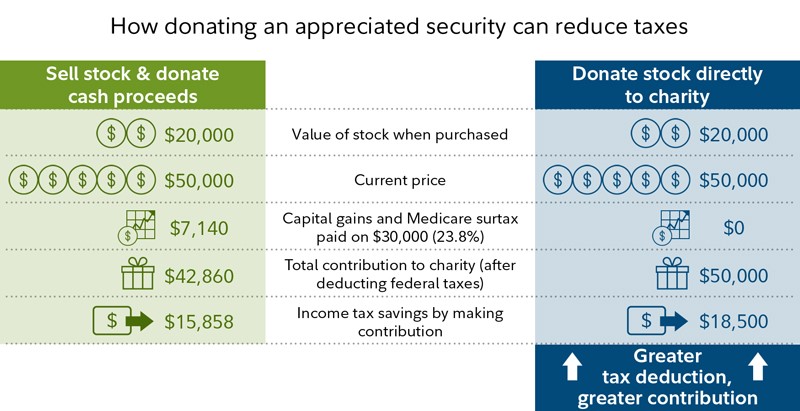
Investors can also consider gifting appreciated assets to charity or loved ones to minimize capital gains taxes. By donating appreciated assets, investors can avoid paying capital gains taxes on the appreciation and receive a charitable deduction for the fair market value of the asset. Similarly, gifting appreciated assets to family members can transfer the tax liability to the recipient, potentially reducing taxes for both parties.
In conclusion, capital gains tax strategies are essential for tax-efficient investing, helping investors minimize taxes on investment returns and maximize after-tax profits. By utilizing strategies such as long-term investing, tax-loss harvesting, and gifting appreciated assets, investors can optimize their tax outcomes and achieve their financial goals.
Dividend Tax Strategies
Dividend income is subject to taxation, making it important for investors to consider tax-efficient strategies when investing in dividend-paying stocks. One effective strategy is to hold dividend-paying stocks in tax-advantaged accounts such as IRAs and 401(k)s, where dividends can grow tax-deferred. By holding dividend stocks in these accounts, investors can delay paying taxes on dividend income and potentially increase their after-tax returns.
Another tax-efficient strategy for managing dividend income is to reinvest dividends through a dividend reinvestment plan (DRIP). By reinvesting dividends into additional shares of the same stock, investors can compound their returns over time and potentially increase their overall investment value. Additionally, reinvesting dividends can help investors avoid paying taxes on dividend income, as taxes are only triggered when dividends are received in cash.
Investors can also consider holding dividend-paying stocks for the long term to take advantage of lower long-term capital gains tax rates. By holding dividend stocks for more than one year, investors can benefit from reduced tax rates on capital gains, potentially lowering their overall tax liability. Additionally, holding dividend stocks for the long term can provide stability and income in a portfolio, making them attractive investments for tax-efficient strategies.
In summary, dividend tax strategies are essential for tax-efficient investing, helping investors minimize taxes on dividend income and maximize after-tax returns. By utilizing strategies such as holding dividend stocks in tax-advantaged accounts, reinvesting dividends, and holding stocks for the long term, investors can optimize their tax outcomes and achieve their financial goals.
Tax-Efficient Asset Allocation
Asset allocation plays a crucial role in tax-efficient investing, as it involves strategically allocating assets based on their tax efficiency to minimize taxes on investment returns. One key aspect of tax-efficient asset allocation is placing tax-inefficient assets such as bonds and actively managed funds in tax-advantaged accounts like IRAs and 401(k)s. These investments generate regular income and capital gains, which can be sheltered from taxes in these accounts.
Conversely, tax-efficient assets such as index funds and ETFs are better suited for taxable accounts, as they generate fewer taxable events and have lower turnover rates. By holding tax-efficient assets in taxable accounts, investors can reduce the tax impact on their investments and potentially increase after-tax returns. Additionally, tax-efficient assets can provide diversification and cost-effective exposure to various asset classes, making them attractive options for long-term investing.
Another important consideration in tax-efficient asset allocation is rebalancing a portfolio to maintain desired asset allocations while minimizing taxes. By strategically selling assets that have appreciated in value and reinvesting in underperforming assets, investors can optimize their portfolio’s tax efficiency and potentially reduce taxes owed. Rebalancing regularly can help investors stay on track with their financial goals and manage risk in their investments.
In conclusion, tax-efficient asset allocation is essential for maximizing after-tax returns and achieving financial goals. By strategically allocating assets based on their tax efficiency, investors can minimize taxes on investment returns and potentially increase their overall investment value. By considering factors such as asset location, tax-efficient assets, and portfolio rebalancing, investors can optimize their tax outcomes and build a tax-efficient investment strategy.
Tax-Efficient Retirement Planning
Retirement planning is a critical aspect of tax-efficient investing, as it involves strategically structuring retirement accounts and income sources to minimize taxes in retirement. One key strategy for tax-efficient retirement planning is to diversify retirement accounts to include a mix of tax-deferred, tax-free, and taxable accounts. By having a mix of account types, retirees can strategically withdraw funds to minimize taxes and potentially increase after-tax income.
Another important consideration in tax-efficient retirement planning is managing required minimum distributions (RMDs) from retirement accounts. RMDs are mandatory withdrawals from traditional IRAs and 401(k)s starting at age 72, which are subject to income tax. By planning ahead and strategically withdrawing funds from retirement accounts, retirees can minimize the tax impact of RMDs and potentially reduce their overall tax liability in retirement.
Investors can also consider converting traditional retirement accounts to Roth accounts to take advantage of tax-free withdrawals in retirement. By converting a portion of traditional IRA or 401(k) funds to a Roth account, investors can pay taxes upfront on the converted amount and then enjoy tax-free withdrawals in retirement. Roth conversions can help retirees manage their tax liability, especially during lower-income years or before reaching RMD age.
In conclusion, tax-efficient retirement planning is essential for maximizing after-tax income in retirement and achieving financial security. By diversifying retirement accounts, managing RMDs, and considering Roth conversions, retirees can optimize their tax outcomes and potentially increase their after-tax income. By working with a financial advisor and developing a tax-efficient retirement strategy, investors can secure their financial future and enjoy a comfortable retirement.
Tax-Efficient Investment Strategies for High-Net-Worth Individuals
High-net-worth individuals face unique challenges when it comes to tax-efficient investing, as they often have complex financial situations and higher tax liabilities. One key strategy for high-net-worth individuals is to utilize tax-advantaged accounts such as SEP-IRAs, Solo 401(k)s, and defined benefit plans to maximize tax benefits. These accounts offer higher contribution limits and unique tax advantages that can help high-net-worth individuals reduce their tax liability and increase after-tax returns.
Another tax-efficient strategy for high-net-worth individuals is to utilize tax-loss harvesting to offset capital gains and minimize taxes on investment returns. By strategically selling investments at a loss and reinvesting in similar assets, high-net-worth individuals can reduce their tax liability and potentially increase their overall investment value. Additionally, tax-loss harvesting can help rebalance a portfolio and improve tax efficiency over time.
High-net-worth individuals can also consider gifting appreciated assets to