
Introduction
Freelancing has become a popular career choice for many individuals seeking flexibility and autonomy in their work. However, one aspect that freelancers often overlook is planning for retirement. Unlike traditional employees who have access to employer-sponsored retirement plans, freelancers must take the initiative to set up their own retirement savings strategy. In this article, we will explore different retirement plans available to freelancers and provide tips on how to secure a comfortable retirement as a freelancer.
Individual Retirement Accounts (IRAs)
One of the most common retirement savings options available to freelancers is an Individual Retirement Account (IRA). There are two main types of IRAs – Traditional and Roth. With a Traditional IRA, contributions are made on a pre-tax basis, which can help lower your taxable income. In contrast, Roth IRAs are funded with after-tax dollars, but withdrawals in retirement are tax-free. Freelancers can contribute up to $6,000 per year (or $7,000 if over the age of 50) to an IRA, providing a tax-advantaged way to save for retirement.
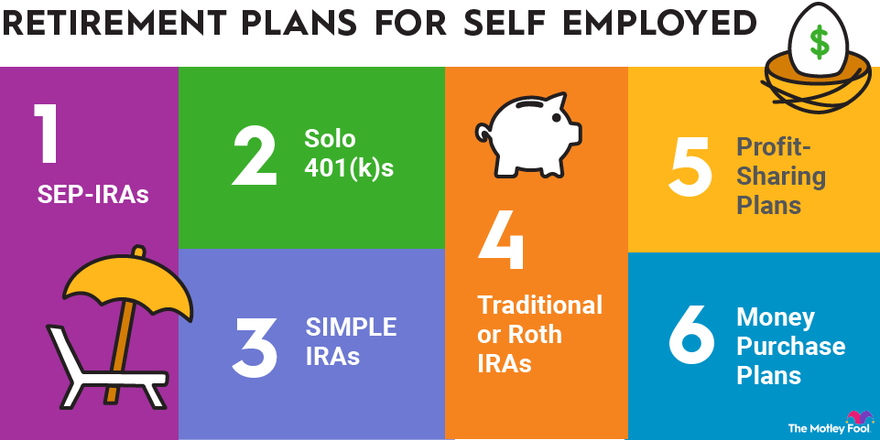
Another benefit of IRAs for freelancers is the flexibility they offer. Freelancers can choose where to open their IRA account and have control over their investment choices. This allows freelancers to tailor their retirement savings strategy to their individual financial goals and risk tolerance. Additionally, freelancers can continue to contribute to an IRA even if they have a 401(k) from a previous employer, providing an additional savings option for retirement.
Simplified Employee Pension (SEP) IRA
For freelancers with higher income levels, a Simplified Employee Pension (SEP) IRA can be a valuable retirement savings tool. SEP IRAs allow freelancers to contribute up to 25% of their net earnings from self-employment, up to a maximum of $58,000 in 2021. This can be a significant tax deduction for freelancers with high income levels, helping to reduce their taxable income while saving for retirement.
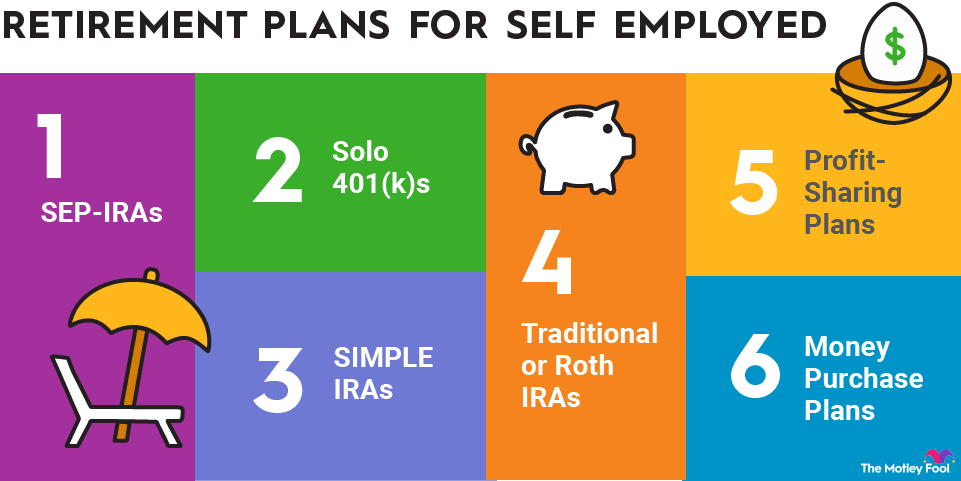
SEP IRAs are easy to set up and maintain, making them a popular choice for freelancers who want a simple and flexible retirement savings option. Contributions to a SEP IRA are made by the freelancer, not the client, giving freelancers full control over their retirement savings. Additionally, SEP IRAs have higher contribution limits than Traditional or Roth IRAs, making them an attractive option for freelancers looking to maximize their retirement savings potential.
Self-Employed 401(k)
Another retirement savings option available to freelancers is a Self-Employed 401(k), also known as a Solo 401(k). Solo 401(k)s are designed for self-employed individuals with no employees other than a spouse. Freelancers can contribute up to $58,000 in 2021, or $64,500 if over the age of 50, to a Solo 401(k), making it an attractive option for freelancers with higher income levels.
One of the key benefits of a Solo 401(k) is the ability to make both employer and employee contributions. Freelancers can make elective deferrals of up to $19,500 in 2021, plus an additional 25% of their net earnings from self-employment as an employer contribution. This can provide freelancers with significant tax advantages while saving for retirement. Solo 401(k)s also offer a wide range of investment options, giving freelancers control over their retirement savings strategy.
Health Savings Account (HSA)
In addition to retirement savings options, freelancers can also consider using a Health Savings Account (HSA) as a way to save for healthcare expenses in retirement. HSAs are available to individuals with a high-deductible health insurance plan and allow tax-free contributions, growth, and withdrawals for qualified medical expenses. Freelancers can contribute up to $3,600 for individual coverage or $7,200 for family coverage in 2021, providing a tax-advantaged way to save for healthcare expenses in retirement.
One of the key benefits of an HSA is the triple tax advantage it offers. Contributions to an HSA are tax-deductible, earnings grow tax-free, and withdrawals for qualified medical expenses are also tax-free. This can make an HSA a valuable tool for freelancers looking to save for healthcare expenses in retirement while reducing their taxable income. Additionally, any unused funds in an HSA can be rolled over year to year, allowing freelancers to build a significant healthcare savings cushion for retirement.
Real Estate Investments
Freelancers can also consider real estate investments as a retirement savings strategy. Real estate can provide a steady stream of rental income in retirement, helping to supplement other retirement savings accounts. Additionally, real estate investments have the potential for appreciation over time, providing freelancers with a valuable asset to sell or pass on to heirs in retirement.
One benefit of real estate investments for freelancers is the ability to leverage their investment. Freelancers can use financing to purchase rental properties, allowing them to maximize their investment potential with a smaller initial outlay of cash. Real estate investments can also provide diversification to a freelancer’s retirement portfolio, helping to mitigate risk and potentially increase returns over time. However, it’s important for freelancers to carefully research and understand the risks involved in real estate investing before committing to this retirement savings strategy.
Conclusion
In conclusion, freelancers have a variety of retirement savings options available to them. From IRAs to SEP IRAs, Self-Employed 401(k)s, HSAs, and real estate investments, freelancers can choose the retirement savings strategy that best aligns with their financial goals and risk tolerance. By taking the time to set up a retirement savings plan and regularly contribute to their accounts, freelancers can secure a comfortable retirement and enjoy financial independence in their later years. It’s never too early to start planning for retirement as a freelancer, so take the first step today and begin building a secure financial future for yourself.