
House Hacking Explained: How to Turn Your Home into a Cash-Generating Asset
What is House Hacking?
House hacking is a real estate investment strategy where you live in a property and rent out parts of it to generate income. This can involve renting out rooms in your house, converting a basement or garage into a rental unit, or even purchasing a multi-unit property and living in one unit while renting out the others. House hacking is a great way to reduce or eliminate your housing expenses while building equity and generating passive income.
One of the key benefits of house hacking is that it allows you to get into real estate investing with little to no money down. By renting out parts of your property, you can cover your mortgage and other expenses, allowing you to live for free or even make a profit. House hacking is also a flexible strategy that can be tailored to your personal financial goals and living situation. Whether you’re a young professional looking to reduce expenses, a family looking to build wealth, or a retiree looking for supplemental income, house hacking can be a great option.

In addition to financial benefits, house hacking can also provide a sense of community and security. By living in close proximity to your tenants, you can develop relationships and provide support to each other. This can be particularly valuable for single individuals or families who may benefit from having built-in support systems. Additionally, having tenants on the property can provide an added layer of security, as they can help deter potential burglars or vandals.
Types of House Hacking
There are several different ways to house hack, depending on your financial goals, living situation, and risk tolerance. One common type of house hacking is renting out rooms in your primary residence. This can be a great option for individuals or families who have extra space and are looking to reduce their housing expenses. By renting out rooms, you can offset your mortgage and other costs, potentially living for free or even making a profit.
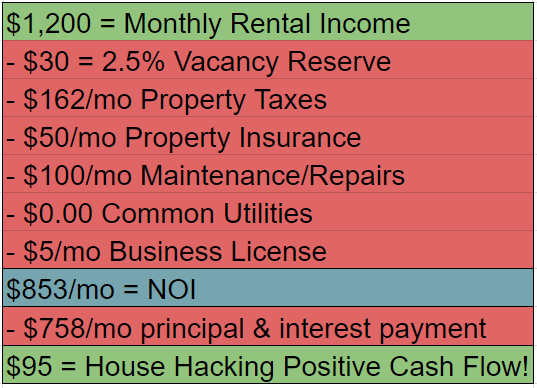
Another popular type of house hacking is converting underutilized space in your home into a rental unit. This could involve finishing a basement, converting a garage, or adding an accessory dwelling unit (ADU) on your property. By creating a separate living space, you can generate rental income without having to share common areas with your tenants. This can be a great option for individuals who value their privacy but still want to take advantage of the benefits of house hacking.
For those looking to scale their real estate investing efforts, purchasing a multi-unit property and living in one unit while renting out the others can be a great option. This allows you to generate multiple streams of rental income while only having to manage one property. While this strategy may require a larger upfront investment, it can provide significant cash flow and equity growth over time.
Benefits of House Hacking

There are numerous benefits to house hacking, both financial and personal. One of the biggest benefits is the ability to reduce or eliminate your housing expenses. By renting out parts of your property, you can cover your mortgage, property taxes, insurance, and other expenses, potentially allowing you to live for free or even make a profit. This can free up cash flow to invest in other income-producing assets or save for future goals.
House hacking also provides an opportunity to build equity in real estate. As you pay down your mortgage and property values appreciate, you can build wealth over time. This can be a great way to create long-term financial security and generate passive income for retirement. Additionally, real estate has historically been a solid investment, with the potential for capital appreciation and tax benefits.
In addition to financial benefits, house hacking can also provide a sense of community and security. By living in close proximity to your tenants, you can develop relationships and provide support to each other. This can be particularly valuable for single individuals or families who may benefit from having built-in support systems. Additionally, having tenants on the property can provide an added layer of security, as they can help deter potential burglars or vandals.
How to Get Started with House Hacking
Getting started with house hacking is relatively simple, but it does require careful planning and consideration. The first step is to determine your financial goals and living situation. Are you looking to reduce your housing expenses, build wealth through real estate, or generate passive income for retirement? Do you have extra space in your current residence, or are you willing to purchase a multi-unit property?
Once you’ve identified your goals and living situation, the next step is to research the local real estate market and financing options. Look for properties that meet your criteria, such as proximity to amenities, rental potential, and affordability. Consider working with a real estate agent or property manager who can help you find suitable properties and navigate the buying process. You may also want to consult with a financial advisor or mortgage broker to explore financing options and calculate potential returns.
After purchasing a property, the next step is to prepare it for rental. This may involve making minor renovations or repairs, creating separate living spaces, and setting up rental agreements with tenants. Consider hiring a property manager to help with tenant screening, rent collection, and property maintenance. Finally, be prepared to manage your property as a business, keeping track of expenses, income, and tax implications.
Common Mistakes to Avoid with House Hacking
While house hacking can be a great way to reduce expenses and generate income, there are several common mistakes to avoid. One of the biggest mistakes is underestimating expenses and overestimating rental income. Make sure to account for all costs, including mortgage payments, property taxes, insurance, maintenance, and vacancies. It’s also important to research rental rates in your area and adjust your expectations accordingly.
Another common mistake is not properly screening tenants. While it may be tempting to rent to friends or family members, it’s important to treat tenants as business relationships. Conduct thorough background and credit checks, verify income and employment, and set clear rental agreements. This can help prevent potential issues with late payments, damages, or evictions.
Lastly, it’s important to have a contingency plan in place for unexpected expenses or vacancies. Make sure to set aside a portion of your rental income for emergencies, repairs, and vacancies. Consider purchasing landlord insurance to protect against liability and property damage. By planning ahead and being proactive, you can minimize risks and maximize returns with house hacking.
Case Studies: Real-Life Examples of Successful House Hacking
To illustrate the benefits and potential of house hacking, let’s look at a few real-life examples of successful house hackers.
Case Study #1: Sarah and John purchased a duplex in a popular urban neighborhood and rented out one unit while living in the other. By using rental income to cover their mortgage, they were able to live for free and save money for future investments. They eventually purchased additional rental properties and created a portfolio of income-producing assets.
Case Study #2: Mike converted his basement into a separate rental unit and rented it out to a long-term tenant. By generating rental income, he was able to pay off his mortgage early and save for retirement. He eventually sold the property at a significant profit and used the proceeds to purchase a larger investment property.
Case Study #3: Emily purchased a multi-unit property with three rental units and lived in one unit while renting out the others. By managing the property herself and carefully screening tenants, she was able to generate significant cash flow and build equity over time. She eventually sold the property and used the proceeds to purchase a vacation home.
Conclusion
In conclusion, house hacking is a powerful real estate investment strategy that can help you reduce expenses, build wealth, and generate passive income. By renting out parts of your property, you can cover your mortgage and other expenses, potentially living for free or even making a profit. House hacking is a flexible strategy that can be tailored to your personal financial goals and living situation. Whether you’re a young professional looking to reduce expenses, a family looking to build wealth, or a retiree looking for supplemental income, house hacking can be a great option.
To get started with house hacking, determine your financial goals, research the local real estate market, explore financing options, and prepare your property for rental. Avoid common mistakes such as underestimating expenses, not properly screening tenants, and not having a contingency plan in place. Look to real-life examples of successful house hackers for inspiration and guidance. With careful planning and execution, house hacking can be a rewarding and profitable investment strategy.