
The Frugal FIRE Lifestyle: Achieving Financial Independence on a Budget
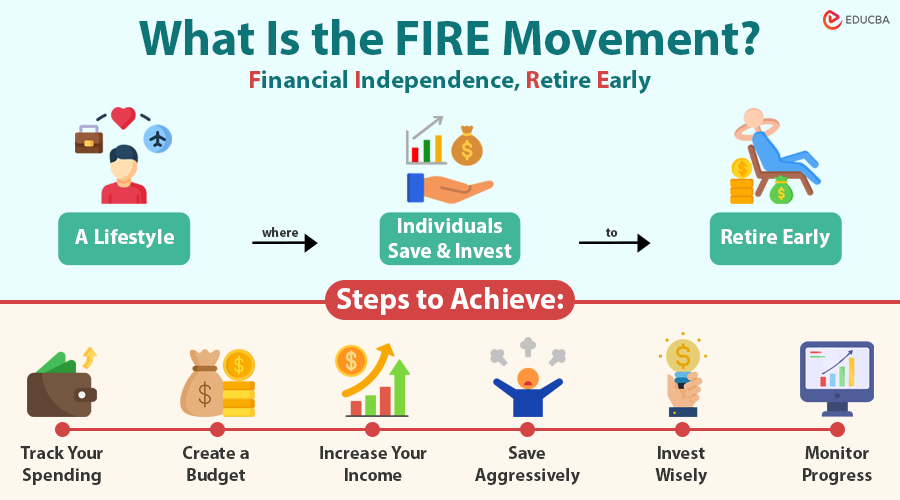
The concept of Financial Independence Retire Early (FIRE) has gained popularity in recent years as more people seek to break free from the traditional 9-5 work grind and achieve financial freedom at a younger age. While the idea of retiring early may seem like a lofty goal, it is definitely achievable with the right mindset and lifestyle choices. One key component of the FIRE movement is living frugally, or being mindful of how you spend your money in order to save and invest for the future. In this article, we will explore the frugal FIRE lifestyle and how you can adopt it to reach your own financial independence goals.
1. Budgeting and Tracking Expenses
One of the first steps to living a frugal FIRE lifestyle is to create a budget and track your expenses. This will help you understand where your money is going each month and identify areas where you can cut back. Start by listing all of your monthly expenses, including fixed costs like rent or mortgage payments, utilities, and groceries, as well as discretionary spending like dining out or shopping. Once you have a clear picture of your expenses, look for opportunities to reduce or eliminate unnecessary costs. This could involve cutting back on dining out, shopping for deals on groceries, or finding ways to reduce your utility bills.
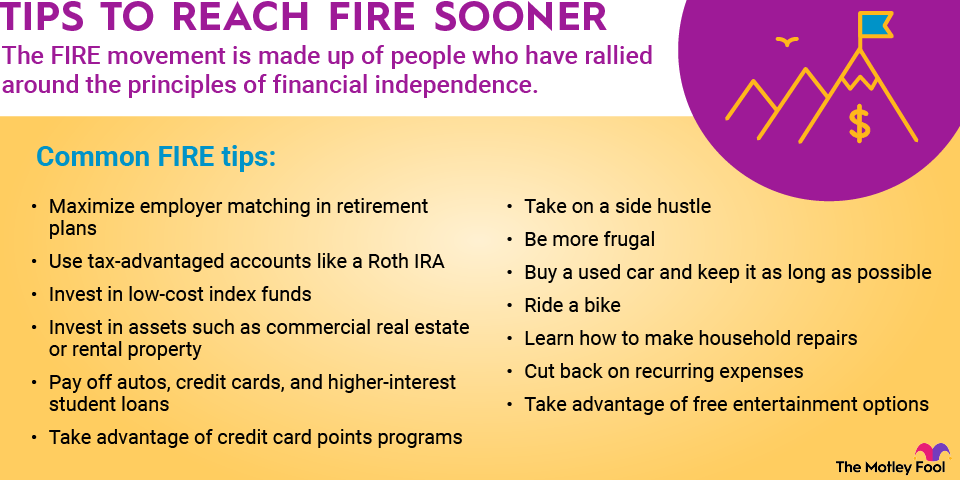
Another important aspect of budgeting is setting financial goals. Whether it’s saving for retirement, building an emergency fund, or paying off debt, having clear goals will help you stay motivated and on track with your spending. Consider using a budgeting app or spreadsheet to track your progress and make adjustments as needed. By being intentional with your spending and saving habits, you can make significant progress towards financial independence.
2. Embracing Minimalism
Living a frugal FIRE lifestyle often goes hand in hand with embracing minimalism. Minimalism is the idea of living with less, focusing on what truly brings you joy and fulfillment, and decluttering your life of unnecessary possessions. By simplifying your belongings and lifestyle, you can save money, reduce stress, and free up time and energy for the things that matter most to you. Start by decluttering your home and getting rid of items that no longer serve a purpose or bring you happiness. Consider selling or donating these items to create extra cash or help others in need.
In addition to decluttering, practicing mindful consumption is another key aspect of minimalism. Before making a purchase, ask yourself if the item is truly necessary and if it aligns with your values and goals. Avoid impulse buys and focus on quality over quantity when it comes to acquiring new possessions. By being intentional with your purchases and living a simpler, more minimalist lifestyle, you can reduce your expenses, save money, and live a more fulfilling life.
3. Cooking at Home and Meal Planning
One of the biggest expenses for many people is dining out or ordering takeout regularly. By cooking at home and meal planning, you can save a significant amount of money and eat healthier at the same time. Start by creating a weekly meal plan and shopping list based on your budget and dietary preferences. Look for recipes that use affordable and versatile ingredients, and consider batch cooking or meal prepping to save time and energy during the week. By planning ahead and cooking at home, you can avoid the temptation of dining out and save money in the process.
In addition to saving money, cooking at home has other benefits as well. You can control the ingredients and portion sizes in your meals, leading to healthier eating habits and potential weight loss. Cooking at home can also be a fun and creative activity, allowing you to experiment with new recipes and flavors. By making cooking at home a regular part of your routine, you can improve your culinary skills, save money, and live a healthier lifestyle.
4. DIY Projects and Repairs
Another way to save money and embrace the frugal FIRE lifestyle is to do it yourself (DIY) projects and repairs around your home. Instead of hiring professionals for every repair or improvement, consider learning how to tackle these tasks on your own. There are many resources available online, such as tutorials, videos, and forums, that can help you learn new skills and gain confidence in DIY projects. Start with simple tasks like painting, gardening, or minor repairs, and gradually work your way up to more advanced projects.
By doing DIY projects and repairs yourself, you can save money on labor costs and materials, as well as gain a sense of accomplishment and independence. Not only will you save money in the short term, but you will also develop valuable skills that can benefit you in the long run. Whether it’s fixing a leaky faucet, building a piece of furniture, or renovating a room in your home, taking on DIY projects can help you stay frugal and self-sufficient on your journey to financial independence.
5. Investing Wisely
Investing is a key component of the FIRE movement, as it allows you to grow your wealth and generate passive income over time. When it comes to investing, it’s important to do your research and choose the right investment vehicles based on your risk tolerance, financial goals, and time horizon. Consider diversifying your investments across different asset classes, such as stocks, bonds, real estate, and index funds, to reduce risk and maximize returns. Consult with a financial advisor if needed to help you create a well-rounded investment portfolio.
In addition to traditional investments, consider alternative ways to grow your money, such as real estate crowdfunding, peer-to-peer lending, or starting a side business. These options can provide additional income streams and diversify your investment portfolio. Remember to stay informed about market trends and economic conditions, and adjust your investment strategy as needed to stay on track with your financial goals. By investing wisely and consistently, you can build wealth over time and work towards achieving financial independence.
6. Finding Affordable Entertainment and Activities
Living a frugal FIRE lifestyle doesn’t mean depriving yourself of fun and entertainment. There are plenty of affordable and enjoyable activities you can do that won’t break the bank. Look for free or low-cost events in your community, such as concerts, festivals, or outdoor movie nights. Take advantage of local parks, hiking trails, and recreational facilities for exercise and relaxation. Consider joining a community group or club based on your interests, such as book clubs, sports teams, or volunteering organizations.
In addition to community events, there are plenty of affordable entertainment options you can enjoy at home. Watch movies or TV shows on streaming services, read books from your local library, or listen to podcasts or music for free. Host potluck dinners or game nights with friends and family to socialize and have fun without spending a lot of money. By finding affordable entertainment and activities that bring you joy and fulfillment, you can live a rich and rewarding life on a budget.
7. Negotiating and Comparison Shopping
Another important aspect of the frugal FIRE lifestyle is being a savvy consumer and getting the best value for your money. This involves negotiating prices, asking for discounts, and comparison shopping to find the best deals on goods and services. Whether you’re shopping for a new car, negotiating rent with your landlord, or haggling for a lower price at a garage sale, don’t be afraid to speak up and advocate for yourself. Many businesses are willing to negotiate or offer discounts to loyal customers or savvy shoppers.
In addition to negotiating, comparison shopping can help you save money on everyday purchases. Before making a major purchase, research different brands, models, or retailers to find the best price and value. Use price comparison websites, coupon apps, and cashback programs to maximize your savings and get the most bang for your buck. By being proactive and strategic with your shopping habits, you can stretch your dollars further and make the most of your budget.
8. Prioritizing Self-Care and Well-Being