
Understanding Your Credit Card Debt
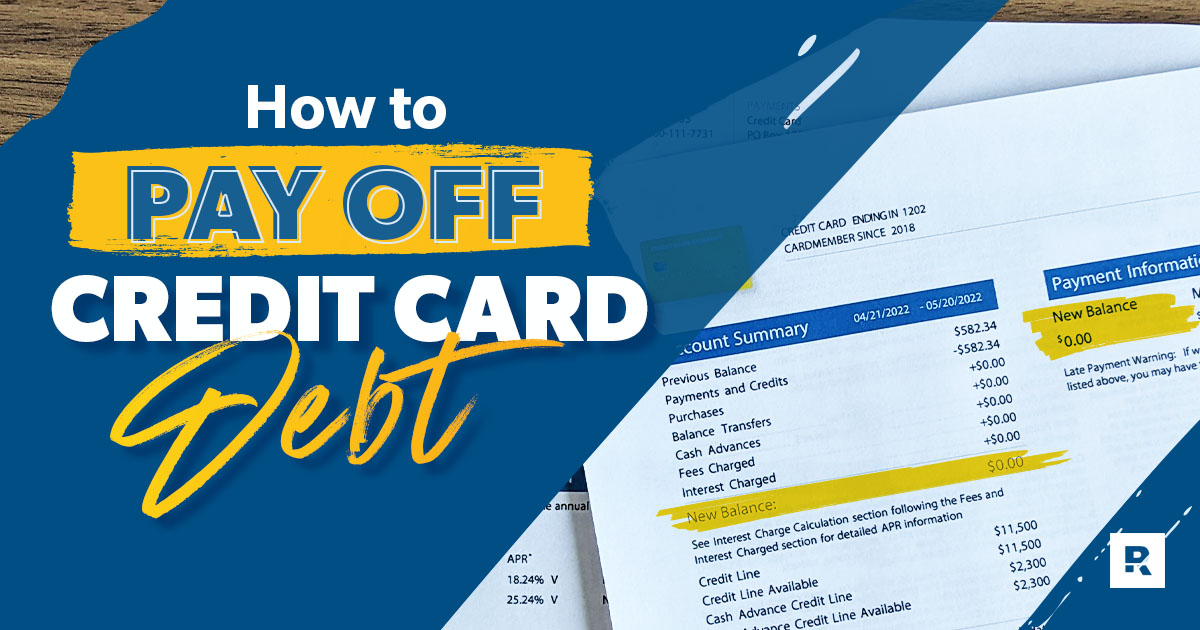
Credit card debt can quickly spiral out of control if not managed properly. Before you can start paying off your credit cards, it’s important to understand the full scope of your debt. Begin by gathering all of your credit card statements and making a list of each card you owe money on, along with the total balance and interest rate for each. This will give you a clear picture of how much you owe and where your money is going each month.
Next, take a look at your budget and determine how much you can realistically afford to put towards paying off your credit card debt each month. It may require making some sacrifices in other areas, but tackling your debt head-on is crucial for your financial well-being.
Finally, consider reaching out to your credit card companies to see if you can negotiate a lower interest rate or set up a payment plan. Many companies are willing to work with you to help you pay off your debt more quickly.
Creating a Repayment Plan
Once you have a clear understanding of your credit card debt, it’s time to create a repayment plan. Start by prioritizing your debts based on the interest rate. Focus on paying off the card with the highest interest rate first, as this will save you money in the long run.
Next, decide on a repayment strategy. The two most common methods are the snowball method, where you pay off the smallest debt first and then move on to the next smallest, and the avalanche method, where you focus on the highest interest rate debt first. Choose the method that works best for your financial situation.
It’s important to set specific goals for paying off your debt, whether it’s paying off a certain amount each month or aiming to be debt-free by a certain date. Having clear goals will help keep you motivated and on track.
Cutting Expenses and Increasing Income

To help speed up the process of paying off your credit cards, consider cutting expenses and increasing your income. Look for areas in your budget where you can reduce spending, such as eating out less, canceling subscription services, or finding cheaper alternatives for everyday expenses.
You can also consider taking on a side hustle or part-time job to bring in extra income. Whether it’s freelancing, tutoring, or driving for a ride-sharing service, any additional income can help you pay off your credit card debt more quickly.
Remember that every little bit counts when it comes to paying off debt. Even small changes in your spending habits or extra income can add up over time and help you reach your financial goals.
Consolidating Debt
If you have multiple credit cards with high balances and interest rates, consolidating your debt may be a good option. This involves taking out a new loan with a lower interest rate to pay off your existing credit card debt. This can make it easier to manage your debt and potentially save you money on interest payments.
There are several options for consolidating debt, including personal loans, balance transfer credit cards, or home equity loans. It’s important to carefully research each option and consider the terms and fees involved before deciding on the best option for your situation.
Consolidating debt can be a helpful tool in paying off credit cards, but it’s important to continue making consistent payments and avoid racking up new debt on your credit cards.
Seeking Professional Help
If you’re struggling to pay off your credit card debt on your own, it may be helpful to seek professional help. Credit counseling agencies can provide guidance on creating a repayment plan, negotiating with creditors, and managing your finances more effectively.
Debt management programs are another option for those with significant credit card debt. These programs involve working with a credit counselor to create a plan for paying off your debt, often with reduced interest rates and monthly payments.
Bankruptcy is a last resort option for those with overwhelming debt that cannot be paid off through other means. However, it’s important to carefully consider the long-term consequences of bankruptcy before pursuing this option.
Staying Motivated and Avoiding Temptation
Paying off credit card debt can be a long and challenging process, but staying motivated is key to reaching your financial goals. Keep track of your progress, celebrate small victories, and remind yourself of the benefits of being debt-free.
Avoiding temptation is also crucial in paying off credit card debt. Cut up your credit cards or keep them in a safe place where you won’t be tempted to use them. Create a budget and stick to it, and avoid unnecessary spending that could derail your progress.
Remember that paying off credit card debt is a marathon, not a sprint. Stay focused on your goals, stay disciplined in your spending habits, and don’t be afraid to ask for help if you need it.
Reviewing Your Progress and Adjusting Your Plan
As you work towards paying off your credit card debt, it’s important to regularly review your progress and make adjustments to your plan as needed. If you find that you’re not making as much progress as you’d like, consider reevaluating your budget, cutting expenses further, or finding ways to increase your income.
If unexpected expenses arise, don’t be discouraged. It’s important to be flexible and adapt your plan as needed to stay on track towards your financial goals. Remember that paying off credit card debt is a journey, and it’s okay to make changes along the way.
Continue to monitor your credit card statements and track your progress towards paying off your debt. Celebrate milestones along the way and stay committed to your repayment plan.
Conclusion
Paying off credit card debt requires discipline, determination, and a solid plan. By understanding your debt, creating a repayment plan, cutting expenses, increasing income, and staying motivated, you can successfully pay off your credit cards and achieve financial freedom. Remember to review your progress regularly, seek professional help if needed, and stay focused on your goals. With dedication and perseverance, you can conquer your credit card debt and pave the way to a more secure financial future.