
How to Save Money on Utility Bills
1. Energy-Efficient Appliances
Investing in energy-efficient appliances can significantly reduce your utility bills. Look for appliances with the Energy Star label, as they are designed to use less energy while still providing top-notch performance. When shopping for new appliances, consider the long-term savings you will see on your energy bills. Additionally, make sure to properly maintain your appliances to ensure they continue to operate efficiently. Regularly clean filters, coils, and vents to prevent dust and dirt buildup that can decrease efficiency.
Another way to save on utility bills is to use your appliances wisely. For example, only run your dishwasher and washing machine when they are full to maximize their efficiency. You can also air dry your clothes instead of using a dryer, which will not only save energy but also extend the life of your clothing. Lastly, consider investing in a smart power strip to reduce standby power consumption from electronics that continue to draw power even when turned off.
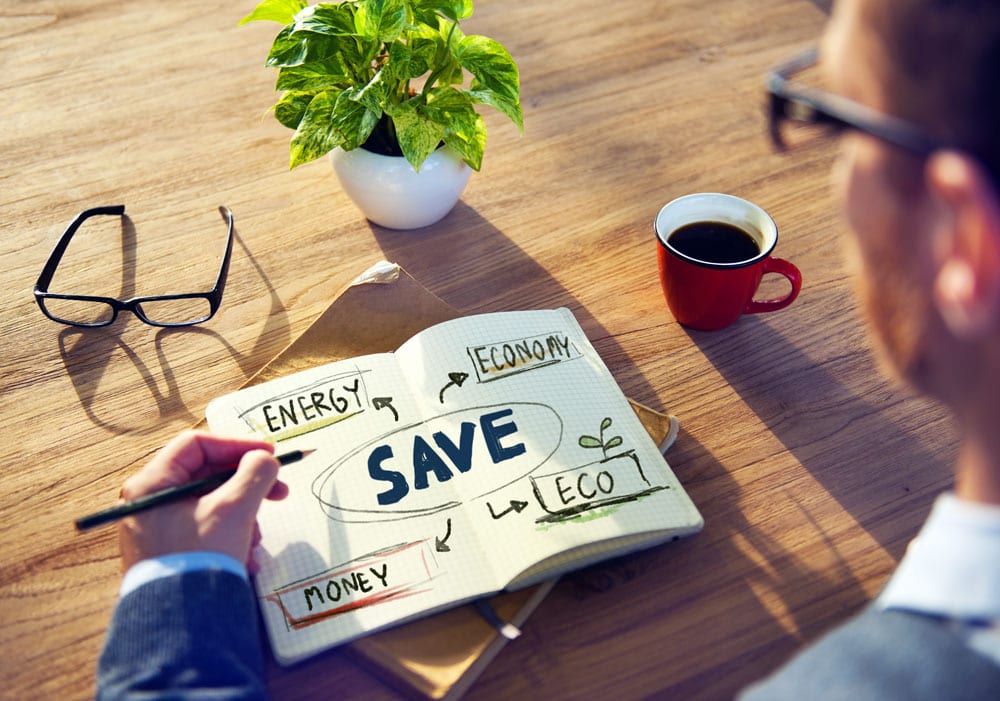
In addition to upgrading your appliances and changing your usage habits, you can also make small changes around your home to save on utility bills. For example, using energy-efficient light bulbs can help reduce your electricity usage. LED bulbs use up to 80% less energy than traditional incandescent bulbs and can last up to 25 times longer. You can also install a programmable thermostat to regulate your heating and cooling systems more efficiently, saving you money on your heating and cooling costs.
2. Proper Insulation and Sealing
One of the most effective ways to save on utility bills is to properly insulate and seal your home. Poor insulation can lead to significant energy loss, causing your heating and cooling systems to work harder and consume more energy. Start by checking your home for drafts around doors and windows. You can use weatherstripping or caulk to seal any gaps and prevent cold air from entering your home during the winter months.
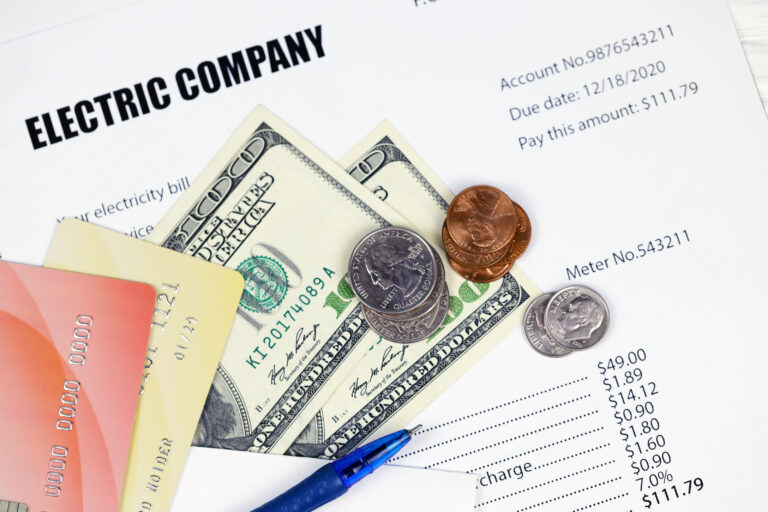
Another area to focus on is your attic, as heat can escape through the roof if it is not properly insulated. Adding insulation to your attic can help regulate your home’s temperature and reduce the workload on your heating and cooling systems. You can also insulate your walls to further improve energy efficiency.
In addition to insulation, you should also consider sealing your ductwork to prevent air leaks. Leaky ducts can waste a significant amount of energy, as heated or cooled air can escape before reaching its intended destination. Sealing ducts can improve the efficiency of your heating and cooling systems, resulting in lower utility bills.
3. Efficient Heating and Cooling

Heating and cooling account for a significant portion of your home’s energy usage, so optimizing these systems can lead to substantial savings on your utility bills. Start by scheduling regular maintenance for your heating and cooling systems to ensure they are operating at peak efficiency. Change air filters regularly to prevent clogs that can decrease airflow and reduce efficiency.
Another way to save on utility bills is to upgrade to a more energy-efficient heating and cooling system. Consider replacing your old furnace or air conditioner with a newer model that has a higher energy efficiency rating. While the upfront cost may be higher, the long-term savings on your utility bills will make the investment worthwhile.
In addition to upgrading your heating and cooling systems, you can also make small changes to reduce your energy usage. For example, adjusting your thermostat by a few degrees can make a significant difference in your energy consumption. You can also use ceiling fans to help circulate air and reduce the workload on your heating and cooling systems.
4. Water-Saving Fixtures
Water heating can account for a significant portion of your utility bills, so installing water-saving fixtures can help you save money. Consider replacing your old showerheads and faucets with low-flow models that use less water without sacrificing performance. You can also install a water-saving toilet that uses less water per flush.
Another way to save on utility bills is to fix any leaks in your plumbing system. A leaky faucet or toilet can waste a significant amount of water, which will drive up your water bill. Regularly check for leaks and make repairs promptly to prevent water waste.
In addition to upgrading your fixtures and fixing leaks, you can also adjust your water usage habits to save money. For example, taking shorter showers and only running your dishwasher and washing machine when they are full can help reduce your water consumption. You can also collect rainwater to water your plants instead of using a hose, which will save you money on your water bill.
5. Renewable Energy Sources
Investing in renewable energy sources can help you save money on utility bills while reducing your carbon footprint. Consider installing solar panels on your roof to generate electricity from the sun. While the upfront cost may be high, the long-term savings on your utility bills can make solar panels a worthwhile investment. You may also be eligible for tax credits or rebates that can help offset the cost of installing solar panels.
Another renewable energy source to consider is geothermal heating and cooling. Geothermal systems use the earth’s natural heat to regulate your home’s temperature, reducing your reliance on traditional heating and cooling systems. While the initial cost of installing a geothermal system may be high, the long-term savings on your utility bills can make it a cost-effective option.
In addition to solar panels and geothermal systems, you can also consider installing a wind turbine on your property to generate electricity. Wind turbines can help offset your electricity usage, reducing your reliance on the grid and saving you money on your utility bills. Before investing in renewable energy sources, make sure to research the options available to determine the best fit for your home and budget.
6. Energy Audit
An energy audit can help you identify areas in your home where energy is being wasted, allowing you to make informed decisions on how to save money on utility bills. You can conduct a DIY energy audit by inspecting your home for drafts, checking your insulation, and monitoring your energy usage. Alternatively, you can hire a professional to conduct a thorough energy audit that will provide you with detailed recommendations for improving your home’s energy efficiency.
One of the key benefits of an energy audit is that it can help you prioritize energy-saving upgrades based on their potential for savings. For example, if the audit reveals that your home is poorly insulated, you can focus on improving your insulation to reduce energy loss and lower your utility bills. If the audit identifies leaks in your ductwork, you can seal the ducts to improve the efficiency of your heating and cooling systems.
In addition to identifying energy-saving opportunities, an energy audit can also help you track your progress over time. You can compare your utility bills before and after making energy-saving upgrades to see the impact on your energy usage and costs. By conducting regular energy audits, you can continuously improve your home’s energy efficiency and save money on utility bills.
7. Behavioral Changes
Making simple changes to your daily habits can help you save money on utility bills. For example, turning off lights when they are not in use, unplugging electronics when they are not being used, and adjusting your thermostat can all contribute to lower energy usage. By being mindful of your energy consumption, you can reduce your utility bills without sacrificing comfort.
Another way to save on utility bills is to use natural light whenever possible. Open curtains and blinds during the day to let in natural sunlight, reducing the need for artificial lighting. You can also take advantage of natural ventilation by opening windows to cool your home during the summer months, reducing your reliance on air conditioning.
In addition to making changes to your daily habits, you can also encourage your family members to be more energy-conscious. Create a household energy-saving plan that outlines ways to reduce energy usage, such as turning off lights and electronics when not in use. By working together to save energy, you can see significant savings on your utility bills.
8. Government Incentives
Many government programs offer incentives for energy-saving upgrades, making it easier for homeowners to save money on utility bills. For example, you may be eligible for tax credits or rebates for installing energy-efficient appliances, upgrading your insulation, or installing renewable energy sources. These incentives can help offset the upfront costs of energy-saving upgrades, making them more affordable for homeowners.
In addition to tax credits and rebates, some utility companies offer energy-saving programs that provide discounts or incentives for reducing your energy usage. For example, you may be able to participate in a peak-demand program that offers lower rates for using energy during off-peak hours. By taking advantage of these programs, you can save money on your utility bills while reducing your overall energy consumption.
Before making energy-saving upgrades, research the incentives available in your area to determine the best options for saving money on utility bills. By taking advantage of government programs and utility incentives, you can make cost-effective upgrades that will help you save money in the long run.
Conclusion
Saving money on utility bills is achievable with a combination of energy-efficient upgrades, proper maintenance, and changes to your daily habits. By investing in energy-efficient appliances, properly insulating and sealing your home, optimizing your heating and cooling systems, and installing water-saving fixtures, you can reduce your energy usage and lower your utility bills. Additionally, consider investing in renewable energy sources, conducting an energy audit, making behavioral changes, and taking advantage of government incentives to maximize your savings. With these tips, you can make a positive impact on both your wallet and the environment.