
Understanding the Basics of Budgeting
As a high schooler, it’s important to start developing good financial habits early on in life. One of the most essential skills to learn is budgeting. Budgeting involves tracking your income and expenses, setting financial goals, and creating a plan to achieve those goals. By creating a budget, you can make sure you are living within your means and saving for the future.
To start budgeting, begin by tracking all of your sources of income, such as allowances, part-time job earnings, or any other money you receive. Next, make a list of all your expenses, including things like school supplies, transportation costs, and entertainment expenses. Once you have a clear picture of your income and expenses, you can begin to allocate your money towards different categories, such as savings, spending, and emergency funds.
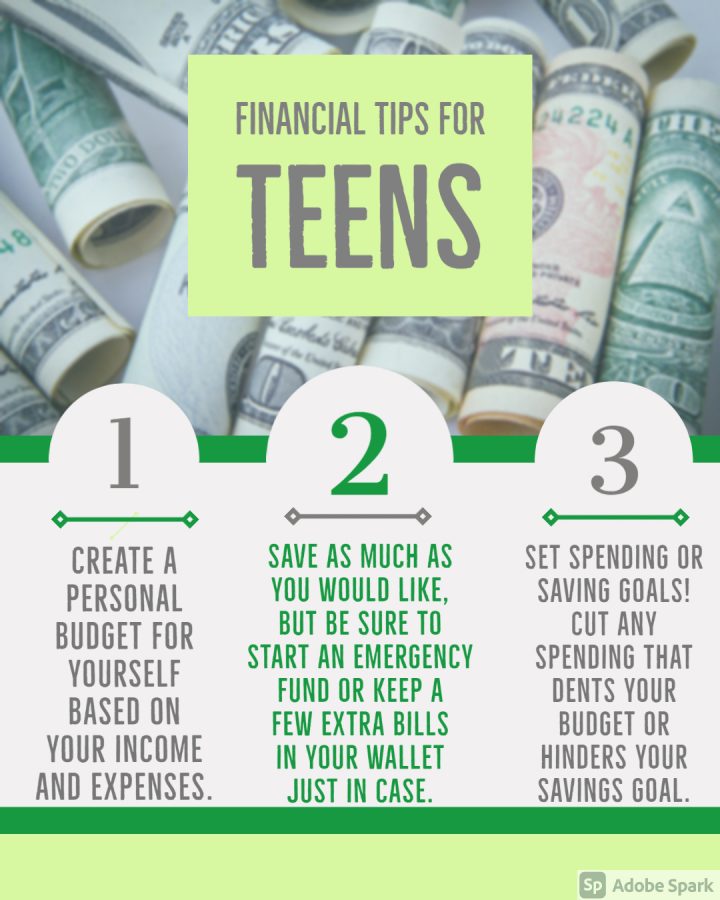
Budgeting can help you avoid overspending, build good financial habits, and achieve your financial goals. By creating a budget and sticking to it, you can set yourself up for financial success in the future.
Saving for the Future
Another important aspect of personal finance for high schoolers is saving for the future. While it may seem like retirement is a long way off, it’s never too early to start saving for the future. By starting to save at a young age, you can take advantage of compound interest and grow your savings over time.
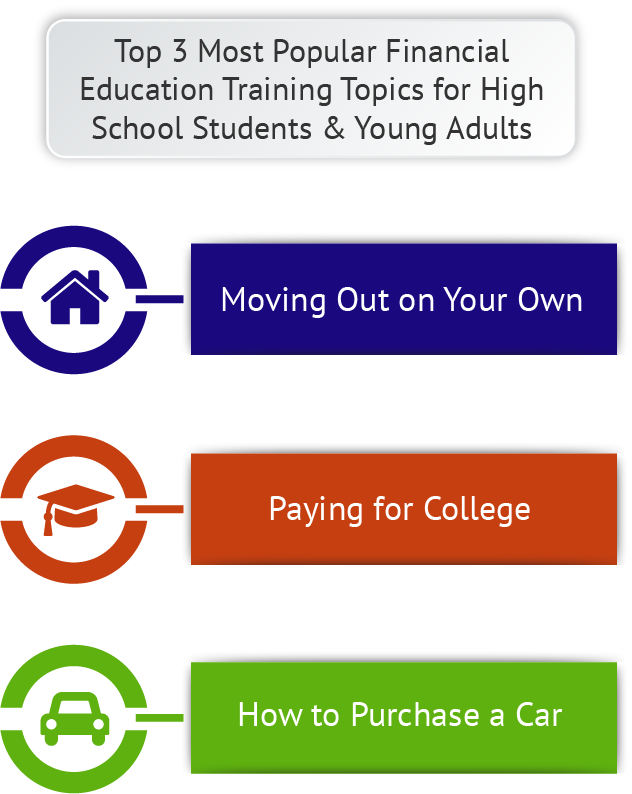
One way to start saving for the future is to open a savings account. This can be a great place to store any money you want to set aside for the future, whether it’s for college expenses, a car, or even retirement. Another option is to consider investing your money in stocks, bonds, or mutual funds. While investing does come with some risk, it also has the potential for higher returns than a traditional savings account.
By starting to save for the future now, you can build a solid financial foundation and set yourself up for success later in life. Whether you’re saving for a big purchase or for retirement, starting early can help you reach your financial goals.
Avoiding Debt
One common pitfall that many high schoolers fall into is accumulating debt. Whether it’s from credit cards, student loans, or other sources, debt can quickly spiral out of control and lead to financial stress. To avoid falling into debt, it’s important to be mindful of your spending habits and avoid living beyond your means.
One way to avoid debt is to only use credit cards responsibly. While credit cards can be a useful tool for building credit and making purchases, they can also lead to debt if not used wisely. Be sure to only charge what you can afford to pay off in full each month to avoid accruing interest and debt.
Additionally, it’s important to be mindful of student loans and other forms of debt. While taking out loans for higher education can be a smart investment in your future, it’s important to borrow responsibly and only take out what you need. By being mindful of your spending and avoiding unnecessary debt, you can set yourself up for financial success in the long run.
Setting Financial Goals
Setting financial goals is an important part of personal finance for high schoolers. By setting clear goals for your money, you can stay focused and motivated to achieve them. Whether your goal is to save for college, buy a car, or travel the world, having a plan in place can help you reach your goals faster.
To set financial goals, start by thinking about what you want to achieve with your money. Do you want to save a certain amount of money by the end of the year? Do you want to pay off your credit card debt? Once you have a clear goal in mind, break it down into smaller, achievable steps. This can help you stay motivated and track your progress towards your goal.
Setting financial goals can help you stay focused on your money and make smart financial decisions. By having a clear plan in place, you can work towards achieving your goals and set yourself up for financial success in the future.
Understanding the Importance of Credit
Credit is an important aspect of personal finance for high schoolers to understand. Your credit score is a number that represents your creditworthiness and is used by lenders to determine whether to lend you money and at what interest rate. Having a good credit score can help you qualify for loans, credit cards, and even lower insurance premiums.
To build a good credit score, it’s important to use credit responsibly. This means paying your bills on time, keeping your credit card balances low, and avoiding opening too many new accounts at once. By using credit wisely, you can build a solid credit history and improve your credit score over time.
Understanding the importance of credit can help you make smart financial decisions and build a strong financial foundation. By managing your credit wisely and building a good credit score, you can set yourself up for financial success in the future.
Investing for the Future
While saving is important, investing can also play a key role in building wealth for the future. Investing involves putting your money into assets that have the potential to grow over time, such as stocks, bonds, or real estate. By investing your money wisely, you can take advantage of compound interest and potentially earn higher returns than you would with a traditional savings account.
One way to start investing is to open a brokerage account and begin buying stocks or mutual funds. You can also consider investing in a retirement account, such as a 401(k) or IRA, which can offer tax advantages and help you save for retirement. By starting to invest early, you can take advantage of compounding returns and grow your wealth over time.
While investing does come with some risk, it can also offer the potential for higher returns than a traditional savings account. By investing for the future, you can build wealth and achieve your financial goals over time.
Learning to Live Frugally
Living frugally is an important skill for high schoolers to learn, as it can help you stretch your money further and achieve your financial goals. Frugality involves being mindful of your spending, finding ways to save money, and making smart financial decisions. By living frugally, you can make the most of your money and achieve your financial goals faster.
One way to live frugally is to create a budget and track your expenses. By knowing where your money is going, you can identify areas where you can cut back and save money. You can also look for ways to save money on everyday expenses, such as cooking at home, shopping for deals, and using coupons.
Living frugally doesn’t mean you have to sacrifice your quality of life. By being mindful of your spending and making smart financial decisions, you can live well on a budget and achieve your financial goals.
Seeking Financial Education
One of the best ways to set yourself up for financial success as a high schooler is to seek out financial education. Whether it’s through books, online resources, or classes at school, learning about personal finance can help you build a strong financial foundation and make smart financial decisions. By educating yourself about money management, you can avoid common pitfalls and set yourself up for success in the future.
There are many resources available to help you learn about personal finance, from books like Rich Dad, Poor Dad to online courses and workshops. You can also consider taking a personal finance class at school or seeking out a mentor who can offer guidance and support. By investing in your financial education, you can gain the knowledge and skills you need to make smart financial decisions and achieve your financial goals.
Seeking financial education is an important step towards building a solid financial foundation and setting yourself up for success in the future. By learning about personal finance and making smart financial decisions, you can achieve your financial goals and build wealth over time.
Conclusion
In conclusion, personal finance is an important skill for high schoolers to learn, as it can help you build a strong financial foundation and achieve your financial goals. By understanding the basics of budgeting, saving for the future, avoiding debt, setting financial goals, and investing wisely, you can set yourself up for financial success in the future. Additionally, by learning to live frugally and seeking out financial education, you can make smart financial decisions and build wealth over time. By taking control of your finances now, you can set yourself up for a secure and successful financial future.