
1. Start Early and Save Consistently
Saving for retirement is a long-term commitment, and the earlier you start, the better off you’ll be in the long run. By starting to save for retirement in your 20s or 30s, you can take advantage of compound interest and maximize your savings potential. Consistency is key when it comes to saving for retirement, so make sure to set up automatic contributions to your retirement accounts each month.
One way to ensure you’re saving consistently is to set a specific savings goal for retirement. Calculate how much you’ll need to live comfortably in retirement, taking into account factors like inflation and healthcare costs. Then, break down that goal into smaller, more manageable milestones. By setting specific savings targets, you can track your progress and stay motivated to save for retirement.
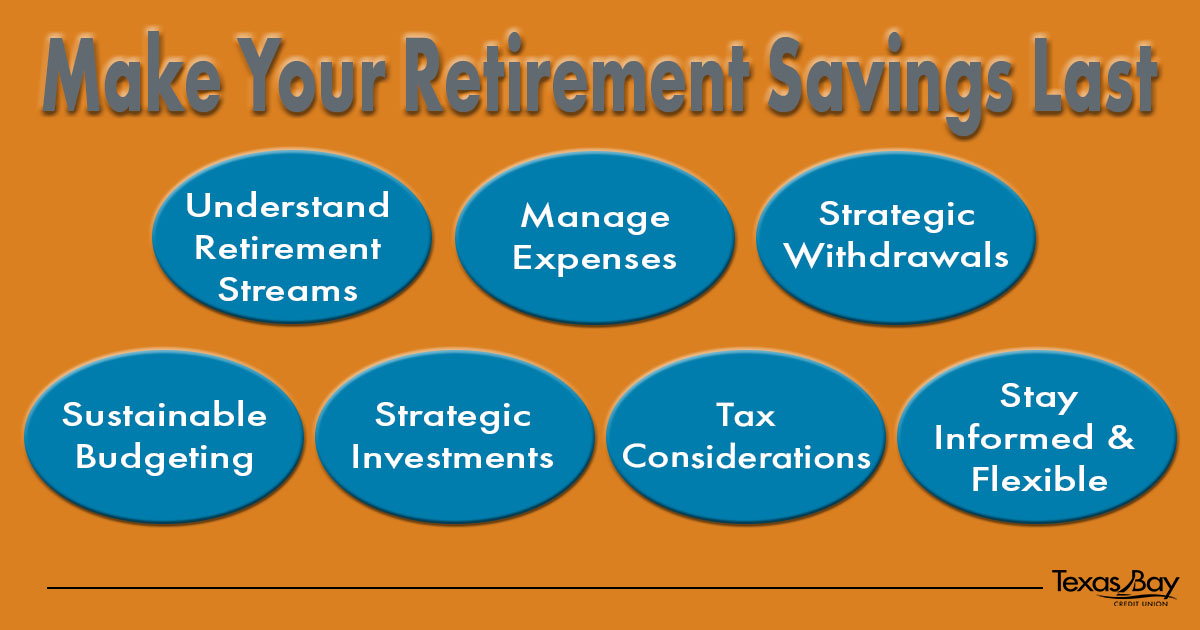
Another tip for saving consistently is to prioritize your retirement savings over other expenses. While it’s important to pay off debt and cover your everyday expenses, make sure to allocate a portion of your income to retirement savings each month. Consider cutting back on non-essential expenses or finding ways to increase your income to boost your retirement savings.
2. Take Advantage of Employer-Sponsored Retirement Plans
Many employers offer retirement plans, such as 401(k) or 403(b) plans, to help their employees save for retirement. These plans often come with valuable benefits, such as employer matching contributions or tax advantages. If your employer offers a retirement plan, make sure to take full advantage of it by contributing as much as you can afford.
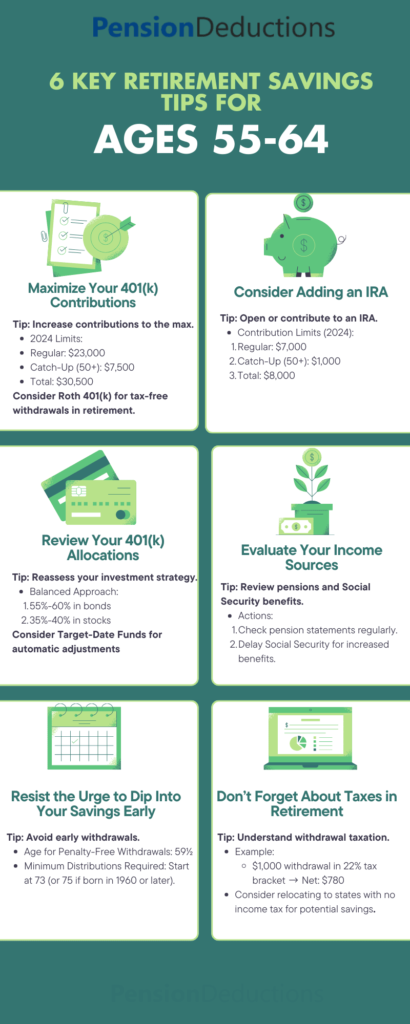
One of the most important benefits of employer-sponsored retirement plans is employer matching contributions. If your employer offers a matching contribution, make sure to contribute enough to receive the full match. This is essentially free money that can help boost your retirement savings significantly over time.
Another advantage of employer-sponsored retirement plans is the tax benefits they offer. Contributions to traditional 401(k) or 403(b) plans are made on a pre-tax basis, which can lower your taxable income and reduce your tax bill. Roth 401(k) or 403(b) plans offer tax-free withdrawals in retirement, providing additional tax benefits. Take advantage of these tax advantages to maximize your retirement savings potential.
3. Diversify Your Retirement Portfolio
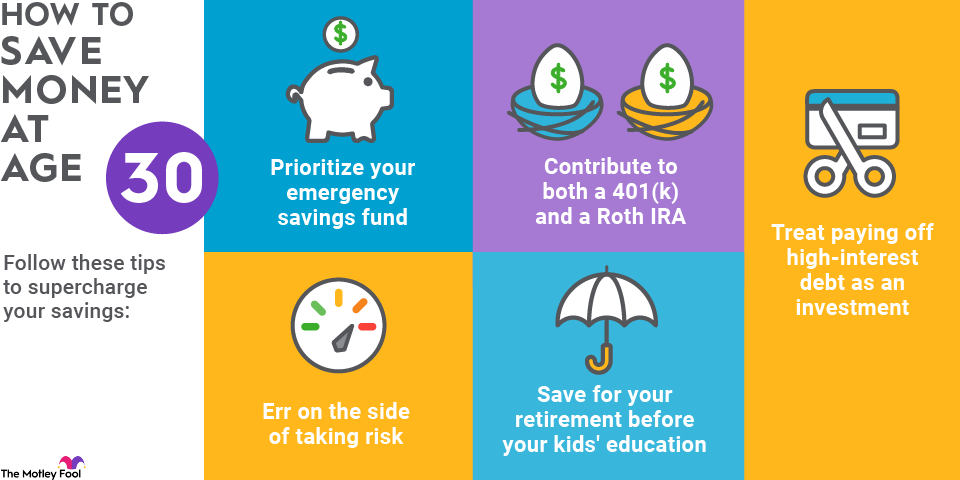
Diversification is key to building a successful retirement portfolio that can weather market fluctuations and provide stable returns over time. When it comes to investing for retirement, it’s important to spread your investments across different asset classes, such as stocks, bonds, and real estate. This can help reduce risk and maximize returns.
One way to diversify your retirement portfolio is to invest in a mix of stocks and bonds. Stocks tend to offer higher returns but come with greater volatility, while bonds provide steady income and stability. By combining stocks and bonds in your retirement portfolio, you can benefit from the growth potential of stocks while mitigating risk with bonds.

Another way to diversify your retirement portfolio is to invest in different sectors and industries. By spreading your investments across different sectors, such as technology, healthcare, and consumer goods, you can reduce the risk of being overly exposed to a single sector. This can help protect your retirement savings from sector-specific risks and market downturns.
4. Minimize Investment Fees and Expenses
When it comes to saving for retirement, every dollar counts, so it’s important to minimize investment fees and expenses that can eat into your returns over time. One way to reduce investment fees is to invest in low-cost index funds or exchange-traded funds (ETFs) that track a broad market index, such as the S&P 500. These funds typically have lower fees than actively managed mutual funds and can help boost your retirement savings.
Another way to minimize investment fees is to be mindful of trading costs and taxes. Frequent trading can lead to higher transaction costs and capital gains taxes, which can erode your investment returns. Consider a buy-and-hold strategy for your retirement portfolio to avoid unnecessary trading expenses and taxes.
It’s also important to be aware of hidden fees and expenses in your retirement accounts. Some retirement plans may charge administrative fees, investment management fees, or expense ratios that can impact your returns. Review your retirement account statements regularly and look for ways to reduce or eliminate unnecessary fees to maximize your retirement savings potential.
5. Consider Delaying Social Security Benefits
Social Security benefits can be a valuable source of income in retirement, but you may be able to maximize your benefits by delaying your claim. While you can start claiming Social Security benefits as early as age 62, your benefit amount will be reduced if you claim before your full retirement age (FRA). By waiting to claim benefits until after your FRA, you can increase your benefit amount by up to 8% per year until age 70.
Delaying Social Security benefits can be especially beneficial for those who expect to live longer in retirement or who have other sources of income to rely on in the meantime. By waiting to claim benefits, you can increase your monthly benefit amount and potentially receive higher total benefits over your lifetime.
Another advantage of delaying Social Security benefits is the potential for spousal or survivor benefits. Spouses may be eligible for spousal benefits based on their partner’s earnings record, while survivors may be eligible for survivor benefits if their partner passes away. By delaying your own benefits, you may be able to maximize spousal or survivor benefits for your loved ones.
6. Rebalance Your Retirement Portfolio Regularly
Over time, the value of your investments may fluctuate, causing your asset allocation to drift from your target mix. To maintain a balanced and diversified retirement portfolio, it’s important to rebalance your investments regularly. Rebalancing involves selling investments that have performed well and buying investments that have underperformed to bring your portfolio back in line with your target asset allocation.
One way to rebalance your retirement portfolio is to set a specific time frame, such as annually or semi-annually, to review your investments and make any necessary adjustments. Consider setting calendar reminders or scheduling regular check-ins with your financial advisor to ensure you stay on track with your investment strategy.
Another approach to rebalancing your retirement portfolio is to establish tolerance bands around your target asset allocation. If your investments drift beyond these bands, trigger automatic rebalancing to bring your portfolio back in line. This can help you avoid making emotional investment decisions based on short-term market movements and stay disciplined with your long-term investment strategy.
7. Plan for Healthcare Costs in Retirement
One of the biggest expenses in retirement is healthcare costs, which can eat into your retirement savings if you’re not prepared. To protect your retirement savings from unexpected medical expenses, it’s important to plan ahead for healthcare costs in retirement. Consider factors like Medicare coverage, long-term care insurance, and out-of-pocket expenses when estimating your healthcare costs in retirement.
Medicare is a federal health insurance program for individuals aged 65 and older, but it may not cover all of your healthcare expenses in retirement. To supplement Medicare coverage, consider purchasing supplemental insurance, such as a Medigap policy or Medicare Advantage plan, to fill in the gaps. Review your healthcare options and compare costs to find the right coverage for your needs.
Long-term care expenses, such as nursing home care or in-home care, can be a significant financial burden in retirement. To protect your retirement savings from long-term care costs, consider purchasing long-term care insurance. This type of insurance can help cover the costs of long-term care services and provide financial security for you and your loved ones.
8. Consult with a Financial Advisor for Retirement Planning
Retirement planning can be complex and overwhelming, especially if you’re not familiar with investing or financial planning. To get personalized guidance and advice for your retirement savings goals, consider consulting with a financial advisor. A financial advisor can help you create a retirement plan tailored to your needs, risk tolerance, and financial goals.
One of the benefits of working with a financial advisor is their expertise and knowledge of retirement planning strategies. An advisor can help you assess your current financial situation, set realistic savings goals, and develop an investment strategy that aligns with your retirement timeline. They can also provide ongoing support and guidance to help you stay on track with your retirement savings plan.
Another advantage of working with a financial advisor is their access to professional resources and tools that can help you make informed decisions about your retirement savings. Advisors have access to sophisticated financial planning software, market research, and investment analysis tools that can help optimize your retirement portfolio and maximize your savings potential. By leveraging these resources, you can make more informed decisions about your retirement planning strategy.
Conclusion
In conclusion, saving for retirement is a lifelong journey that requires careful planning, discipline, and commitment. By starting early, saving consistently, and taking advantage of employer-sponsored retirement plans, you can build a solid foundation for your retirement savings. Diversifying your retirement portfolio, minimizing investment fees, and rebalancing your investments regularly can help maximize your returns and protect your savings from market volatility.
Delaying Social Security benefits, planning for healthcare costs, and consulting with a financial advisor are important steps to consider as you prepare for retirement. By following these retirement savings tips and staying proactive with your financial planning, you can ensure a comfortable and secure retirement lifestyle. Remember, it’s never too early or too late to start saving for retirement, so take action today to secure your financial future.