
Introduction to Deductible Business Expenses
When running a business, it’s essential to understand the concept of deductible business expenses. These are costs that a business can deduct from its taxable income, ultimately reducing the amount of tax it has to pay. Deductible expenses can include a wide range of items, from office supplies to business travel to advertising costs. Knowing what expenses are deductible can help businesses save money and improve their bottom line.
One important thing to keep in mind when it comes to deductible business expenses is that they must be both ordinary and necessary for your specific trade or business. This means that the expenses should be common and accepted in your industry, as well as helpful and appropriate for your business operations. It’s also crucial to keep accurate records of all your business expenses to ensure that you can prove their legitimacy in the event of an audit.
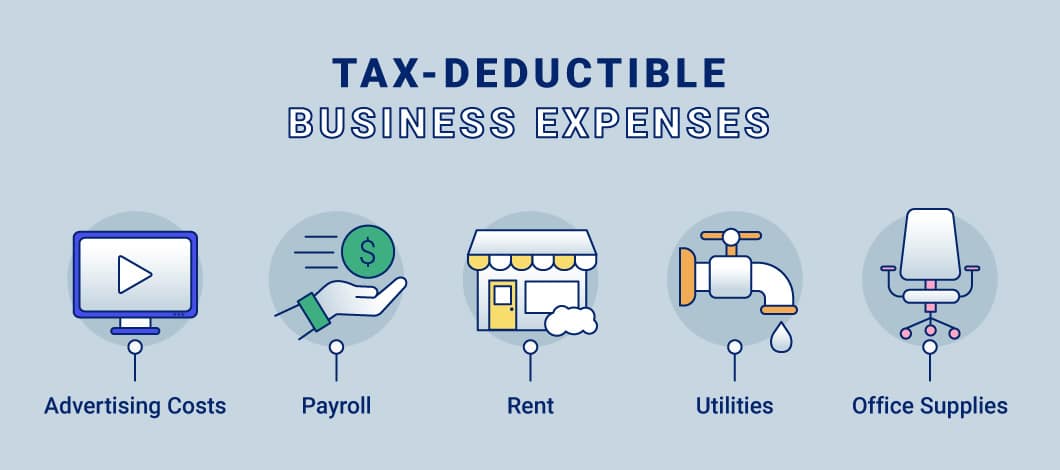
In this article, we will explore the different types of deductible business expenses that you may be able to claim on your tax return. By understanding these expenses and how they can benefit your business, you can make informed decisions that will help you save money and maximize your tax deductions.
Office Supplies and Equipment
One of the most common deductible business expenses is office supplies and equipment. This category includes items such as pens, paper, printer ink, and other materials that are necessary for running your business. Additionally, any equipment that you purchase for your office, such as computers, printers, and furniture, can also be deducted as a business expense.
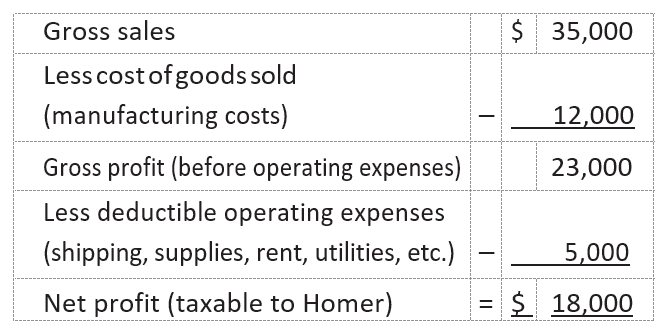
When claiming office supplies and equipment as deductible expenses, it’s essential to keep detailed records of your purchases. This includes saving receipts and invoices, as well as tracking the date and purpose of each expense. By maintaining accurate records, you can easily prove the legitimacy of these deductions in the event of an audit.
It’s also important to note that certain office supplies and equipment may need to be depreciated over time rather than deducted all at once. Depreciation allows you to spread out the cost of an asset over its useful life, reducing the impact on your taxable income each year. Be sure to consult with a tax professional to determine the best way to deduct your office supplies and equipment expenses for maximum tax savings.
Business Travel Expenses

Another common deductible business expense is business travel. This can include costs such as airfare, hotel accommodations, rental cars, and meals while away on business trips. If you travel frequently for business purposes, these expenses can add up quickly, so it’s important to understand how to properly deduct them on your tax return.
When claiming business travel expenses, it’s crucial to keep thorough records of your trips. This includes documenting the purpose of each trip, the dates of travel, and the expenses incurred. You should also save receipts and invoices for all travel-related expenses to provide proof of the deductions you are claiming.
Additionally, it’s important to note that there are specific rules and limitations when it comes to deducting business travel expenses. For example, the IRS may impose restrictions on the types of expenses that can be deducted, as well as the percentage of certain expenses that can be claimed. By staying informed about these rules and regulations, you can ensure that you are maximizing your deductions while remaining compliant with tax laws.
Advertising and Marketing Costs
Advertising and marketing costs are another important category of deductible business expenses. These expenses can include advertising campaigns, website development, social media marketing, and other promotional activities that are aimed at attracting customers and growing your business. By deducting these costs, you can invest in the growth of your business while also reducing your taxable income.
When claiming advertising and marketing expenses as deductions, it’s essential to keep accurate records of your spending. This includes saving receipts and invoices for all advertising expenses, as well as tracking the effectiveness of each marketing campaign. By analyzing the return on investment (ROI) of your advertising efforts, you can make informed decisions about where to allocate your marketing budget for maximum impact.
It’s also important to note that the IRS has specific guidelines for deducting advertising and marketing costs. For example, certain types of advertising may need to be amortized or deducted over time rather than all at once. Understanding these rules and regulations can help you navigate the world of advertising deductions and ensure that you are claiming the maximum allowable expenses on your tax return.
Employee Salaries and Benefits
Employee salaries and benefits are a significant expense for many businesses, but they can also be deductible as business expenses. This category includes wages, bonuses, health insurance, retirement contributions, and other employee-related costs that are necessary for running your business. By deducting these expenses, you can reduce your taxable income and save money on your tax bill.
When claiming employee salaries and benefits as deductible expenses, it’s crucial to keep thorough records of all payments made to employees. This includes documenting the amount and purpose of each payment, as well as maintaining accurate payroll records. Additionally, you should ensure that all employee benefits are provided in accordance with IRS guidelines to ensure that they are deductible.
It’s also important to note that there are specific rules and limitations when it comes to deducting employee salaries and benefits. For example, the IRS may impose restrictions on the types of benefits that can be deducted, as well as the percentage of certain expenses that can be claimed. By staying informed about these rules and regulations, you can ensure that you are maximizing your deductions while remaining compliant with tax laws.
Rent and Utilities
Rent and utilities are common expenses for many businesses, and they can also be deductible as business expenses. This category includes rent payments for office space, utilities such as electricity and water, and other costs associated with maintaining your business location. By deducting these expenses, you can reduce your taxable income and save money on your tax bill.
When claiming rent and utilities as deductible expenses, it’s important to keep detailed records of your payments. This includes saving receipts and invoices for all rent and utility expenses, as well as documenting the purpose of each payment. By maintaining accurate records, you can easily prove the legitimacy of these deductions in the event of an audit.
It’s also important to note that there are specific rules and limitations when it comes to deducting rent and utilities. For example, the IRS may impose restrictions on the types of expenses that can be deducted, as well as the percentage of certain expenses that can be claimed. By staying informed about these rules and regulations, you can ensure that you are maximizing your deductions while remaining compliant with tax laws.
Professional Fees
Professional fees are another category of deductible business expenses that can provide significant tax savings for your business. These expenses can include fees paid to accountants, lawyers, consultants, and other professionals who provide services to your business. By deducting these costs, you can invest in expert advice and support while also reducing your taxable income.
When claiming professional fees as deductible expenses, it’s important to keep thorough records of all payments made to professionals. This includes documenting the purpose of each fee, as well as saving receipts and invoices for all payments. Additionally, you should ensure that all professional services are provided in accordance with IRS guidelines to ensure that they are deductible.
It’s also important to note that there are specific rules and limitations when it comes to deducting professional fees. For example, the IRS may impose restrictions on the types of professional services that can be deducted, as well as the percentage of certain fees that can be claimed. By staying informed about these rules and regulations, you can ensure that you are maximizing your deductions while remaining compliant with tax laws.
Insurance Premiums
Insurance premiums are another important category of deductible business expenses that can provide significant tax benefits for your business. These expenses can include premiums paid for business insurance, liability insurance, health insurance, and other types of coverage that are necessary for protecting your business and its assets. By deducting these costs, you can reduce your taxable income and save money on your tax bill.
When claiming insurance premiums as deductible expenses, it’s essential to keep accurate records of your payments. This includes saving receipts and invoices for all insurance premiums, as well as documenting the types of coverage and the purpose of each payment. By maintaining detailed records, you can easily prove the legitimacy of these deductions in the event of an audit.
It’s also important to note that there are specific rules and limitations when it comes to deducting insurance premiums. For example, the IRS may impose restrictions on the types of insurance that can be deducted, as well as the percentage of certain premiums that can be claimed. By staying informed about these rules and regulations, you can ensure that you are maximizing your deductions while remaining compliant with tax laws.
Conclusion
In conclusion, understanding deductible business expenses is essential for any business owner looking to reduce their tax liability and save money. By knowing which expenses are deductible and how to properly claim them on your tax return, you can maximize your deductions and improve your bottom line. From office supplies and equipment to employee salaries and benefits to insurance premiums, there are a wide range of expenses that can be deducted as business costs.
To ensure that you are accurately claiming deductible expenses, it’s important to keep detailed records of all your business spending. This includes saving receipts and invoices, documenting the purpose of each expense, and staying informed about IRS rules and regulations. By following these best practices, you can make informed decisions about your business expenses and maximize your tax deductions.