
Introduction to AI Tools for Investing
Artificial intelligence (AI) has revolutionized the way we invest by providing sophisticated tools and algorithms that can analyze vast amounts of data in real-time to make informed investment decisions. AI tools for investing use machine learning, natural language processing, and other advanced technologies to identify patterns, trends, and opportunities in the financial markets. These tools can help investors make better decisions, manage risk more effectively, and ultimately achieve higher returns on their investments.
One of the key advantages of AI tools for investing is their ability to process and analyze large volumes of data at a speed and scale that is simply not possible for human investors. This allows AI algorithms to spot opportunities and trends that may be missed by human analysts, giving investors a competitive edge in the market. Additionally, AI tools can automate many aspects of the investment process, saving time and reducing the potential for human error.
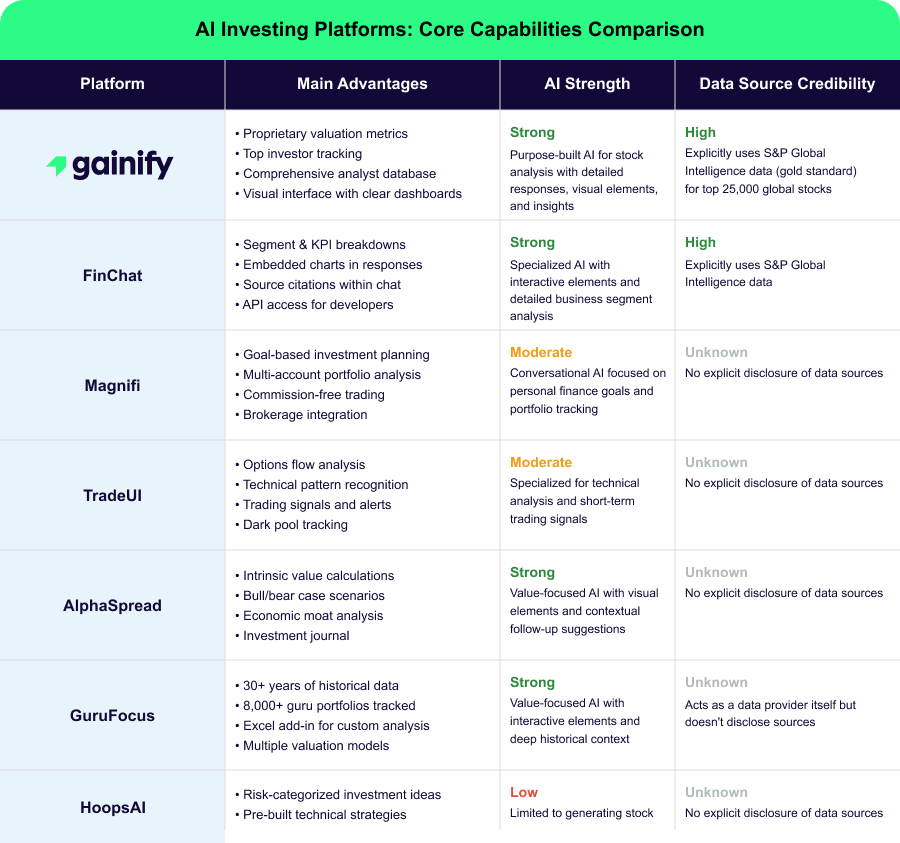
As the field of AI continues to evolve, so too do the capabilities of AI tools for investing. Today, investors have access to a wide range of AI-powered tools and platforms that can help them make smarter investment decisions, from robo-advisors that automatically manage portfolios to predictive analytics tools that forecast market trends. In this article, we will explore some of the most popular AI tools for investing and how they can benefit investors of all levels.
Robo-Advisors
Robo-advisors are automated investment platforms that use AI algorithms to create and manage investment portfolios for clients. These platforms typically use a combination of algorithms and human input to determine the best investment strategy based on factors such as risk tolerance, investment goals, and time horizon. Robo-advisors have become increasingly popular in recent years, as they offer a convenient and cost-effective way for investors to access professional investment management.
One of the key advantages of robo-advisors is their ability to provide personalized investment advice based on an individual’s unique financial situation. By inputting information such as income, assets, and investment goals, investors can receive a tailored investment plan that is designed to help them achieve their financial objectives. Robo-advisors also offer automated rebalancing, tax-loss harvesting, and other features that can help investors optimize their portfolios and maximize returns.
Another benefit of robo-advisors is their low cost compared to traditional investment advisors. Because robo-advisors operate largely online and use AI algorithms to manage portfolios, they are able to offer their services at a fraction of the cost of human advisors. This makes robo-advisors an attractive option for investors who are looking to save on fees and expenses while still receiving professional investment advice. Overall, robo-advisors are a powerful AI tool for investing that can help investors build and manage diversified portfolios with ease.
Predictive Analytics Tools

Predictive analytics tools are AI-powered platforms that use historical data, statistical algorithms, and machine learning to forecast future market trends and make investment recommendations. These tools analyze patterns and trends in the financial markets to identify potential opportunities for investors, helping them make more informed decisions about when to buy, sell, or hold investments. Predictive analytics tools can be especially useful for investors who are looking to take advantage of short-term trading opportunities or who want to stay ahead of market trends.
One of the key benefits of predictive analytics tools is their ability to provide real-time insights into market conditions and trends. By analyzing large volumes of data from sources such as stock prices, economic indicators, and news articles, these tools can generate accurate forecasts about where the market is headed and which investments are likely to perform well in the future. This can help investors make timely decisions that maximize their returns and minimize their risks.
Another advantage of predictive analytics tools is their ability to identify patterns and trends that may not be immediately obvious to human investors. By using sophisticated algorithms and machine learning techniques, these tools can uncover hidden correlations and relationships in the data that can provide valuable insights into market behavior. This can help investors make more informed decisions and avoid common pitfalls such as emotional investing or following the herd. Overall, predictive analytics tools are a powerful AI tool for investing that can help investors stay ahead of the curve and make better investment decisions.
Sentiment Analysis Tools
Sentiment analysis tools are AI-powered platforms that use natural language processing and machine learning to analyze news articles, social media posts, and other sources of information to gauge market sentiment and investor emotions. These tools can help investors understand the prevailing mood in the market and how it may impact investment decisions, allowing them to make more informed choices about when to buy, sell, or hold investments. Sentiment analysis tools can be particularly useful for investors who want to stay informed about market trends and sentiment in real-time.
One of the key benefits of sentiment analysis tools is their ability to provide insights into investor behavior and sentiment that may not be reflected in market data alone. By analyzing news articles, social media posts, and other sources of information, these tools can identify trends and patterns that can help investors anticipate market movements and make smarter investment decisions. For example, if sentiment analysis tools detect a surge in positive sentiment towards a particular stock, investors may interpret this as a bullish signal and adjust their investment strategy accordingly.
Another advantage of sentiment analysis tools is their ability to provide real-time updates on market sentiment and news events that may impact investment decisions. By monitoring a wide range of sources in real-time, these tools can help investors stay informed about breaking news, earnings reports, and other events that may affect their investments. This can help investors make timely decisions that capitalize on market opportunities and avoid potential risks. Overall, sentiment analysis tools are a valuable AI tool for investing that can help investors stay ahead of market sentiment and make more informed decisions.
Algorithmic Trading Platforms
Algorithmic trading platforms are AI-powered systems that use complex algorithms and mathematical models to execute trades automatically based on predefined criteria and rules. These platforms can analyze market data, identify trading opportunities, and place orders on behalf of investors in a matter of milliseconds, allowing them to take advantage of short-term market fluctuations and execute trades with precision. Algorithmic trading platforms have become increasingly popular in recent years, as they offer a fast and efficient way for investors to trade in the financial markets.
One of the key advantages of algorithmic trading platforms is their ability to execute trades at high speeds and with minimal human intervention. By using AI algorithms to analyze market data and identify trading opportunities, these platforms can execute trades automatically without the need for manual intervention. This can help investors take advantage of short-term market movements and capitalize on opportunities that may arise in the market. Additionally, algorithmic trading platforms can help investors reduce the potential for human error and emotional bias in their trading decisions.
Another benefit of algorithmic trading platforms is their ability to backtest and optimize trading strategies based on historical data. By using AI algorithms to analyze past market data and simulate trading scenarios, investors can test different strategies and determine which ones are most effective in different market conditions. This can help investors refine their trading strategies and improve their performance over time. Overall, algorithmic trading platforms are a powerful AI tool for investing that can help investors execute trades with speed, accuracy, and efficiency.
Portfolio Optimization Tools
Portfolio optimization tools are AI-powered platforms that use advanced algorithms and mathematical models to help investors build and manage diversified investment portfolios. These tools analyze factors such as risk tolerance, return objectives, and correlation between assets to create optimal portfolios that maximize returns and minimize risks. Portfolio optimization tools can be especially useful for investors who want to build well-balanced portfolios that are designed to achieve their financial goals.
One of the key benefits of portfolio optimization tools is their ability to create portfolios that are tailored to an individual’s unique investment objectives and risk profile. By inputting information such as investment goals, time horizon, and risk tolerance, investors can receive a customized investment plan that is designed to help them achieve their financial objectives. Portfolio optimization tools can also help investors identify and eliminate redundant or overlapping investments in their portfolios, reducing the potential for overexposure to certain assets.
Another advantage of portfolio optimization tools is their ability to provide insights into the performance of different asset classes and investment strategies. By analyzing historical data and market trends, these tools can help investors determine which assets are likely to perform well in different market conditions and which strategies are most effective in achieving their investment goals. This can help investors make more informed decisions about how to allocate their investments and optimize their portfolios for maximum returns. Overall, portfolio optimization tools are a valuable AI tool for investing that can help investors build well-diversified portfolios that are designed to achieve their financial objectives.
Risk Management Tools
Risk management tools are AI-powered platforms that use advanced algorithms and statistical models to assess and mitigate risks in investment portfolios. These tools analyze factors such as volatility, correlation, and market conditions to identify potential risks and provide recommendations for managing them effectively. Risk management tools can help investors protect their investments from downside risk, minimize losses, and optimize their portfolios for maximum returns. These tools can be especially useful for investors who want to reduce the potential for losses and protect their investments against market volatility.
One of the key benefits of risk management tools is their ability to provide real-time insights into the risks in investment portfolios. By analyzing factors such as asset correlations, volatility, and market trends, these tools can help investors identify potential risks and take proactive measures to mitigate them. For example, if a risk management tool detects a high level of correlation between two assets in a portfolio, it may recommend diversifying the portfolio to reduce the potential for losses. This can help investors protect their investments from downside risk and volatility.
Another advantage of risk management tools is their ability to provide recommendations for optimizing investment portfolios to achieve a balance between risk and return. By analyzing factors such as risk tolerance, return objectives, and correlation between assets, these tools can help investors build well-balanced portfolios that are designed to achieve their financial goals. Risk management tools can also help investors implement risk mitigation strategies such as hedging, diversification, and asset allocation to