
Understanding the Basics of Stock Charts
Stock charts are visual representations of the price movement of a particular stock over a specific period of time. They are essential tools for investors and traders to analyze the historical performance of a stock and make informed decisions about buying or selling. There are several types of stock charts, including line charts, bar charts, and candlestick charts. Each type provides different levels of detail and can be used for different purposes.
Line charts are the most basic type of stock chart and show the closing prices of a stock over a specific period. They are useful for identifying trends and patterns over time. Bar charts, on the other hand, provide more information by showing the opening, high, low, and closing prices of a stock for each day. Candlestick charts are the most detailed type of stock chart and display the same information as bar charts but in a more visually appealing way.

To read a stock chart effectively, it is essential to understand the various components of the chart, such as the x-axis (time) and y-axis (price). By analyzing these components, investors can identify trends, support and resistance levels, and potential entry and exit points for a stock.
In conclusion, understanding the basics of stock charts is crucial for investors and traders to make informed decisions about buying and selling stocks. By familiarizing themselves with the different types of stock charts and how to read them effectively, investors can gain valuable insights into the performance of a stock and maximize their chances of success in the market.
Identifying Trends in Stock Charts

One of the most critical aspects of reading stock charts is identifying trends. A trend is the general direction in which a stock’s price is moving over a specific period. There are three main types of trends: uptrend, downtrend, and sideways trend. An uptrend is characterized by higher highs and higher lows, indicating that the stock is generally rising in price. A downtrend, on the other hand, is marked by lower highs and lower lows, signaling that the stock is decreasing in value. A sideways trend, also known as a range-bound market, occurs when the stock price moves within a specific price range without a clear direction.
To identify trends in stock charts, investors can use technical analysis tools such as moving averages, trendlines, and chart patterns. Moving averages are indicators that smooth out price data to identify trends over a specific period. Trendlines are straight lines that connect consecutive highs or lows on a stock chart, helping investors visualize the direction of the trend. Chart patterns, such as head and shoulders, double tops, and triangles, can also provide valuable information about the future direction of a stock.
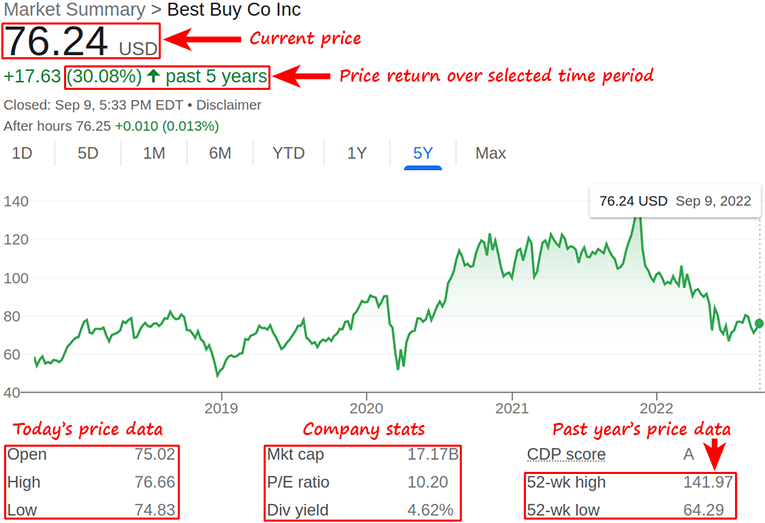
By identifying trends in stock charts, investors can make informed decisions about when to buy or sell a stock based on the current market conditions. Recognizing trends can help investors capitalize on potential opportunities and avoid potential pitfalls in the market.
In conclusion, identifying trends in stock charts is a crucial skill for investors and traders to make profitable decisions in the stock market. By using technical analysis tools and understanding the different types of trends, investors can gain valuable insights into the performance of a stock and increase their chances of success in the market.
Support and Resistance Levels in Stock Charts
Support and resistance levels are essential concepts in technical analysis that can help investors identify potential entry and exit points for a stock. Support levels are price levels at which a stock tends to stop falling and bounce back up, indicating a level of buying interest. Resistance levels, on the other hand, are price levels at which a stock tends to stop rising and pull back, suggesting a level of selling interest.
To identify support and resistance levels in stock charts, investors can look for areas where the stock price has previously bounced off multiple times. These areas act as psychological barriers for the stock price and can indicate potential buying or selling opportunities. By drawing horizontal lines on a stock chart at these key levels, investors can visualize the potential price movements and make informed decisions about when to enter or exit a trade.
Support and resistance levels can also be identified using technical analysis tools such as moving averages, Fibonacci retracement levels, and pivot points. These tools can help investors confirm the validity of support and resistance levels and determine the strength of the price movements.
In conclusion, understanding support and resistance levels in stock charts is essential for investors and traders to make strategic decisions in the market. By identifying key levels on a stock chart and using technical analysis tools to confirm these levels, investors can increase their chances of success and maximize their profits in the stock market.