
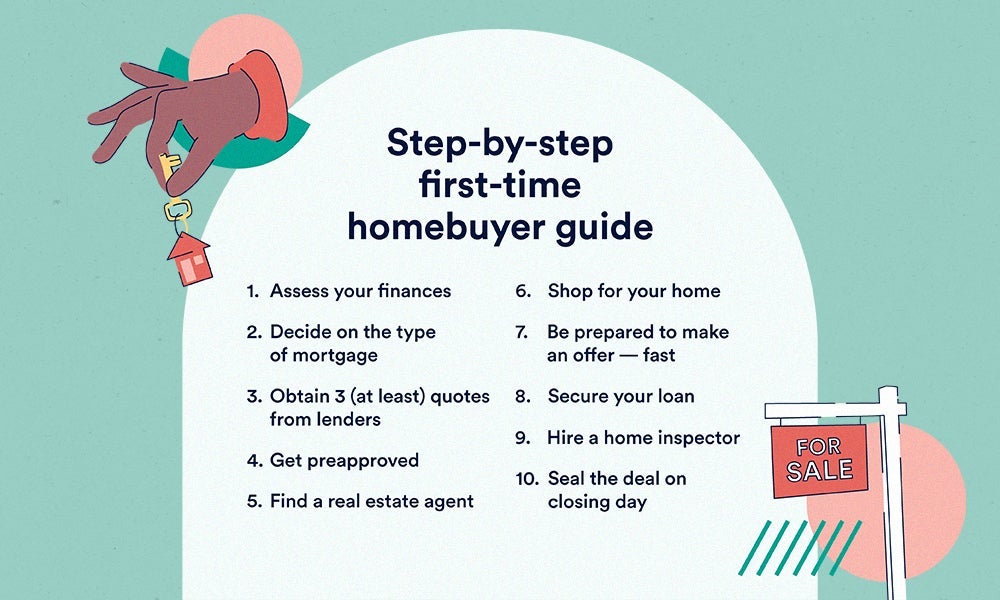
1. Establish Your Budget
When it comes to purchasing your first home, one of the most important steps is to establish your budget. Before you start shopping for a home, it’s crucial to know how much you can afford to spend. This will help you narrow down your search and prevent you from falling in love with a home that is out of your price range.
To determine your budget, take a look at your income, expenses, and any existing debt you may have. Consider how much you can comfortably afford to pay each month for your mortgage, property taxes, insurance, and maintenance costs. It’s also a good idea to get pre-approved for a mortgage so you know exactly how much you can borrow from a lender.

Additionally, don’t forget to factor in additional costs such as closing costs, moving expenses, and any repairs or renovations that may be needed in your new home. By establishing your budget upfront, you can avoid financial surprises down the road.
2. Research the Housing Market
Before you start searching for your first home, it’s important to research the housing market in your desired area. Take the time to familiarize yourself with the current trends, average home prices, and inventory levels. This will give you a better understanding of what to expect and help you make an informed decision when it comes time to make an offer.
It’s also a good idea to work with a real estate agent who is knowledgeable about the local market. They can help you navigate the buying process, negotiate on your behalf, and provide valuable insights into the area you are looking to buy in.
Furthermore, consider attending open houses and touring homes in your desired area. This will give you a better sense of what’s available on the market and help you narrow down your options. By researching the housing market, you can feel more confident when it comes time to make an offer on your first home.
3. Understand Your Mortgage Options
As a first-time homebuyer, it’s important to understand your mortgage options and choose the one that best fits your financial situation. There are several different types of mortgages available, including fixed-rate mortgages, adjustable-rate mortgages, FHA loans, VA loans, and USDA loans.
Fixed-rate mortgages have a set interest rate for the life of the loan, making it easier to budget for your monthly payments. Adjustable-rate mortgages have an interest rate that can change over time, which can result in lower initial payments but may increase in the future.
FHA loans are backed by the Federal Housing Administration and require a lower down payment, making them a popular option for first-time buyers. VA loans are available to veterans and active-duty military members and offer competitive interest rates and no down payment requirement. USDA loans are designed for rural and suburban homebuyers and offer low-interest rates and no down payment requirement.
Before choosing a mortgage, it’s important to compare rates, terms, and fees from multiple lenders. This will help you find the best option for your financial situation and ensure you get the most competitive rates available.
4. Get a Home Inspection
One of the most important steps in the homebuying process is to get a home inspection. A home inspection is a thorough examination of the property’s condition, including the foundation, roof, plumbing, electrical system, and more. It can uncover any potential issues or repairs that may need to be addressed before closing on the home.
Hiring a qualified and experienced home inspector is crucial to ensuring your future home is in good condition. They will provide you with a detailed report of their findings, which can help you make an informed decision about whether to move forward with the purchase or negotiate repairs with the seller.
Keep in mind that a home inspection is different from an appraisal, which is conducted by the lender to determine the value of the property. While an appraisal is required by the lender, a home inspection is optional but highly recommended for first-time homebuyers.
Getting a home inspection can give you peace of mind and help you avoid any costly surprises after you move in. It’s a small investment that can save you money and headaches in the long run.
5. Don’t Skip the Home Appraisal
After your offer on a home has been accepted, the next step in the homebuying process is to get a home appraisal. A home appraisal is an unbiased estimate of the property’s value, conducted by a licensed appraiser. The lender requires an appraisal to ensure the property is worth the amount you are borrowing to purchase it.
During the appraisal, the appraiser will assess the condition of the property, compare it to similar homes in the area, and provide a final valuation. If the appraised value is lower than the purchase price, it can impact your loan approval and may require renegotiating with the seller.
While a home appraisal is required by the lender, it also benefits you as the buyer. It helps you avoid overpaying for a property and ensures you are making a sound investment. By getting a home appraisal, you can feel confident that you are paying a fair price for your first home.
6. Consider Additional Costs
When buying your first home, it’s important to consider additional costs beyond the purchase price. Closing costs are one of the most significant expenses that come with buying a home and typically range from 2% to 5% of the purchase price. These costs include appraisal fees, home inspection fees, title insurance, and attorney fees.
In addition to closing costs, you should also budget for moving expenses, furniture, and any repairs or renovations that may be needed in your new home. It’s essential to have a financial cushion to cover unexpected costs that may arise during the homebuying process.
Another important consideration is property taxes and homeowners insurance, which are ongoing expenses that you will need to budget for each year. Property taxes are based on the assessed value of your home and can vary depending on your location. Homeowners insurance protects your investment and provides coverage for damage to your property or belongings.
By considering these additional costs upfront, you can avoid financial stress and ensure a smooth homebuying experience.
7. Negotiate with the Seller
Once you have found a home you love and have completed the necessary inspections and appraisals, it’s time to negotiate with the seller. This is where your real estate agent can be a valuable resource, helping you navigate the negotiation process and secure the best possible deal.
When negotiating with the seller, consider factors such as the current market conditions, the condition of the property, and any repairs or updates that may be needed. You can negotiate on the purchase price, closing costs, and any repairs or updates that you would like the seller to address before closing.
Keep in mind that negotiations are a two-way street, and it’s essential to be flexible and willing to compromise. By working together with the seller, you can reach a mutually beneficial agreement that satisfies both parties.
Don’t be afraid to ask for concessions or repairs during the negotiation process. The seller may be willing to make adjustments to the sales price or cover certain closing costs to close the deal. By negotiating with the seller, you can ensure you are getting the best possible deal on your first home.
8. Be Prepared for the Closing Process
The closing process is the final step in buying a home and involves signing all the necessary paperwork to transfer ownership from the seller to you. It typically takes place at a title company or attorney’s office and can be a lengthy and complex process.
Before the closing, you will receive a Closing Disclosure document that outlines all the final terms of your loan, including the interest rate, monthly payments, and closing costs. Review this document carefully and ask any questions you may have before signing.
During the closing, you will sign a stack of documents, including the mortgage note and deed of trust, and pay any remaining closing costs. It’s important to bring a government-issued photo ID and any funds required for closing, such as a cashier’s check.
After the closing is complete, you will receive the keys to your new home and officially become a homeowner. Congratulations on achieving this exciting milestone!
Conclusion
Buying your first home is a significant milestone and can be an overwhelming process, especially for first-time buyers. By following these tips and being prepared, you can navigate the homebuying process with confidence and ensure a smooth experience.
Establishing your budget, researching the housing market, understanding your mortgage options, and getting a home inspection are essential steps to take before buying a home. Don’t forget to consider additional costs, negotiate with the seller, and be prepared for the closing process.
With the right knowledge and preparation, you can find the perfect home for your needs and make a sound investment in your future. Congratulations on taking this exciting step towards homeownership!