
Introduction
When it comes to investing, two popular options that often come to mind are real estate and stocks. Both offer potential for significant returns, but each comes with its own set of risks and rewards. In this article, we will explore the differences between investing in real estate and stocks, and help you determine which option may be best for you.
Real Estate
Investing in real estate has long been a popular choice for many individuals looking to build wealth over time. Real estate offers the opportunity to generate passive income through rental properties, as well as the potential for appreciation in property values. Additionally, real estate can provide a hedge against inflation, as property values tend to rise over time.
One of the key benefits of investing in real estate is the ability to leverage debt. By using a mortgage to purchase a property, investors can benefit from the power of leverage to increase their return on investment. Additionally, real estate offers tax advantages such as depreciation deductions and the ability to defer capital gains taxes through 1031 exchanges.
However, investing in real estate also comes with its own set of risks. Property values can fluctuate based on market conditions, and rental properties can require ongoing maintenance and management. Additionally, real estate is a less liquid investment compared to stocks, as it can take time to sell a property and access your funds.
Stocks

Investing in the stock market is another popular option for individuals looking to grow their wealth over time. Stocks offer the potential for high returns, as well as the ability to diversify your portfolio across different industries and sectors. Additionally, investing in stocks can provide liquidity, as you can buy and sell shares of stock quickly and easily.
One of the key benefits of investing in stocks is the ease of diversification. By investing in a broad range of stocks, investors can spread out their risk and reduce the impact of any single stock performing poorly. Additionally, investing in stocks can offer passive income through dividends, which are payments made to shareholders by companies.
However, investing in stocks also comes with its own set of risks. The stock market can be volatile, with prices fluctuating based on a variety of factors such as economic conditions, company performance, and investor sentiment. Additionally, investing in stocks requires a strong understanding of market trends and company fundamentals in order to make informed investment decisions.
Comparison of Returns
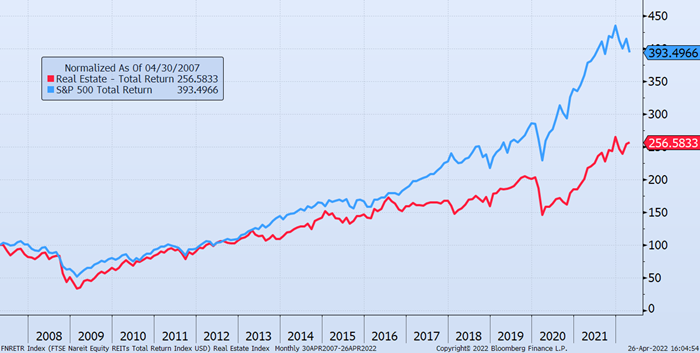
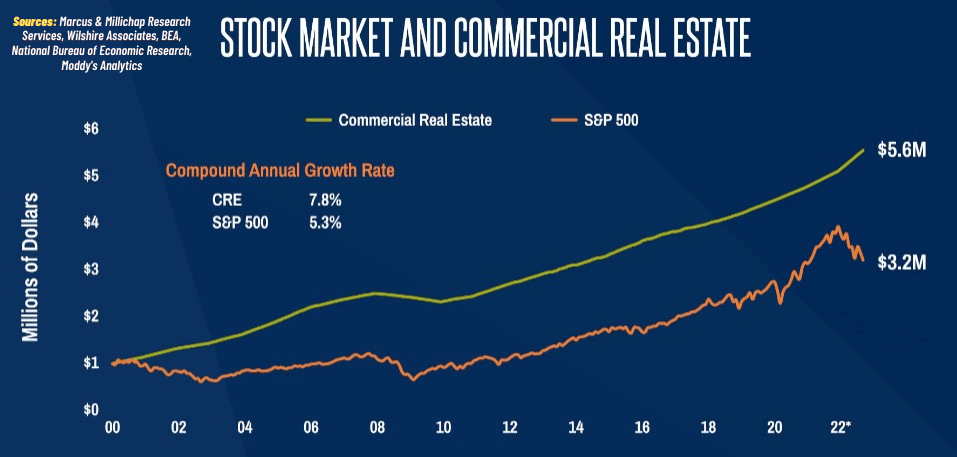
When comparing the returns of real estate and stocks, it is important to consider both short-term and long-term performance. Historically, real estate has provided solid returns over the long term, with property values appreciating over time. Additionally, rental properties can provide a steady stream of passive income for investors.
On the other hand, stocks have the potential for higher returns in the short term, as prices can fluctuate rapidly based on market conditions. While stocks can provide significant gains, they also come with the risk of losing value if the market experiences a downturn. It is important for investors to carefully consider their risk tolerance and investment goals when deciding between real estate and stocks.
Risk Factors
Both real estate and stocks come with their own set of risks that investors must consider before making an investment. When investing in real estate, risks include fluctuations in property values, rental vacancies, and unexpected maintenance costs. Additionally, changes in interest rates can impact the affordability of mortgages and the overall demand for real estate.
When investing in stocks, risks include market volatility, company-specific risk, and economic factors that can impact stock prices. Investors in the stock market are subject to the whims of the market and must be prepared for the possibility of losing money on their investments. It is important for investors to carefully assess their risk tolerance and investment objectives before deciding between real estate and stocks.
Liquidity
One key difference between real estate and stocks is the level of liquidity they offer to investors. Real estate is a less liquid investment compared to stocks, as it can take time to sell a property and access your funds. Additionally, the real estate market can be subject to fluctuations in demand and supply, which can impact the speed at which a property can be sold.
Stocks, on the other hand, offer high liquidity, as investors can buy and sell shares of stock quickly and easily on the stock market. This means that investors can access their funds more readily in the stock market compared to real estate. Additionally, the stock market operates on a continuous basis, allowing for trading throughout the day.
Tax Considerations
Another important factor to consider when comparing real estate and stocks is the tax implications of each investment. Real estate offers several tax advantages to investors, including depreciation deductions, mortgage interest deductions, and the ability to defer capital gains taxes through 1031 exchanges. These tax benefits can help investors reduce their overall tax liability and increase their return on investment.
Stocks also come with their own set of tax considerations, including capital gains taxes on profits made from selling stocks and dividend taxes on income received from dividends. Additionally, investors in stocks may be subject to other taxes such as the Net Investment Income Tax (NIIT) on investment income. It is important for investors to consult with a tax professional to understand the tax implications of investing in real estate and stocks.
Conclusion
In conclusion, both real estate and stocks offer potential for significant returns and can be valuable assets in a diversified investment portfolio. When deciding between real estate and stocks, it is important for investors to consider their risk tolerance, investment goals, and financial situation. Real estate offers the benefits of passive income and potential for appreciation, while stocks provide liquidity and the potential for high returns. By carefully evaluating the risks and rewards of each investment option, investors can make informed decisions to help them achieve their financial goals.