
Lean FIRE vs Fat FIRE: Which Financial Independence Retire Early (FIRE) Approach is Right for You?
Introduction
Financial Independence Retire Early (FIRE) has gained popularity in recent years as a movement that encourages individuals to save aggressively and retire early. Within the FIRE community, there are two main approaches: Lean FIRE and Fat FIRE. Lean FIRE focuses on achieving financial independence on a relatively small budget, while Fat FIRE allows for a more comfortable lifestyle. In this article, we will explore the differences between Lean FIRE and Fat FIRE and help you determine which approach is right for you.
What is Lean FIRE?
Lean FIRE is a strategy that involves living on a minimal budget in order to achieve financial independence as quickly as possible. Those pursuing Lean FIRE typically aim to save at least 25 times their annual expenses to cover their living costs in retirement. This often requires making significant lifestyle changes, such as cutting back on expenses, downsizing, and prioritizing saving and investing over spending.

One of the main benefits of Lean FIRE is the ability to achieve financial independence at a younger age. By living frugally and saving aggressively, individuals pursuing Lean FIRE can potentially retire in their 30s or 40s. This early retirement allows for more time to pursue passions, travel, or simply enjoy a more relaxed lifestyle.
However, there are also challenges associated with Lean FIRE. Living on a tight budget can be difficult and may require sacrifices in terms of comfort and convenience. Additionally, Lean FIRE may not be suitable for everyone, especially those with high expenses or financial obligations.
What is Fat FIRE?

Fat FIRE, on the other hand, is a more relaxed approach to financial independence that allows for a higher standard of living. Those pursuing Fat FIRE aim to accumulate a larger nest egg in order to support a more comfortable lifestyle in retirement. This often means saving more than 25 times their annual expenses to cover additional luxuries and indulgences.
The main advantage of Fat FIRE is the ability to enjoy a more lavish lifestyle in retirement. With a larger nest egg, individuals pursuing Fat FIRE can afford to travel more frequently, live in a nicer home, and indulge in hobbies and interests without worrying about money. This approach may be more appealing to those who value comfort and luxury in their retirement years.
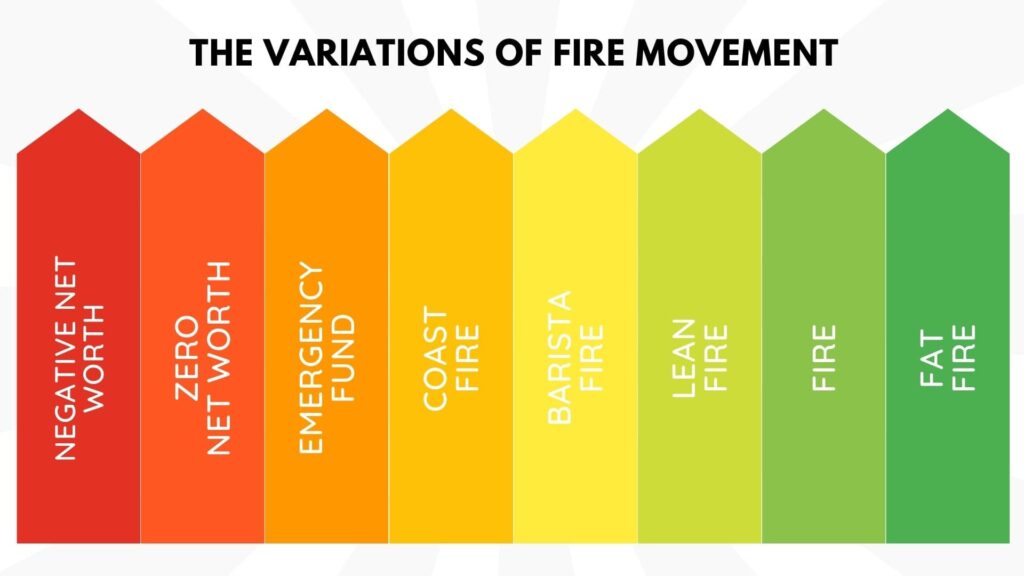
However, there are also downsides to Fat FIRE. Achieving financial independence with a larger nest egg typically takes longer, which means retiring at a later age. Additionally, maintaining a higher standard of living in retirement may require more discipline and careful budgeting to ensure that savings last throughout the retirement years.
Key Differences between Lean FIRE and Fat FIRE
There are several key differences between Lean FIRE and Fat FIRE that individuals should consider when deciding which approach is right for them. One of the main differences is the level of savings required to achieve financial independence. Lean FIRE typically requires a smaller nest egg, while Fat FIRE requires a larger one to support a more comfortable lifestyle.
Another key difference is the timeline for achieving financial independence. Those pursuing Lean FIRE may be able to retire at a younger age, while those pursuing Fat FIRE may need to work longer to accumulate a larger nest egg. This difference in timeline can impact lifestyle choices and retirement goals.
Additionally, the level of sacrifice and discipline required is another important factor to consider. Lean FIRE requires strict budgeting and frugal living, while Fat FIRE allows for more flexibility and indulgence. Individuals must weigh their priorities and decide what level of sacrifice they are willing to make in order to achieve financial independence.
Factors to Consider When Choosing between Lean FIRE and Fat FIRE
When determining whether Lean FIRE or Fat FIRE is right for you, there are several factors to consider. One of the main considerations is your individual financial situation and goals. If you have high expenses or financial obligations, Lean FIRE may not be feasible, and Fat FIRE may be a better fit.
Another factor to consider is your lifestyle preferences and priorities. If you value comfort and luxury in retirement, Fat FIRE may be more appealing. However, if you are willing to make sacrifices in order to retire early, Lean FIRE may be a better option.
It is also important to consider your risk tolerance and investment strategy when choosing between Lean FIRE and Fat FIRE. Those pursuing Lean FIRE may need to take on more risk in their investments to achieve financial independence quickly, while those pursuing Fat FIRE may take a more conservative approach.
Case Studies: Lean FIRE vs Fat FIRE
To better understand the differences between Lean FIRE and Fat FIRE, let’s consider two hypothetical case studies.
Case Study 1: Sarah is a 30-year-old software engineer who earns $80,000 per year. She dreams of retiring in her 40s and is willing to live on a tight budget to achieve financial independence quickly. Sarah decides to pursue Lean FIRE and saves 50% of her income each year, aiming to retire with a nest egg of $1 million.
Case Study 2: John is a 40-year-old lawyer who earns $150,000 per year. He wants to maintain his current lifestyle in retirement and is willing to work until his late 50s to accumulate a larger nest egg. John pursues Fat FIRE and saves 30% of his income each year, aiming to retire with a nest egg of $3 million.
These case studies illustrate the different approaches and timelines for achieving financial independence with Lean FIRE and Fat FIRE. Each individual must determine which approach aligns with their goals and priorities.
Conclusion
In conclusion, Lean FIRE and Fat FIRE are two distinct approaches to achieving financial independence and early retirement. Lean FIRE involves living on a minimal budget to retire early, while Fat FIRE allows for a more comfortable lifestyle in retirement. When deciding between Lean FIRE and Fat FIRE, individuals must consider their financial situation, lifestyle preferences, risk tolerance, and investment strategy.
Ultimately, the right approach depends on your individual goals and priorities. Whether you choose Lean FIRE or Fat FIRE, the key is to develop a clear plan, stick to your savings goals, and make informed decisions about your finances. By taking control of your financial future and working towards early retirement, you can achieve the freedom and flexibility to live life on your own terms.