
Unlocking Financial Success with the 50 30 20 Rule
Understanding the 50 30 20 Rule
The 50 30 20 rule is a simple yet effective budgeting technique that can help individuals achieve financial stability and success. The rule states that 50% of your income should go towards necessities, 30% towards wants, and 20% towards savings and debt repayment. By following this rule, you can ensure that you are able to cover your essential expenses, enjoy some discretionary spending, and build up your savings for the future.
One of the key benefits of the 50 30 20 rule is that it provides a clear and easy-to-follow framework for managing your finances. By allocating a specific percentage of your income to each category, you can ensure that you are living within your means and not overspending. This can help you avoid debt, build up your savings, and achieve your financial goals.

It’s important to note that the 50 30 20 rule is a guideline rather than a strict rule. Depending on your individual circumstances, you may need to adjust the percentages to better suit your needs. For example, if you have high living expenses or debt payments, you may need to allocate more than 50% of your income to necessities. The key is to find a balance that works for you and helps you achieve your financial goals.
The Importance of Necessities
Necessities are the essential expenses that you need to cover in order to live comfortably and maintain a certain standard of living. These expenses typically include things like rent or mortgage payments, utilities, groceries, transportation, and insurance. According to the 50 30 20 rule, you should allocate 50% of your income towards these necessities.
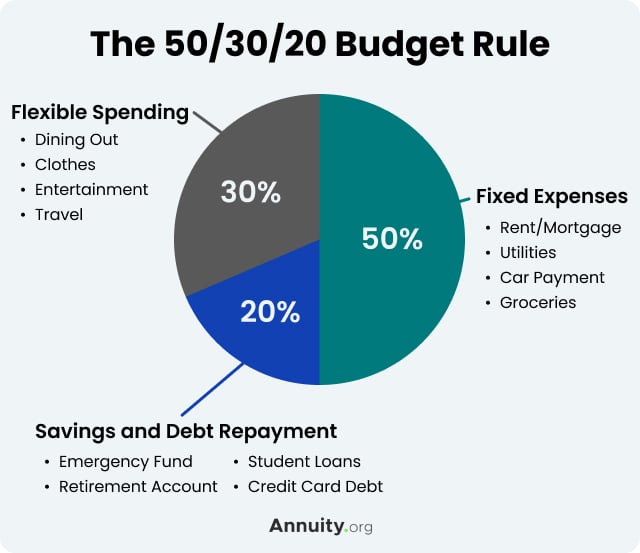
Allocating 50% of your income towards necessities ensures that you are able to cover your basic living expenses and maintain a roof over your head. By prioritizing these expenses, you can avoid falling behind on bills and ensure that your financial obligations are met. This can help provide you with a sense of security and stability, knowing that your basic needs are being taken care of.
It’s important to carefully consider what constitutes a necessity and what can be classified as a want. While it’s easy to justify certain expenses as necessities, it’s important to be honest with yourself about what is truly essential. By being mindful of your spending and prioritizing your needs, you can ensure that you are living within your means and making wise financial decisions.
Indulging in Wants
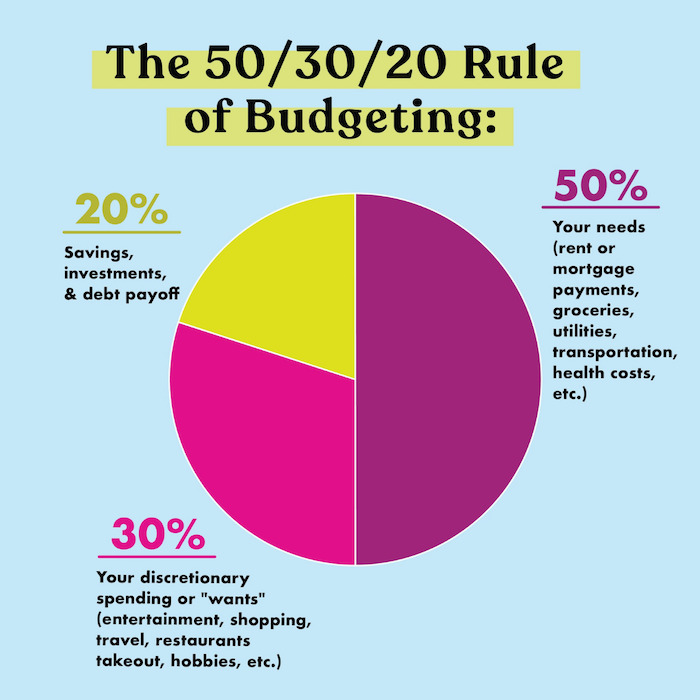
Wants are the discretionary expenses that allow you to enjoy the finer things in life and indulge in the things that bring you pleasure and happiness. These expenses can include things like dining out, entertainment, travel, shopping, and hobbies. According to the 50 30 20 rule, you should allocate 30% of your income towards these wants.
Allocating 30% of your income towards wants allows you to enjoy some of the luxuries and experiences that make life more enjoyable. By setting aside a portion of your income for discretionary spending, you can avoid feeling deprived or restricted in your budget. This can help you maintain a healthy balance between enjoying life now and saving for the future.
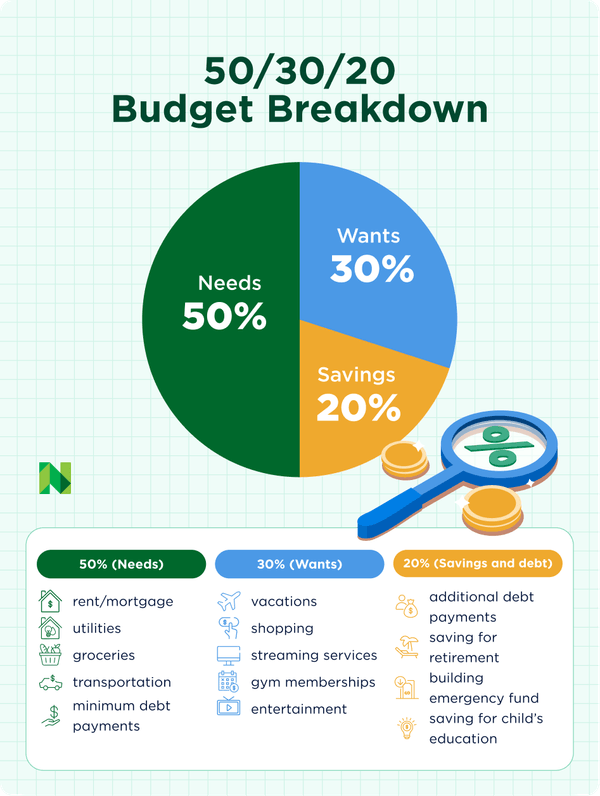
It’s important to be mindful of your wants and prioritize the things that bring you the most joy and fulfillment. While it’s tempting to indulge in every whim and desire, it’s important to be selective about how you spend your discretionary income. By focusing on the things that truly matter to you and bring you happiness, you can make the most of your wants budget and ensure that you are getting the most value for your money.
Building Savings and Repaying Debt
Savings and debt repayment are essential components of financial success and security. By allocating 20% of your income towards savings and debt repayment, you can build up a financial cushion, prepare for emergencies, and work towards your long-term financial goals. This can help you achieve greater financial stability and peace of mind, knowing that you are prepared for whatever the future may hold.
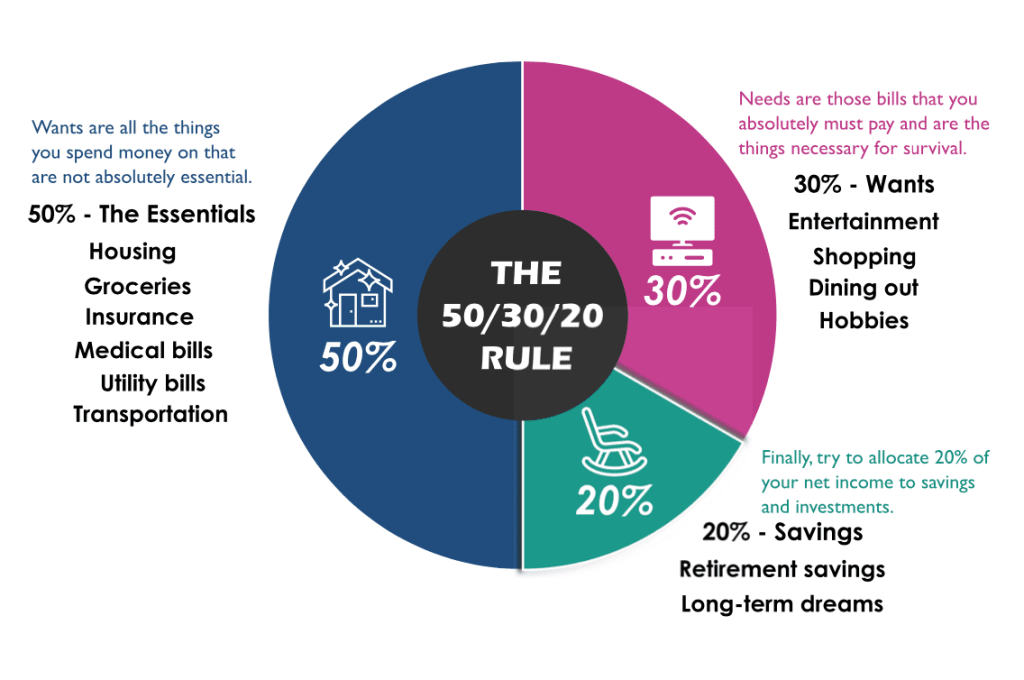
Allocating 20% of your income towards savings allows you to build up an emergency fund, save for major expenses or purchases, and invest in your future. By prioritizing savings, you can ensure that you have a financial safety net in place and are able to weather unexpected expenses or setbacks. This can help you avoid relying on credit cards or loans in times of need and maintain your financial independence.
In addition to savings, allocating a portion of your income towards debt repayment can help you eliminate high-interest debt, improve your credit score, and free up more money for savings and discretionary spending. By making consistent payments towards your debt, you can gradually reduce your outstanding balances and work towards becoming debt-free. This can help you achieve greater financial freedom and flexibility, allowing you to focus on building wealth and achieving your financial goals.
Strategies for Success with the 50 30 20 Rule
Navigating the 50 30 20 rule can be challenging, especially if you are accustomed to a different budgeting approach or are struggling to make ends meet. However, with some careful planning and discipline, you can successfully implement the rule and achieve greater financial success. Here are some strategies for success with the 50 30 20 rule:
1. Track Your Expenses: Start by tracking your expenses and identifying where your money is going each month. This can help you identify areas where you may be overspending and make adjustments to better align with the 50 30 20 rule.
2. Create a Budget: Develop a budget that allocates 50% of your income towards necessities, 30% towards wants, and 20% towards savings and debt repayment. Be sure to prioritize your needs and set realistic spending limits for your wants.
3. Automate Your Savings: Consider setting up automatic transfers to your savings account each month to ensure that you are consistently saving 20% of your income. This can help you build up your savings over time and make it easier to stick to the 50 30 20 rule.
4. Prioritize Debt Repayment: If you have high-interest debt, focus on paying off your balances as quickly as possible. Consider using the debt snowball or debt avalanche method to prioritize your debts and make consistent payments towards becoming debt-free.
5. Adjust as Needed: Be flexible and willing to adjust the percentages of the 50 30 20 rule as needed to better suit your individual circumstances. If you encounter unexpected expenses or changes in your income, be prepared to make adjustments to ensure that you are still able to meet your financial goals.
By following these strategies and staying committed to the 50 30 20 rule, you can achieve greater financial stability, reduce stress about money, and work towards achieving your long-term financial goals. With discipline and determination, you can unlock financial success and build a solid foundation for a secure financial future.
Benefits of the 50 30 20 Rule
The 50 30 20 rule offers a number of benefits for individuals looking to improve their financial health and achieve greater stability. By following this simple budgeting technique, you can enjoy the following benefits:
1. Simplified Budgeting: The 50 30 20 rule provides a clear and easy-to-follow framework for managing your finances. By allocating specific percentages of your income to different categories, you can simplify the budgeting process and ensure that you are living within your means.
2. Financial Stability: By prioritizing necessities, wants, savings, and debt repayment, you can achieve greater financial stability and security. By ensuring that you are covering your essential expenses, enjoying some discretionary spending, and building up your savings, you can avoid debt and financial stress and work towards your long-term financial goals.
3. Increased Savings: Allocating 20% of your income towards savings can help you build up a financial cushion, prepare for emergencies, and invest in your future. By making savings a priority, you can achieve greater financial independence and flexibility and set yourself up for long-term success.
4. Debt Reduction: Allocating a portion of your income towards debt repayment can help you eliminate high-interest debt, improve your credit score, and free up more money for savings and discretionary spending. By focusing on paying off your debts, you can achieve greater financial freedom and work towards becoming debt-free.
5. Greater Financial Awareness: By tracking your expenses, creating a budget, and following the 50 30 20 rule, you can gain a greater awareness of your financial habits and make more informed decisions about your money. This can help you identify areas where you may be overspending and make adjustments to better align with your financial goals.
Overall, the 50 30 20 rule offers a simple yet effective way to manage your finances, prioritize your spending, and achieve greater financial success. By following this rule and staying committed to your financial goals, you can unlock a more secure and stable financial future for yourself and your family.
Conclusion
The 50 30 20 rule is a powerful tool for achieving financial success and stability. By following this simple budgeting technique, you can prioritize your spending, build up your savings, and work towards your long-term financial goals. With some careful planning and discipline, you can successfully implement the 50 30 20 rule and unlock greater financial freedom and security. By tracking your expenses, creating a budget, and staying committed to your financial goals, you can achieve greater financial success and build a solid foundation for a secure financial future.