
Introduction
Debt repayment can be a daunting task, but with the right strategies in place, it is possible to successfully pay off debt and improve your financial situation. In this article, we will discuss eight effective debt repayment strategies that can help you get out of debt faster and more efficiently. By implementing these strategies, you can take control of your finances and work towards a debt-free future.
1. Create a Budget
One of the first steps in any debt repayment strategy is to create a budget. A budget allows you to see where your money is going and where you can make cuts to free up extra cash for debt repayment. Start by listing all of your monthly expenses, including rent, utilities, groceries, and debt payments. Then, compare your total expenses to your total income to see where you can make adjustments.
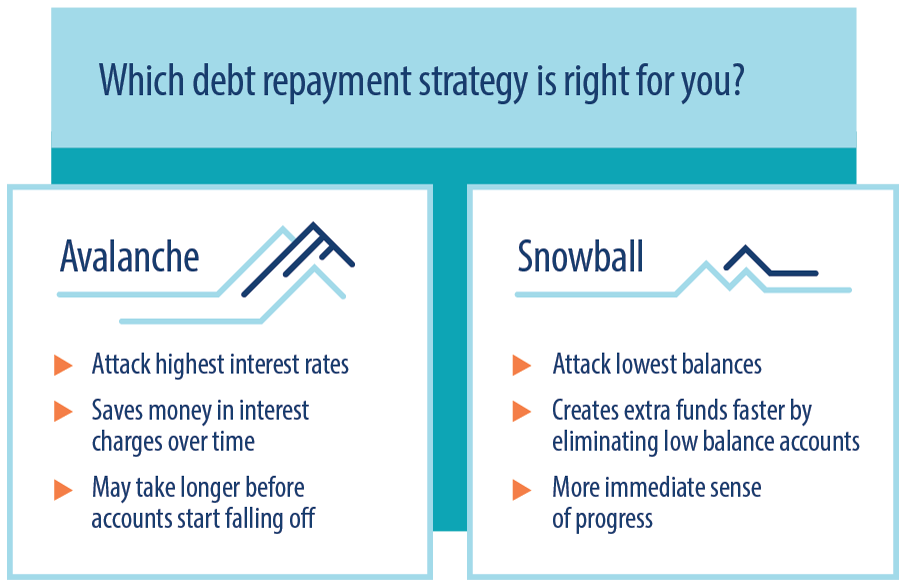
Once you have a budget in place, you can identify areas where you can cut back on spending to free up extra money for debt repayment. This might mean cutting out unnecessary expenses like dining out or shopping for clothes, or finding ways to reduce your fixed expenses like renegotiating your cable or phone bill. By creating a budget and sticking to it, you can make significant progress towards paying off your debt.
2. Snowball Method
The snowball method is a debt repayment strategy that involves paying off your smallest debts first while making minimum payments on your larger debts. Once your smallest debt is paid off, you can then snowball that payment into the next smallest debt, and so on. This method can help you gain momentum and motivation as you see your debts disappear one by one.
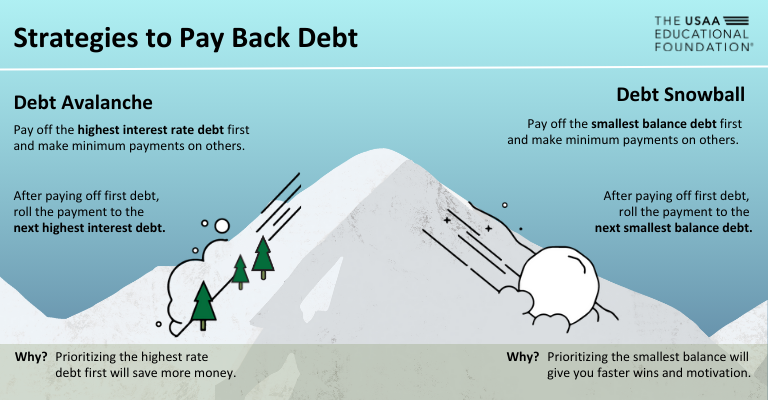
One of the benefits of the snowball method is that it allows you to see progress quickly, which can help keep you motivated to continue paying off your debts. By starting with your smallest debt, you can eliminate it relatively quickly and then use the freed-up cash to tackle your larger debts. This method is particularly effective for those who need a psychological boost to stay on track with their debt repayment goals.
3. Debt Avalanche Method
The debt avalanche method is another popular debt repayment strategy that involves paying off your debts with the highest interest rates first. By focusing on your high-interest debts, you can save money on interest over time and pay off your debts more quickly. Start by listing all of your debts in order of their interest rates, with the highest interest rate debt at the top.
Once you have your debts listed, allocate any extra money you have towards paying off the debt with the highest interest rate while making minimum payments on your other debts. Once that debt is paid off, move on to the next highest interest rate debt, and so on. This method can save you money in the long run by reducing the amount of interest you pay, allowing you to pay off your debts faster and more efficiently.
4. Debt Consolidation
Debt consolidation is a strategy that involves taking out a new loan to pay off multiple existing debts. This can help simplify your debt repayment process by combining all of your debts into one monthly payment with a lower interest rate. There are several options for debt consolidation, including personal loans, balance transfer credit cards, and home equity loans.
Before taking out a debt consolidation loan, it’s important to carefully weigh the pros and cons to ensure it’s the right choice for your financial situation. While debt consolidation can lower your interest rates and simplify your monthly payments, it can also extend the time it takes to pay off your debts and potentially increase the total amount you pay in interest. It’s important to shop around for the best terms and rates before committing to a debt consolidation loan.
5. Increase Your Income
Another effective debt repayment strategy is to increase your income by taking on a side hustle or finding ways to earn extra money. By bringing in additional income, you can accelerate your debt repayment process and reach your financial goals faster. There are many ways to increase your income, from freelancing or consulting to selling items online or renting out a room in your home.
By finding ways to increase your income, you can free up extra cash to put towards your debt payments and make progress towards becoming debt-free. Consider your skills and interests when looking for ways to boost your income, and choose opportunities that align with your goals and values. By combining increased income with a solid debt repayment plan, you can make significant strides towards achieving financial freedom.
6. Negotiate with Creditors
If you’re struggling to keep up with your debt payments, it may be worth reaching out to your creditors to negotiate more favorable terms. Many creditors are willing to work with you to create a payment plan that fits your budget and helps you avoid defaulting on your debts. Contact your creditors to discuss options like lowering your interest rate, extending your repayment term, or settling your debt for less than the full amount.
Negotiating with creditors can help you lower your monthly payments and make it more manageable to pay off your debts over time. It’s important to be honest and upfront about your financial situation when negotiating with creditors, as they are more likely to work with you if they understand your circumstances. By taking the initiative to negotiate with your creditors, you can create a plan that works for both parties and helps you get back on track with your debt repayment goals.
7. Seek Professional Help
If you’re feeling overwhelmed by your debt and struggling to make progress on your own, it may be time to seek professional help. There are a variety of resources available to help you manage your debt, including credit counseling services, debt management programs, and financial advisors. These professionals can provide guidance and support to help you develop a personalized debt repayment plan that fits your needs and goals.
Working with a professional can help you navigate the complexities of debt repayment and create a plan that sets you up for success. They can help you understand your options, negotiate with creditors on your behalf, and provide ongoing support as you work towards becoming debt-free. By enlisting the help of a professional, you can gain valuable insights and resources to help you overcome your debt and build a solid financial foundation for the future.
8. Stay Motivated and Consistent
Finally, one of the most important aspects of any debt repayment strategy is to stay motivated and consistent in your efforts. Paying off debt can be a long and challenging process, but by staying focused on your goals and making small, consistent steps towards paying off your debts, you can achieve success. Celebrate your victories along the way, whether it’s paying off a credit card or reaching a milestone in your debt repayment plan.
It’s important to stay motivated and remind yourself of the benefits of becoming debt-free, such as financial freedom, reduced stress, and improved credit scores. Create a visual reminder of your goals, whether it’s a vision board, debt tracker, or savings goal chart, to help keep you on track and motivated. By staying consistent in your efforts and remaining committed to your debt repayment plan, you can overcome your debts and create a brighter financial future for yourself.
Conclusion
Debt repayment can be a challenging journey, but with the right strategies in place, it is possible to achieve financial freedom and become debt-free. By creating a budget, using methods like the snowball or debt avalanche, considering debt consolidation, increasing your income, negotiating with creditors, seeking professional help, and staying motivated and consistent, you can make significant progress towards paying off your debts. Remember that every step towards debt repayment is a step towards a brighter financial future, so stay focused on your goals and celebrate your successes along the way. With dedication and perseverance, you can overcome your debts and build a solid foundation for a financially secure future.