1. Setting Financial Goals
Setting financial goals is the first step towards developing smart saving habits. By defining clear objectives, you can create a roadmap for your saving journey. Whether it’s saving for a vacation, a new car, or a rainy day fund, having specific goals in mind will help you stay motivated and focused on saving. Start by identifying your short-term and long-term financial goals, and then break them down into smaller, achievable milestones. This will make it easier to track your progress and celebrate your successes along the way.
Once you have set your financial goals, it’s important to prioritize them based on their importance and urgency. Create a budget that allocates a portion of your income towards each goal, and make sure to revisit and adjust your goals as needed. Remember, your financial goals may evolve over time, so it’s important to be flexible and adaptable in your saving strategy.
In addition to setting financial goals, it’s also important to regularly review and reassess your progress. Check in on your savings accounts, track your spending habits, and make adjustments as necessary to stay on track towards reaching your goals. By staying accountable and proactive in managing your finances, you can develop healthy saving habits that will benefit you in the long run.
2. Automating Your Savings
Automating your savings is a simple yet effective way to develop smart saving habits. By setting up automatic transfers from your checking account to your savings account, you can ensure that a portion of your income is consistently being saved without having to manually transfer the funds each month. This not only helps you save time and effort but also eliminates the temptation to spend the money instead.

To automate your savings, work with your bank to set up recurring transfers on a regular basis, whether it’s weekly, bi-weekly, or monthly. You can also explore apps and tools that offer automatic savings features, such as round-up programs that round up your purchases to the nearest dollar and deposit the spare change into your savings account. By taking advantage of these automated saving options, you can effortlessly build your savings over time.
In addition to automating your savings, consider setting up direct deposit for your paychecks to allocate a portion of your income directly into your savings account. This way, you can save before you even have a chance to spend the money, making it easier to stick to your saving goals. By incorporating automation into your saving strategy, you can make saving a seamless and consistent habit that will help you achieve financial stability.
3. Cutting Unnecessary Expenses
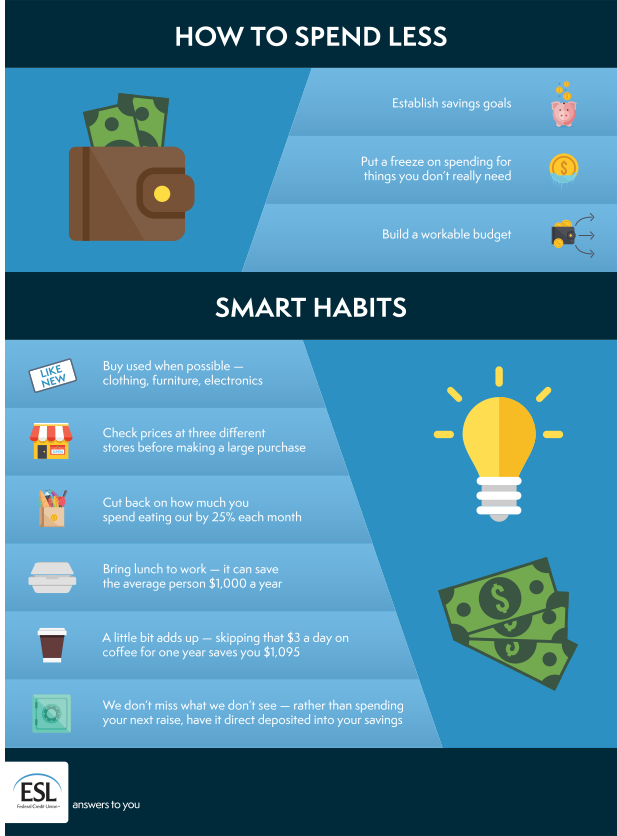
One of the key components of smart saving habits is cutting unnecessary expenses to free up more money for saving. Take a close look at your spending habits and identify areas where you can reduce or eliminate expenses. This could include cutting back on dining out, subscription services, or impulse purchases that add up over time. By being mindful of where your money is going, you can make conscious decisions to prioritize saving over unnecessary expenses.
To cut unnecessary expenses, start by creating a budget that outlines your income and expenses each month. Look for areas where you can reduce spending, such as canceling unused gym memberships, cooking at home instead of eating out, or shopping for discounted items. Consider creating a spending plan that allocates a certain amount of money for essentials like bills and groceries, while setting aside a portion for savings. By being intentional with your spending, you can make room for saving without sacrificing your quality of life.

In addition to cutting unnecessary expenses, consider negotiating with service providers to lower your monthly bills or seeking out discounts and promotions to save money on essential purchases. By being proactive in finding ways to reduce costs, you can maximize your savings potential and reach your financial goals faster. Remember, every dollar saved is a dollar closer to achieving your dreams, so make saving a priority in your daily life.
4. Building an Emergency Fund
Building an emergency fund is a crucial aspect of smart saving habits that provides financial security and peace of mind. An emergency fund is a savings account set aside for unexpected expenses, such as medical bills, car repairs, or job loss. By having a financial cushion to fall back on, you can avoid going into debt or dipping into your long-term savings in times of crisis.
To build an emergency fund, start by setting a specific savings goal, such as three to six months’ worth of living expenses. Calculate your monthly living costs, including rent, utilities, groceries, and transportation, and multiply that amount by the number of months you want to save for. Create a separate savings account dedicated to your emergency fund, and contribute a portion of your income towards it regularly.
In addition to setting up a dedicated savings account, consider automating your contributions to your emergency fund to ensure consistent and steady progress. Treat your emergency fund as a non-negotiable expense, just like paying your bills, and prioritize saving for it each month. Remember, emergencies can happen at any time, so having an emergency fund in place is vital for your financial health and stability.
Once you have built your emergency fund, make sure to keep it separate from your other savings accounts and only use it for true emergencies. Avoid tapping into your emergency fund for non-essential expenses, and replenish any funds you withdraw as soon as possible. By having a well-funded emergency fund, you can face unexpected challenges with confidence and resilience, knowing that you have a safety net to rely on.
5. Setting Up a Retirement Account
Setting up a retirement account is an essential step towards securing your financial future and developing smart saving habits. Whether it’s a 401(k), IRA, or Roth IRA, having a dedicated retirement account allows you to save for retirement while taking advantage of tax benefits and employer contributions. By starting early and consistently contributing to your retirement account, you can grow your savings over time and enjoy a comfortable retirement.
When setting up a retirement account, consider your long-term financial goals and investment preferences. Determine how much you can afford to contribute each month based on your income and expenses, and set up automatic transfers to your retirement account to ensure consistent savings. Take advantage of any employer matching contributions or tax benefits offered through your retirement plan to maximize your savings potential.
In addition to setting up a retirement account, regularly review and adjust your investment strategy to align with your risk tolerance and financial goals. Consider diversifying your portfolio to spread out risk and maximize returns, and seek guidance from a financial advisor if needed. By being proactive and informed about your retirement savings, you can make strategic decisions that will benefit you in the long run.
Remember, saving for retirement is a marathon, not a sprint, so stay committed to your saving goals and stay focused on your long-term financial security. By prioritizing your retirement savings and making it a consistent habit, you can build a nest egg that will support you in your golden years and beyond.
6. Avoiding Impulse Buys
Avoiding impulse buys is a crucial aspect of developing smart saving habits and staying on track towards reaching your financial goals. Impulse purchases are spontaneous, unplanned expenses that can quickly add up and derail your saving progress. By being mindful of your spending habits and practicing self-control, you can avoid unnecessary purchases and prioritize saving instead.
To avoid impulse buys, create a shopping list before heading to the store or shopping online, and stick to it. This will help you stay focused on buying only what you need and prevent you from being tempted by flashy sales or promotions. Consider implementing a 24-hour rule for non-essential purchases, where you wait a day before making a buying decision to determine if it’s a want or a need.
In addition to creating a shopping list, set a budget for discretionary spending each month and track your purchases to stay within your limit. Consider using cash instead of credit cards for in-person transactions to prevent overspending and limit your exposure to impulse buys. By being mindful of your spending and making intentional purchasing decisions, you can avoid impulse buys and save money for what truly matters to you.
Remember, every dollar saved is a step closer to achieving your financial goals, so stay disciplined and focused on your saving journey. By avoiding impulse buys and prioritizing saving, you can build a solid financial foundation that will benefit you in the long run.
7. Comparison Shopping
Comparison shopping is a savvy saving habit that can help you get the best value for your money and stretch your budget further. By comparing prices, brands, and features before making a purchase, you can make informed decisions and save money on essential items. Whether it’s shopping for groceries, clothing, electronics, or services, taking the time to research and compare options can lead to significant savings over time.
To practice comparison shopping, start by researching different retailers, both online and in-store, to find the best deals and promotions. Consider using price comparison websites or apps to quickly compare prices across multiple retailers and identify the best value for your money. Look for sales, discounts, and coupons to maximize your savings on big-ticket items or everyday purchases.
In addition to comparing prices, consider evaluating the quality and reviews of products before making a purchase to ensure you’re getting the best value for your money. Look for brands with a reputation for durability and reliability, even if they come at a higher price, to avoid frequent replacements and costly repairs down the line. By being informed and strategic in your purchasing decisions, you can make the most of your budget and save money in the long run.
Remember, saving money through comparison shopping isn’t about depriving yourself of quality or comfort but rather about making smart choices that align with your financial goals. By being proactive in researching and comparing prices, you can make informed decisions that benefit your wallet and your overall well-being.