1. Plan Your Meals Ahead
Planning your meals ahead of time can help you save money on groceries. Take some time each week to plan out your meals for the upcoming week. This will allow you to create a grocery list based on the ingredients you need for those meals, helping you avoid impulse purchases. When planning your meals, consider using ingredients that are on sale or in season to further save money.
Another benefit of meal planning is that it can help reduce food waste. By knowing exactly what you need for each meal, you can buy only the necessary ingredients, reducing the likelihood of unused food going bad and needing to be thrown out. Meal planning can also save you time during the week as you won’t have to think about what to make for dinner each night.
In addition to saving money and reducing food waste, meal planning can also help you eat healthier. When you plan your meals ahead of time, you are more likely to make nutritious choices and avoid the temptation of ordering takeout or eating out.
2. Shop with a Grocery List
One of the most important grocery budgeting tips is to shop with a list. Before heading to the store, take inventory of what you already have at home and create a list of the items you need. Stick to your list while shopping and avoid impulse purchases. This will help you stay on budget and avoid buying items you don’t actually need.

When creating your grocery list, consider organizing it by category to make your shopping trip more efficient. Group similar items together, such as fruits and vegetables, dairy products, and pantry staples. This can help you navigate the store more easily and ensure you don’t forget anything on your list.
To further save money, consider using coupons or shopping at discount stores. Look for sales and promotions on the items you need and consider buying in bulk for items you use frequently. By being mindful of your grocery list and shopping strategically, you can save money on your weekly grocery bill.
3. Buy Generic Brands
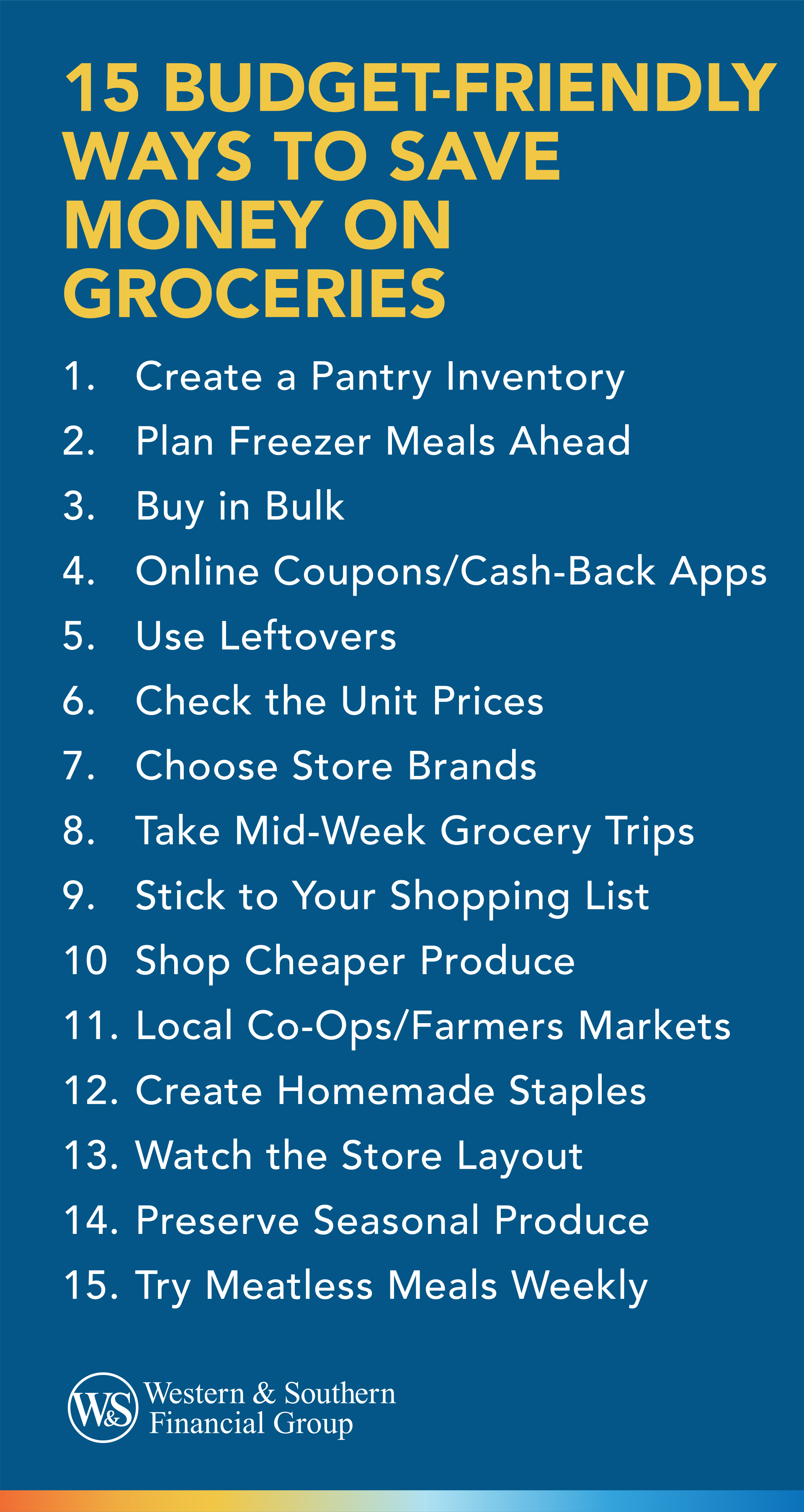
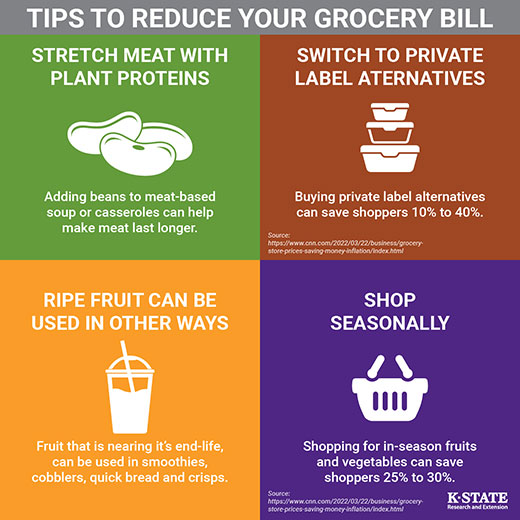
When trying to save money on groceries, consider buying generic or store-brand products instead of name brands. Generic brands are often cheaper than name brands but can be just as high quality. Compare prices and ingredients to see if there is a significant difference between the two, and opt for the generic brand if not.
Many grocery stores offer their own brand of products, which can be significantly cheaper than name brands. These store-brand products are often just as good as name brands but cost less. By choosing generic brands over name brands, you can save money without sacrificing quality.

In addition to generic brands, consider buying items in bulk or larger quantities. This can help lower the cost per unit and save you money in the long run. Look for deals on bulk items or consider joining a warehouse club to take advantage of discounts on bulk purchases.
4. Shop in Season
Another grocery budgeting tip is to shop for fruits and vegetables that are in season. In-season produce is often cheaper and higher quality than out-of-season produce. By buying fruits and vegetables that are in season, you can save money on your grocery bill and enjoy the freshest produce available.
To determine what produce is in season, check your local farmers’ market or grocery store for seasonal offerings. In-season produce is typically abundant and priced lower than out-of-season produce, making it a budget-friendly option. Look for recipes that feature in-season produce to make the most of your grocery budget.
In addition to fruits and vegetables, consider buying other seasonal items such as meats or dairy products. Seasonal items are often on sale or discounted, making them a cost-effective choice for your grocery budget. By shopping in season, you can save money and enjoy the best-tasting ingredients available.
5. Avoid Shopping Hungry
One common mistake people make when grocery shopping is going to the store hungry. Shopping on an empty stomach can lead to impulse purchases and buying items you don’t actually need. To avoid overspending, make sure to eat a meal or snack before heading to the grocery store.
Another way to avoid shopping hungry is to bring a shopping list and stick to it. By planning your meals ahead of time and creating a list of the items you need, you can avoid the temptation of buying unnecessary items while hungry. Stick to your list and avoid wandering the aisles looking for something to eat.
If you find yourself feeling hungry while shopping, consider bringing a snack with you to the store. Pack a small snack such as a granola bar or piece of fruit to keep your hunger at bay while shopping. By avoiding shopping hungry, you can make more informed choices and stick to your grocery budget.
6. Use Cash Back Apps
To save money on groceries, consider using cash back apps or websites that offer rebates on your purchases. These apps allow you to earn cash back on certain items by scanning your receipts or linking your loyalty cards. Look for apps that offer cash back on groceries and take advantage of the savings.
Some popular cash back apps for groceries include Ibotta, Checkout 51, and SavingStar. These apps offer cash back on a variety of grocery items, from produce to pantry staples. Simply scan your receipt after shopping and earn cash back on eligible purchases.
In addition to cash back apps, consider using coupons or loyalty programs to save money on groceries. Many grocery stores offer digital coupons that can be loaded onto your loyalty card and automatically applied at checkout. By combining coupons, cash back apps, and loyalty programs, you can maximize your savings on groceries.
7. Cook at Home
One of the best ways to save money on groceries is to cook at home instead of eating out. Cooking your meals at home is generally cheaper than dining out and allows you to control the ingredients and portion sizes of your meals. By cooking at home, you can save money and eat healthier.
To save time and money, consider meal prepping or batch cooking your meals for the week. Spend a few hours on the weekend preparing meals in advance and storing them in the refrigerator or freezer. This can help you save time during the week and avoid the temptation of ordering takeout.
In addition to saving money, cooking at home can also be a fun and rewarding experience. Try new recipes, experiment with different ingredients, and involve your family in the cooking process. By cooking at home, you can save money, eat healthier, and enjoy delicious meals made with love.
8. Track Your Spending
One of the most important grocery budgeting tips is to track your spending and stay within your budget. Keep a record of your grocery purchases and compare them to your budget to see where you can make changes. By tracking your spending, you can identify areas where you may be overspending and make adjustments.
To track your spending, consider using a budgeting app or spreadsheet to keep a record of your grocery purchases. Monitor your spending each week and compare it to your budget to see if you are staying on track. Look for patterns in your spending and adjust your grocery budget as needed.
In addition to tracking your spending, consider setting goals for your grocery budget and challenging yourself to stick to them. Set a weekly or monthly budget for groceries and try to stay within that amount. By tracking your spending and setting goals, you can stay on budget and save money on groceries.
Conclusion
In conclusion, grocery budgeting is an important aspect of managing your finances and saving money. By following these tips, such as planning your meals ahead, shopping with a grocery list, and buying generic brands, you can lower your grocery bill and save money. Consider shopping in season, avoiding shopping hungry, using cash back apps, cooking at home, and tracking your spending to further maximize your savings. With a little planning and mindfulness, you can stick to your grocery budget and still enjoy delicious and nutritious meals. Remember to prioritize your needs, avoid impulse purchases, and make the most of your grocery budget. Happy shopping and happy saving!