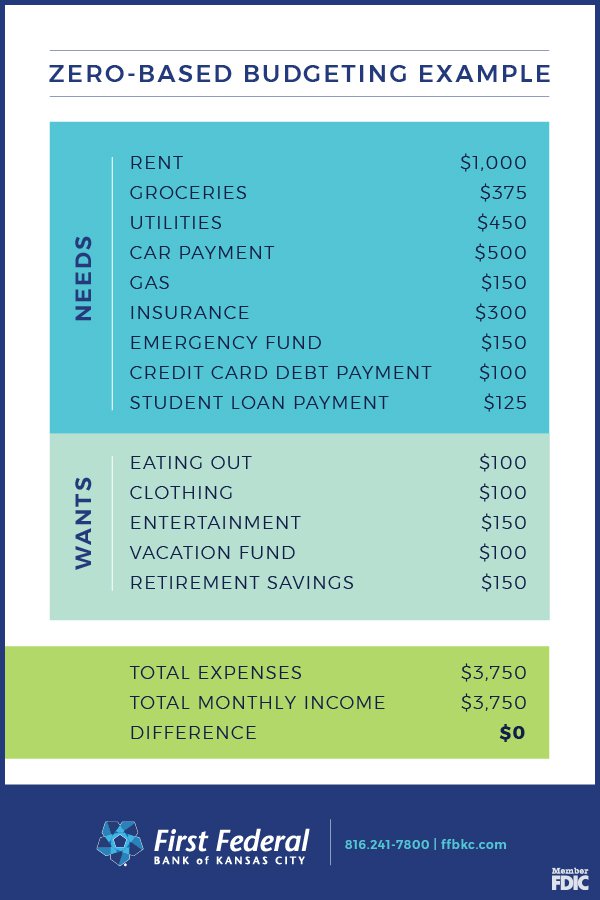
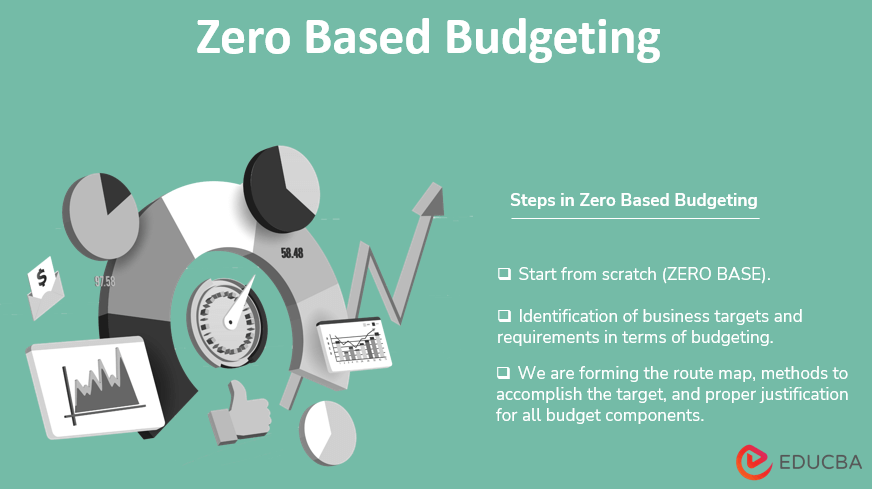
Zero-based budgeting is a method of budgeting that starts from a zero base, meaning that every line item in the budget must be justified for each new period. This differs from traditional budgeting methods, where budgets are typically based on previous period’s budgets or slight variations from them. Zero-based budgeting requires managers to justify all expenses, not just increases in expenses, which can lead to a more efficient allocation of resources. This method is particularly useful for identifying and eliminating unnecessary or redundant expenses, as well as for prioritizing spending based on current needs and goals.
Benefits of Zero-Based Budgeting
One of the key benefits of zero-based budgeting is that it forces managers to reevaluate every expense, which can lead to cost savings and improved efficiency. By starting from zero and justifying each expense, companies can identify areas where they are overspending or where costs can be cut without sacrificing quality or productivity. This can be especially important during times of economic uncertainty or when resources are limited.

Another benefit of zero-based budgeting is that it can help align spending with strategic goals and priorities. By requiring managers to justify each expense based on its contribution to the overall goals of the organization, zero-based budgeting can ensure that resources are allocated to the most important initiatives. This can help prevent budget creep, where expenses gradually increase without a corresponding increase in value or ROI.
Zero-based budgeting can also improve accountability and transparency within an organization. Because every expense must be justified, managers are held accountable for their spending decisions and must be able to clearly explain why certain expenses are necessary. This can help prevent wasteful spending and promote a culture of fiscal responsibility within the organization.
Challenges of Implementing Zero-Based Budgeting

While zero-based budgeting can offer significant benefits, it also comes with its own set of challenges. One of the main challenges of implementing zero-based budgeting is the time and effort required to justify every expense. This can be a resource-intensive process, especially for larger organizations with complex budgets. Managers may need to spend significant time gathering data, analyzing expenses, and making a case for each line item, which can be a drain on productivity.
Another challenge of zero-based budgeting is the potential for resistance from employees who are used to more traditional budgeting methods. Employees may be accustomed to having a set budget each period and may feel overwhelmed by the prospect of justifying every expense from scratch. This can lead to pushback and resistance to the new budgeting process, which can hinder its effectiveness.
Additionally, zero-based budgeting can be more difficult to implement in certain industries or types of organizations. For example, organizations with high fixed costs or those in highly regulated industries may find it challenging to implement zero-based budgeting due to the constraints on their spending flexibility. In these cases, a more flexible budgeting approach may be more appropriate.
Best Practices for Zero-Based Budgeting
To successfully implement zero-based budgeting, organizations should follow a few key best practices. First, it’s important to involve all relevant stakeholders in the budgeting process. This includes not only finance and accounting teams, but also department heads, managers, and other key decision-makers. By involving a diverse group of stakeholders in the budgeting process, organizations can ensure that all perspectives are considered and that budgets are aligned with strategic goals.

Second, organizations should clearly define their goals and priorities before beginning the budgeting process. By understanding what the organization is trying to achieve and what resources are needed to support those goals, managers can make more informed decisions about where to allocate resources. This can help ensure that budgets are focused on initiatives that will drive the most value for the organization.
Finally, organizations should regularly review and update their budgets throughout the year. Zero-based budgeting is not a one-time exercise, but rather an ongoing process that requires continuous evaluation and adjustment. By regularly reviewing budgets and making adjustments as needed, organizations can ensure that their spending remains aligned with their strategic goals and that resources are being allocated effectively.
Conclusion
In conclusion, zero-based budgeting is a powerful tool for organizations looking to improve cost efficiency, align spending with strategic goals, and promote accountability and transparency. While zero-based budgeting can be challenging to implement and require significant time and effort, the benefits it offers can make it well worth the investment. By following best practices and regularly reviewing and updating budgets, organizations can make the most of the zero-based budgeting method and drive better financial outcomes.