
The Importance of Setting Financial Goals
Setting financial goals is essential for achieving financial success. Without clear goals in place, it can be challenging to stay motivated and focused on your financial journey. Financial goals help you prioritize your spending, save for the future, and make informed decisions about your money. By setting specific, measurable, achievable, relevant, and time-bound (SMART) goals, you can track your progress and make adjustments as needed to stay on track.
One of the benefits of setting financial goals is that it gives you something to strive for. When you have a clear vision of what you want to achieve, you are more likely to make the necessary sacrifices and changes to reach your goals. Financial goals also help you stay accountable and disciplined with your money. By setting specific goals, you can measure your progress and celebrate your achievements along the way.
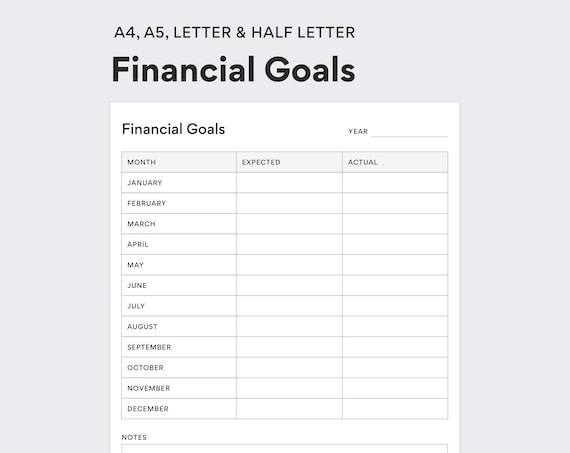
In addition to providing motivation and accountability, financial goals also help you make informed decisions about your money. When you have clear goals in place, it becomes easier to prioritize your spending and cut back on unnecessary expenses. By knowing what you are working towards, you can make smarter choices about how you use your money and avoid impulse purchases that may derail your progress.
What is a Financial Goals Planner?
A financial goals planner is a tool or system that helps you set, track, and achieve your financial goals. It can come in many forms, such as a spreadsheet, app, or physical planner. The purpose of a financial goals planner is to provide a structured way to define your goals, create a plan to achieve them, and monitor your progress over time.
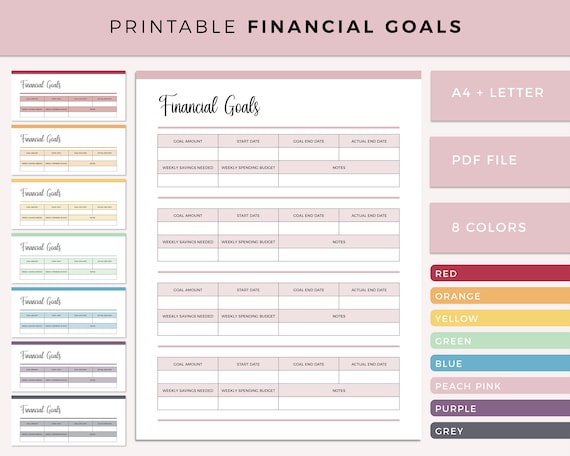
One of the key features of a financial goals planner is its ability to break down your goals into smaller, actionable steps. By breaking your goals into manageable tasks, you can make progress towards your goals more effectively and stay motivated along the way. A financial goals planner can also help you prioritize your goals, set deadlines, and allocate resources to achieve them.
Another benefit of using a financial goals planner is that it provides a visual representation of your progress. Many planners come with charts, graphs, or progress trackers that allow you to see how far you have come and what steps you still need to take. This visual feedback can be a powerful motivator and help you stay focused on your goals, even when the going gets tough.
Types of Financial Goals
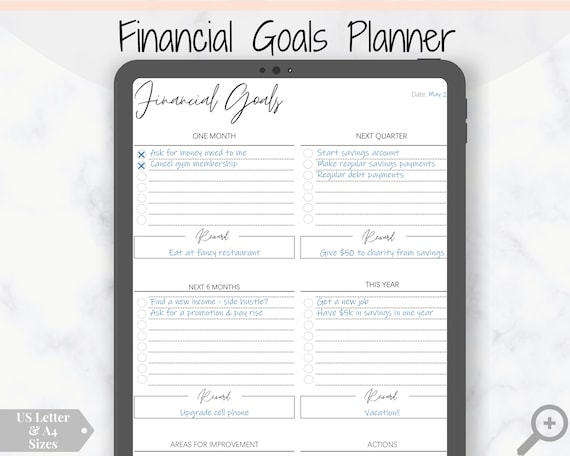
There are many different types of financial goals that you can set, depending on your individual circumstances and priorities. Some common types of financial goals include saving for retirement, building an emergency fund, paying off debt, buying a home, or starting a business. It is important to set a mix of short-term, medium-term, and long-term goals to ensure that you are making progress in all areas of your financial life.
Short-term financial goals are those that you can achieve within a year or less. These goals could include building an emergency fund, paying off a credit card, or saving for a vacation. Short-term goals are important because they provide quick wins and keep you motivated to continue working towards your larger goals.
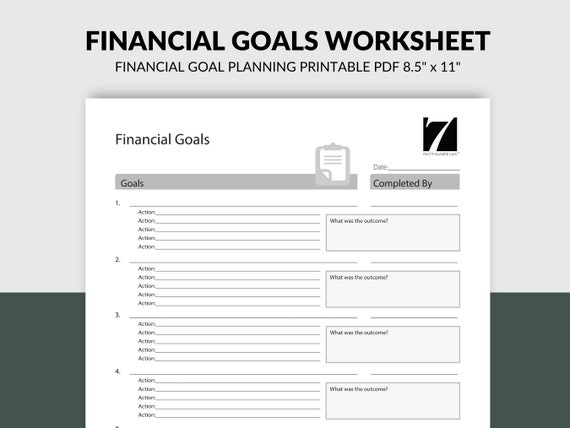
Medium-term financial goals are those that you can achieve within one to five years. These goals could include saving for a down payment on a house, starting a college fund for your children, or paying off a car loan. Medium-term goals require more planning and commitment than short-term goals but are still achievable with consistent effort.
Long-term financial goals are those that you hope to achieve in five years or more. These goals could include saving for retirement, paying off a mortgage, or building a sizable investment portfolio. Long-term goals require patience, discipline, and a long-term perspective to achieve, but they can provide financial security and peace of mind in the future.
How to Set Financial Goals

Setting financial goals is a crucial step in achieving financial success. To set effective financial goals, follow these steps:
1. Define your goals: Start by identifying what you want to achieve with your money. Whether it is saving for retirement, paying off debt, or buying a home, make sure your goals are specific and measurable.
2. Prioritize your goals: Once you have identified your goals, prioritize them based on their importance and urgency. Decide which goals to focus on first and which ones can wait.
3. Set SMART goals: Make sure your goals are specific, measurable, achievable, relevant, and time-bound. This will help you stay focused and track your progress over time.
4. Create a plan: Develop a detailed plan of action to achieve your goals. Break down your goals into smaller, actionable steps and set deadlines for each task.
5. Monitor your progress: Regularly review your progress towards your goals and make adjustments as needed. Keep track of your spending, savings, and investments to ensure you are on track to achieve your goals.
Benefits of Using a Financial Goals Planner
Using a financial goals planner can provide many benefits to help you achieve your financial goals. Some of the key benefits of using a financial goals planner include:
1. Organization: A financial goals planner helps you stay organized by keeping all of your financial goals and plans in one place. This can make it easier to track your progress, make adjustments, and stay on top of your finances.
2. Motivation: Seeing your goals written down and tracking your progress can be a powerful motivator to keep you focused on your financial goals. A financial goals planner can help you stay motivated and committed to achieving your goals.
3. Accountability: A financial goals planner holds you accountable for your financial decisions and actions. By setting clear goals and tracking your progress, you can hold yourself accountable for your financial success and make the necessary changes to stay on track.
4. Financial Awareness: Using a financial goals planner can help you become more aware of your financial situation and priorities. By setting goals, creating a plan, and tracking your progress, you can gain a better understanding of your finances and make more informed decisions about your money.
Best Practices for Achieving Financial Goals
To increase your chances of achieving your financial goals, follow these best practices:
1. Be specific: Make sure your goals are specific and measurable so you can track your progress and make adjustments as needed.
2. Set deadlines: Assign deadlines to your goals to create a sense of urgency and keep you motivated to achieve them.
3. Break down your goals: Break your goals into smaller, manageable tasks to make progress more achievable and stay motivated along the way.
4. Review and adjust: Regularly review your progress towards your goals and make adjustments as needed. Be flexible and willing to adapt your plan as circumstances change.
5. Celebrate your achievements: Celebrate your successes along the way to stay motivated and encouraged to continue working towards your financial goals.
Conclusion
Setting and achieving financial goals is a crucial step in achieving financial success and security. By defining your goals, creating a plan, and using a financial goals planner, you can stay organized, motivated, and accountable for your financial decisions. Whether your goals are short-term, medium-term, or long-term, following best practices and staying focused on your goals can help you achieve financial success and peace of mind in the future. Start setting your financial goals today and take control of your financial future.