
Investing for Cash Flow: A Guide to Building Passive Income
Understanding Cash Flow Investing
Cash flow investing is a strategy where an investor seeks to generate income on a regular basis from their investment portfolio. This is achieved by investing in assets that produce a steady stream of income, such as dividend-paying stocks, rental properties, or bonds. The goal of cash flow investing is to create passive income that can cover expenses or supplement other sources of income.
One of the key benefits of cash flow investing is the ability to build a sustainable source of income that can provide financial security in the long term. By focusing on investments that generate cash flow, investors can create a steady stream of income that is not reliant on the ups and downs of the stock market. This can provide peace of mind and financial stability, especially during times of economic uncertainty.
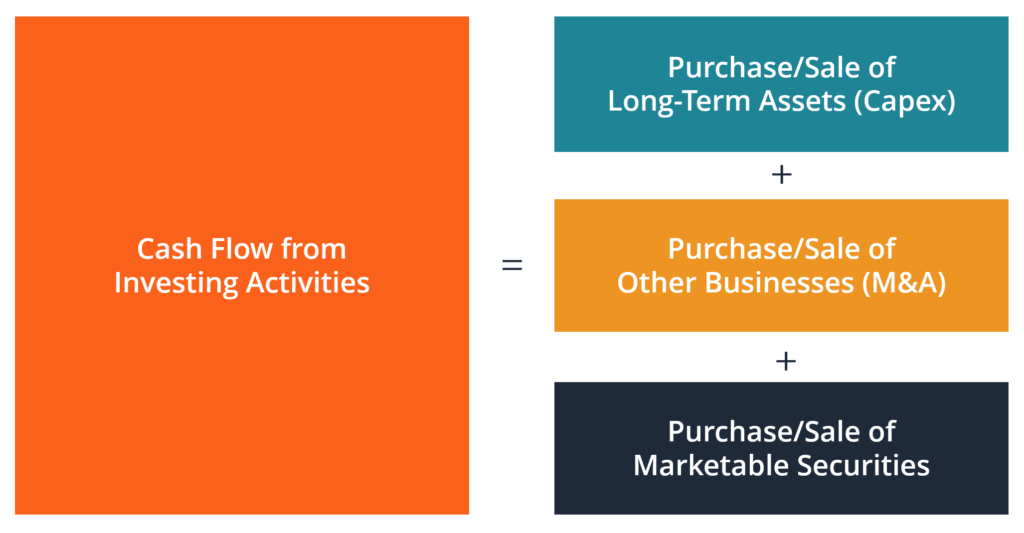
When considering cash flow investing, it is important for investors to carefully evaluate the potential risks and rewards of each investment. While cash flow investments can provide a steady income stream, they may also come with risks such as market fluctuations, tenant turnover, or changes in interest rates. By conducting thorough research and due diligence, investors can make informed decisions to build a diversified portfolio that can generate reliable cash flow over time.
Types of Cash Flow Investments
There are several types of investments that can generate cash flow for investors. One common type of cash flow investment is dividend-paying stocks, which are shares of companies that distribute a portion of their profits to shareholders in the form of dividends. These dividends can provide investors with a source of passive income that can be reinvested or used to cover expenses.

Another popular cash flow investment is rental properties, where investors purchase real estate properties to rent out to tenants. Rental properties can provide a steady stream of rental income, which can be used to cover mortgage payments, property maintenance, and other expenses. While rental properties can be a lucrative cash flow investment, they also require active management and maintenance to ensure profitability.
Bonds are another type of cash flow investment that can provide investors with a predictable stream of interest income. When investors purchase bonds, they are essentially lending money to the bond issuer in exchange for regular interest payments and the return of the principal investment at maturity. Bonds are considered a relatively low-risk investment compared to stocks and real estate, making them a popular choice for investors seeking stable cash flow.
Benefits of Cash Flow Investing
There are several benefits of cash flow investing that make it an attractive strategy for investors looking to build passive income. One of the main benefits of cash flow investing is the ability to generate a regular stream of income that can supplement other sources of income or cover expenses. This can provide investors with financial security and peace of mind, especially during retirement or economic downturns.
Cash flow investing also allows investors to build a diversified portfolio that can provide stability and protection against market volatility. By investing in assets that generate cash flow, investors can create a buffer against market fluctuations and reduce the risk of losing money during downturns. This can help investors achieve long-term financial goals and build wealth over time.
Additionally, cash flow investing can provide investors with the opportunity to grow their wealth through compounding returns. By reinvesting cash flow generated from investments, investors can accelerate the growth of their portfolio and increase their passive income over time. This can create a snowball effect that can lead to greater financial freedom and security in the future.
Risks of Cash Flow Investing
While cash flow investing can provide investors with a steady stream of income, it is not without its risks. One of the main risks of cash flow investing is the potential for investment losses, especially during economic downturns or market volatility. Investments that generate cash flow, such as dividend-paying stocks or rental properties, may be subject to fluctuations in value that can impact income levels.
Another risk of cash flow investing is the potential for changes in interest rates or rental market conditions that can affect the profitability of investments. For example, a rise in interest rates can increase borrowing costs for rental property owners, reducing cash flow and profitability. Similarly, changes in rental market demand or property values can impact the rental income generated from investment properties.
Additionally, cash flow investments may require active management and maintenance to ensure profitability and sustainability. For example, rental properties require ongoing maintenance, tenant management, and property inspections to maintain rental income levels. Similarly, dividend-paying stocks may require monitoring and analysis to ensure the sustainability of dividend payments and overall portfolio performance.
Strategies for Cash Flow Investing
There are several strategies that investors can use to build a successful cash flow investment portfolio. One common strategy is to focus on dividend-paying stocks, which can provide a reliable source of passive income through regular dividend payments. By investing in companies with a history of consistent dividend payments and strong financial performance, investors can build a portfolio that generates steady cash flow over time.
Another strategy for cash flow investing is to diversify across different asset classes, such as real estate, bonds, and dividend-paying stocks. By spreading investments across different asset classes, investors can reduce risk and increase the likelihood of generating consistent cash flow. This can provide stability and protection against market fluctuations, helping investors achieve long-term financial goals.
Additionally, investors can use leverage to increase the potential cash flow generated from investments. For example, investors can use leverage to purchase rental properties with a mortgage, allowing them to generate rental income that exceeds the cost of borrowing. While leverage can amplify returns, it also comes with increased risk, so investors should carefully consider their risk tolerance and investment goals before using leverage in their portfolio.
Building a Cash Flow Investment Portfolio
Building a successful cash flow investment portfolio requires careful planning, research, and strategy. One key step in building a cash flow investment portfolio is to set clear financial goals and objectives. By defining specific income targets, time horizons, and risk tolerance levels, investors can create a roadmap for building a portfolio that aligns with their financial needs and objectives.
Another important aspect of building a cash flow investment portfolio is to conduct thorough research and due diligence on potential investments. This includes analyzing the financial performance of companies, properties, or bonds, as well as evaluating market conditions and economic trends that may impact cash flow. By conducting thorough research, investors can make informed decisions that can lead to successful cash flow investments.
Diversification is also crucial when building a cash flow investment portfolio. By spreading investments across different asset classes, sectors, and geographic regions, investors can reduce risk and increase the likelihood of generating consistent cash flow. Diversification can help protect against losses in one asset class while potentially benefiting from gains in another, providing stability and long-term growth potential.
Monitoring and Adjusting Your Cash Flow Investments
Once you have built a cash flow investment portfolio, it is important to regularly monitor and adjust your investments to ensure they continue to meet your financial goals and objectives. This includes monitoring the performance of dividend-paying stocks, rental properties, bonds, and other cash flow investments to ensure they are generating the desired level of income and returns.
Monitoring your cash flow investments also involves staying informed about market conditions, economic trends, and changes in interest rates or rental market conditions that may impact the profitability of your investments. By staying informed and proactive, investors can make timely adjustments to their portfolio to mitigate risks and capitalize on opportunities for growth and income.
Additionally, investors should regularly review and rebalance their portfolio to ensure it remains diversified and aligned with their financial goals. This may involve reallocating assets, adding new investments, or reducing exposure to underperforming assets to optimize portfolio performance and cash flow. By regularly monitoring and adjusting your cash flow investments, you can maximize income potential and achieve long-term financial success.
Conclusion
In conclusion, investing for cash flow can be a powerful strategy for building passive income and achieving long-term financial goals. By focusing on investments that generate regular income, such as dividend-paying stocks, rental properties, and bonds, investors can create a steady stream of cash flow that can supplement other sources of income and provide financial security. While cash flow investing comes with risks, such as market fluctuations and changes in interest rates, it also offers benefits such as stability, diversification, and growth potential.
To build a successful cash flow investment portfolio, investors should set clear financial goals, conduct thorough research, diversify across asset classes, and monitor and adjust their investments regularly. By following these strategies and principles, investors can build a portfolio that generates reliable cash flow, protects against market volatility, and helps achieve financial freedom and security in the future.