
Understanding the Stock Market
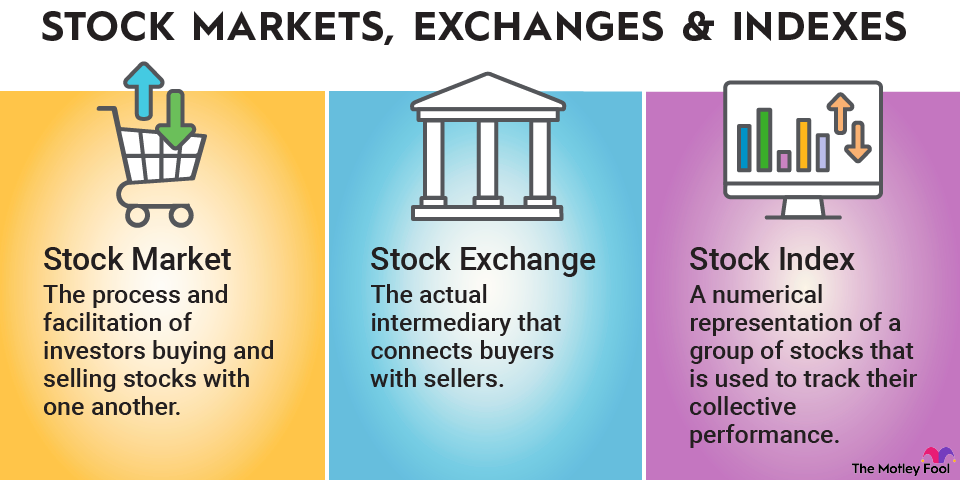
The stock market is a place where investors can buy and sell shares of publicly traded companies. When you buy a stock, you are buying a small piece of ownership in that company. The stock market is made up of exchanges like the New York Stock Exchange (NYSE) and the Nasdaq, where buyers and sellers meet to trade stocks. The stock market can be volatile, with prices fluctuating based on various factors such as economic indicators, company performance, and market trends.
Investing in the stock market can be a way to grow your wealth over time. Historically, the stock market has provided higher returns than other types of investments such as bonds or savings accounts. However, investing in the stock market also involves risk, as stock prices can go up or down unpredictably. It’s important to do your research and understand the risks before investing in the stock market.
One key concept to understand in the stock market is diversification. Diversification means spreading your investments across different asset classes and industries to reduce risk. By diversifying your portfolio, you can protect yourself from the impact of a downturn in any one sector or company. It’s important to have a well-balanced portfolio that includes a mix of stocks, bonds, and other investments to minimize risk and maximize returns.
Types of Stocks
There are several different types of stocks that you can invest in. Common stocks are the most common type of stock and represent ownership in a company. When you buy a common stock, you are entitled to vote on company decisions and receive dividends if the company is profitable. Preferred stocks are another type of stock that typically pays a fixed dividend and has priority over common stocks in the event of bankruptcy.

Blue-chip stocks are stocks of well-established, financially stable companies with a long history of reliable performance. These stocks are considered safe investments, as they tend to perform well even in tough economic times. Growth stocks, on the other hand, are stocks of companies that are expected to grow at a faster rate than the market average. These stocks can be more volatile but have the potential for higher returns.
Penny stocks are stocks of small, low-priced companies that are traded over-the-counter rather than on a major exchange. These stocks are considered high-risk investments, as they can be thinly traded and prone to manipulation. It’s important to do thorough research before investing in penny stocks to avoid potential scams or fraud.
How to Buy Stocks

Buying stocks is easier than ever with the advent of online trading platforms. To buy stocks, you’ll need to open a brokerage account with a reputable brokerage firm. Once you’ve funded your account, you can search for the stocks you want to buy and place an order through the brokerage’s website or mobile app. You can choose to buy stocks at the current market price or set a limit order to buy at a specific price.
When buying stocks, it’s important to do your research and understand the company’s financials and performance. You should also consider your investment goals and risk tolerance before making a purchase. It’s a good idea to diversify your portfolio by investing in a mix of stocks from different industries and sectors to reduce risk.
Another option for buying stocks is through mutual funds or exchange-traded funds (ETFs). These funds pool money from multiple investors to invest in a diversified portfolio of stocks. This can be a good option for investors who want a hands-off approach to investing or who prefer to have their investments managed by professionals. Mutual funds and ETFs offer diversification and can be a lower-cost alternative to buying individual stocks.
Stock Market Indices
Stock market indices are used to track the performance of a group of stocks in a particular market or sector. The most widely known stock market index is the Dow Jones Industrial Average, which tracks the performance of 30 large, publicly traded companies in the United States. Other popular indices include the S&P 500, which tracks the performance of 500 large-cap companies, and the Nasdaq Composite, which tracks the performance of over 2,500 stocks listed on the Nasdaq exchange.
Stock market indices are used by investors to gauge the overall health of the stock market and to compare the performance of their investments to the broader market. When an index goes up, it indicates that the stocks in that index are performing well, while a decrease in the index suggests that stocks are underperforming. Indices can also be used as benchmarks for tracking the performance of mutual funds or ETFs.
Investors can use stock market indices to gain insight into market trends and make informed decisions about their investments. By tracking the performance of various indices, investors can identify opportunities for growth and adjust their portfolios accordingly. It’s important to understand how stock market indices are calculated and what they represent in order to make informed investment decisions.
Stock Market Strategies
There are various strategies that investors can use to navigate the stock market and achieve their investment goals. One common strategy is buy-and-hold investing, where investors buy stocks and hold onto them for the long term. This strategy is based on the belief that the stock market will trend upwards over time, allowing investors to benefit from long-term growth.
Another strategy is value investing, where investors look for undervalued stocks that have the potential for growth. Value investors focus on the fundamentals of a company, such as its earnings, revenue, and assets, to determine if a stock is trading below its intrinsic value. By buying undervalued stocks, investors can potentially profit when the stock price rises to reflect the company’s true worth.
Day trading is a more active trading strategy where investors buy and sell stocks within the same trading day. Day traders aim to profit from short-term price fluctuations in the stock market by making quick trades based on technical analysis and market trends. Day trading can be risky, as it requires constant monitoring of the market and the ability to react quickly to changing conditions.
Risks of Investing in the Stock Market
Investing in the stock market comes with risks that investors should be aware of. One of the main risks is market risk, which is the risk that the overall stock market will decline, causing the value of your investments to decrease. Market risk is inherent in the stock market and can be influenced by a variety of factors such as economic conditions, political events, and market sentiment.
Another risk to consider is company-specific risk, which is the risk that an individual company will underperform or go bankrupt. Investing in a single stock exposes you to company-specific risk, as the success of your investment is tied to the performance of that one company. Diversification can help reduce company-specific risk by spreading your investments across multiple companies and industries.
Other risks to consider when investing in the stock market include inflation risk, interest rate risk, and currency risk. Inflation risk refers to the risk that the purchasing power of your investments will decrease over time due to rising prices. Interest rate risk is the risk that changing interest rates will affect the value of your investments, particularly bonds. Currency risk is the risk that changes in exchange rates will impact the value of investments denominated in foreign currencies.
Stock Market Terminology
Understanding the terminology used in the stock market is essential for investors to make informed decisions. Some common terms to know include:
– Bull market: A market in which stock prices are rising and investor confidence is high.
– Bear market: A market in which stock prices are falling and investor sentiment is negative.
– Dividend: A distribution of a portion of a company’s earnings to its shareholders.
– P/E ratio: Price-to-earnings ratio, which measures a company’s stock price relative to its earnings per share.
– Market cap: Market capitalization, which is the total value of a company’s outstanding shares of stock.
– Volatility: The degree of variation in a stock’s price over time.
By familiarizing yourself with these and other stock market terms, you can better understand market trends, analyze company performance, and make informed investment decisions. It’s important to continue learning and staying informed about the stock market to become a successful investor.
Conclusion
Investing in the stock market can be a rewarding way to grow your wealth over time, but it also comes with risks that investors should be aware of. By understanding the basics of the stock market, different types of stocks, how to buy stocks, stock market indices, and various investment strategies, you can make informed decisions about your investments. It’s important to do your research, diversify your portfolio, and stay informed about market trends to achieve your investment goals. With the right knowledge and approach, you can navigate the stock market with confidence and build a successful investment portfolio.