
Understanding the Basics of Investing
Investing can seem like a daunting task for beginners, but it doesn’t have to be. Before you start investing, it’s essential to understand some basic concepts. One of the first things you need to know is that investing is a way to grow your money over time. By investing in assets such as stocks, bonds, or real estate, you have the potential to earn a return on your investment.
Another crucial concept to understand is risk and return. Generally, the higher the risk of an investment, the higher the potential return. However, higher-risk investments also come with a greater chance of losing money. It’s essential to assess your risk tolerance before investing and choose investments that align with your financial goals.
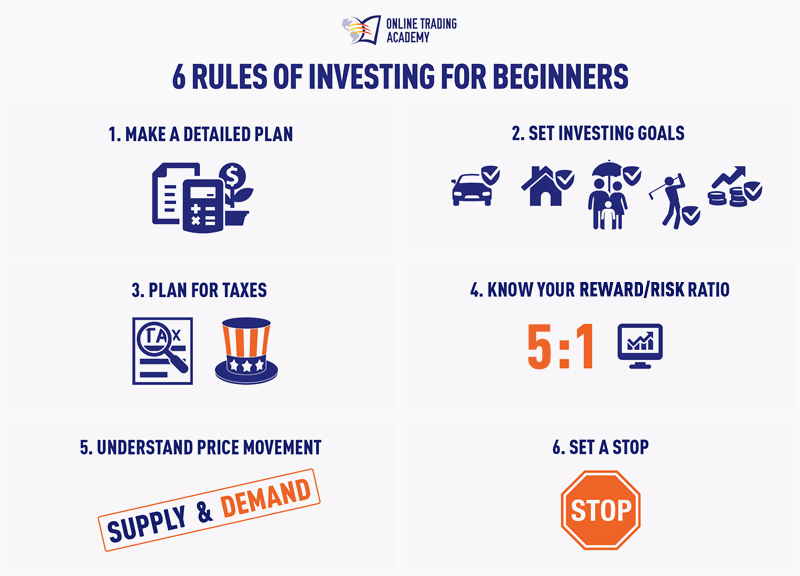
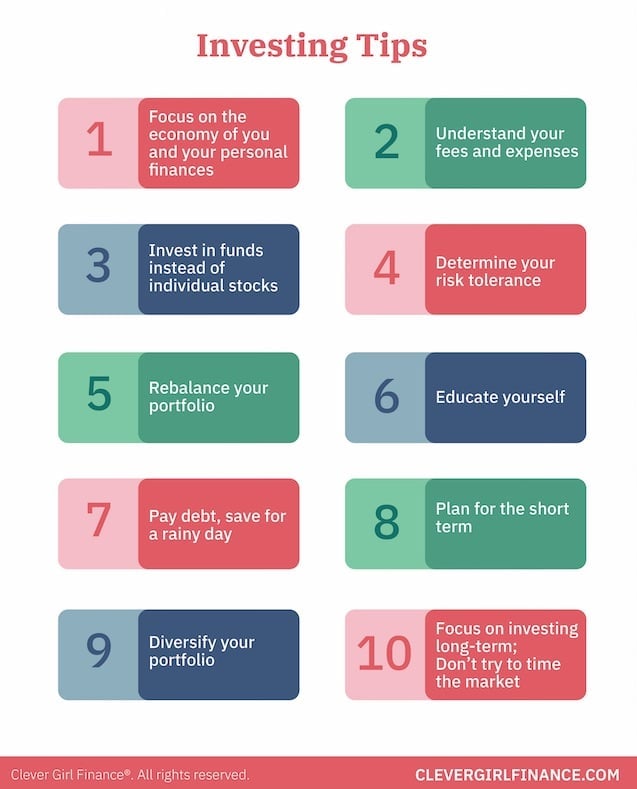
Diversification is another key concept to grasp when it comes to investing. Diversifying your portfolio by investing in a variety of assets can help reduce risk. By spreading your investments across different asset classes, industries, and geographic regions, you can minimize the impact of a single investment’s performance on your overall portfolio.
Setting Financial Goals
Before you start investing, it’s crucial to set specific financial goals. Are you investing for retirement, a down payment on a house, or your child’s education? Understanding your goals will help you determine your investment strategy and time horizon. It’s essential to have both short-term and long-term financial goals to guide your investment decisions.

Once you’ve identified your financial goals, you can create an investment plan to achieve them. Your investment plan should outline how much money you will invest, how often you will invest, and what types of investments you will make. By setting clear goals and creating a plan, you can stay focused and disciplined in your investment approach.
It’s also important to regularly review and adjust your financial goals and investment plan as your circumstances change. Life events such as marriage, the birth of a child, or a job change can impact your financial goals and risk tolerance. By revisiting your goals and investment plan regularly, you can ensure that your investments continue to align with your financial objectives.
Types of Investments
There are many different types of investments to choose from, each with its own risk and return profile. Stocks are ownership shares in a company and can offer significant potential for growth but come with a higher level of risk. Bonds, on the other hand, are debt securities issued by governments or corporations and are generally considered safer but offer lower returns.
Real estate is another popular investment option that can provide both income and appreciation potential. Real estate investments can include residential properties, commercial properties, or real estate investment trusts (REITs). Commodities such as gold, oil, and agricultural products can also be part of a diversified investment portfolio.
Mutual funds and exchange-traded funds (ETFs) are another way to invest in a diversified portfolio of assets. These investment vehicles pool money from multiple investors to invest in a diverse range of securities. Mutual funds and ETFs can offer diversification benefits and professional management for investors who may not have the time or expertise to manage their investments actively.
Strategies for Successful Investing
Successful investing requires a well-thought-out strategy and disciplined approach. One common strategy is dollar-cost averaging, which involves investing a fixed amount of money regularly, regardless of market conditions. By consistently investing over time, you can reduce the impact of market volatility on your portfolio and potentially benefit from market downturns.
Another strategy for successful investing is to focus on the long term. Trying to time the market or chase hot stocks can be risky and often lead to poor investment decisions. Instead, focus on building a diversified portfolio of quality investments and holding them for the long term. By taking a long-term view, you can ride out market fluctuations and benefit from the power of compounding over time.
It’s also essential to stay informed and educated about investing. Keep up with financial news, market trends, and investment strategies to make informed decisions about your investments. Consider working with a financial advisor or investment professional to help you develop a personalized investment plan and achieve your financial goals.
Risk Management in Investing
Risk management is a crucial aspect of successful investing. While all investments come with some level of risk, it’s essential to understand and manage that risk effectively. One way to manage risk is through diversification, as mentioned earlier. By spreading your investments across different asset classes, you can reduce the impact of a single investment’s poor performance on your overall portfolio.
Asset allocation is another key component of risk management. By allocating your investments across different asset classes such as stocks, bonds, and cash, you can further diversify your portfolio and manage risk. Consider your risk tolerance, time horizon, and financial goals when determining the appropriate asset allocation for your investment portfolio.
Regularly reviewing and rebalancing your portfolio is also essential for managing risk. Market fluctuations can cause your asset allocation to drift from your target allocation over time. By periodically rebalancing your portfolio, you can ensure that your investments remain aligned with your risk tolerance and financial goals.
Investing for Retirement
One of the most common financial goals for investors is saving for retirement. Investing for retirement requires a long-term approach and careful planning. One popular investment vehicle for retirement savings is the individual retirement account (IRA). IRAs offer tax advantages that can help you grow your retirement savings more quickly.
Another popular retirement savings option is an employer-sponsored retirement plan such as a 401(k) or 403(b). These plans allow you to contribute a portion of your salary to a retirement account on a tax-deferred basis. Many employers also offer matching contributions, which can further boost your retirement savings.
When investing for retirement, it’s essential to consider your time horizon, risk tolerance, and retirement goals. As you get closer to retirement, you may want to shift your investments to more conservative options to protect your savings from market volatility. Regularly reviewing and adjusting your retirement investment strategy can help ensure that you’re on track to meet your retirement goals.
Impact of Taxes on Investing
Taxes can have a significant impact on your investment returns, so it’s essential to consider the tax implications of your investments. One way to minimize taxes on your investments is to take advantage of tax-advantaged accounts such as IRAs or 401(k)s. These accounts offer tax benefits that can help you grow your savings more quickly.
Another tax-efficient investing strategy is to hold investments in tax-efficient accounts such as a Roth IRA or a taxable brokerage account. By investing in assets that generate capital gains or qualified dividends in a tax-efficient account, you can reduce the amount of taxes you owe on your investment returns.
It’s also essential to consider the timing of your investment sales to minimize the tax impact. Selling investments that you’ve held for more than a year can qualify for lower long-term capital gains tax rates. By strategically planning your investment sales, you can reduce the amount of taxes you owe and maximize your after-tax returns.
Monitoring and Adjusting Your Investments
Once you’ve started investing, it’s essential to monitor your investments regularly and make adjustments as needed. Market conditions, economic factors, and changes in your financial goals can all impact your investment portfolio. By staying informed and actively managing your investments, you can ensure that your portfolio remains aligned with your financial objectives.
Regularly reviewing your investments can help you identify underperforming assets or opportunities for rebalancing. Consider tracking the performance of your investments against relevant benchmarks to assess how well your portfolio is performing. If certain investments are consistently underperforming, it may be time to consider selling them and reallocating your funds to more promising opportunities.
It’s also important to revisit your financial goals and risk tolerance periodically to ensure that your investment strategy still aligns with your objectives. Life events such as marriage, the birth of a child, or a job change can impact your financial goals and risk tolerance. By adjusting your investment plan as needed, you can continue to progress toward your financial goals.
Conclusion
Investing for beginners can be an exciting and rewarding journey, but it’s essential to understand the fundamentals of investing before getting started. By understanding basic concepts such as risk and return, setting financial goals, and diversifying your portfolio, you can build a solid foundation for successful investing. Developing a well-thought-out investment strategy, managing risk effectively, and staying informed can help you achieve your financial goals and build wealth over time.
Remember that investing is a long-term endeavor, and patience and discipline are essential for success. Regularly reviewing and adjusting your investments, staying informed about market trends, and seeking professional advice when needed can help you navigate the complexities of investing and grow your wealth. With a clear understanding of your financial goals and a well-defined investment plan, you can set yourself up for a successful investing journey.