
Understanding Index Fund Investing
Index fund investing is a popular strategy for those looking to passively invest in the stock market. Index funds are mutual funds or exchange-traded funds (ETFs) that track a specific market index, such as the S&P 500 or the Dow Jones Industrial Average. By investing in an index fund, you are essentially buying a small piece of all the companies in that index, providing diversification and potentially lower fees compared to actively managed funds.
One of the key benefits of index fund investing is its simplicity. Instead of trying to pick individual stocks or time the market, index fund investors can simply buy and hold their funds, letting the market do the work for them. This passive approach can help reduce the stress and emotional decision-making that often comes with active trading.
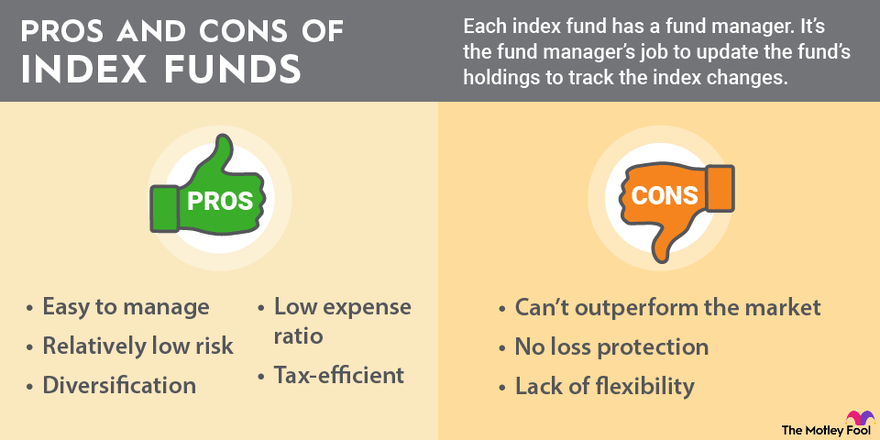
Another advantage of index fund investing is its low cost. Since index funds are designed to track a specific index rather than outperform it, they typically have lower management fees compared to actively managed funds. This can result in higher returns for investors over the long term, as fees can eat into investment returns over time.
Index fund investing is also a great way to achieve broad diversification in your portfolio. By investing in an index fund that tracks a specific market index, you are effectively spreading your risk across multiple companies and industries. This can help reduce the impact of volatility in any one stock or sector on your overall portfolio.
Choosing the Right Index Fund
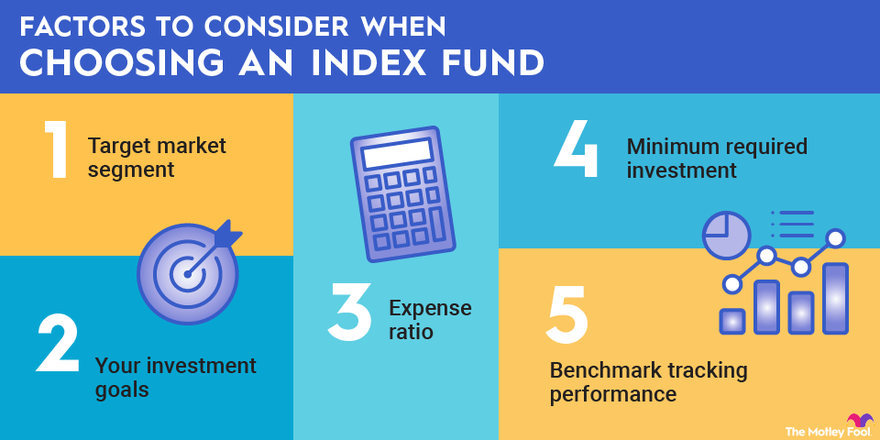
When it comes to index fund investing, there are a wide variety of options to choose from. Some of the most popular index funds track major market indexes, such as the S&P 500, while others focus on specific sectors or industries. When selecting an index fund, it’s important to consider your investment goals, risk tolerance, and time horizon.
One factor to consider when choosing an index fund is its expense ratio. This is the annual fee that the fund charges to cover its operating expenses. Lower expense ratios can result in higher returns for investors over time, so it’s important to compare expense ratios when evaluating different index funds.

Another factor to consider is the fund’s tracking error. This measures how closely the fund’s performance tracks its underlying index. A lower tracking error indicates that the fund is doing a better job of replicating the index’s returns, while a higher tracking error may indicate that the fund is not tracking the index as closely.
It’s also important to consider the fund’s past performance when selecting an index fund. While past performance is not indicative of future results, it can provide insight into how the fund has performed in different market conditions. Additionally, you may want to consider the fund’s historical volatility and performance relative to its benchmark index.
Benefits of Index Fund Investing
There are several benefits to index fund investing that make it an attractive option for investors looking to build long-term wealth. One of the key benefits of index fund investing is its low cost. Since index funds are passively managed and designed to track a specific market index, they typically have lower fees compared to actively managed funds. This can result in higher returns for investors over time, as fees can eat into investment returns.
Another benefit of index fund investing is its simplicity. Instead of trying to pick individual stocks or time the market, index fund investors can simply buy and hold their funds, letting the market do the work for them. This passive approach can help reduce the stress and emotional decision-making that often comes with active trading.
Index fund investing also provides broad diversification in your portfolio. By investing in an index fund that tracks a specific market index, you are effectively spreading your risk across multiple companies and industries. This can help reduce the impact of volatility in any one stock or sector on your overall portfolio, providing a more stable investment strategy.
Risks of Index Fund Investing
While index fund investing offers many benefits, there are also some risks to consider. One risk of index fund investing is market risk. Since index funds track a specific market index, they are subject to the ups and downs of the overall market. This means that if the market experiences a downturn, your index fund investment may also decline in value.
Another risk to consider is tracking error risk. While index funds are designed to track a specific market index, they may not always perfectly replicate the index’s returns due to factors such as fees, trading costs, and market conditions. This can result in a tracking error, which may impact the fund’s performance relative to its benchmark index.
Liquidity risk is another potential risk of index fund investing. While index funds are typically considered to be liquid investments, there may be times when market conditions make it difficult to buy or sell shares of an index fund at a fair price. This can impact your ability to access your investment when you need it most.
Strategies for Successful Index Fund Investing
When it comes to index fund investing, there are several strategies that can help you build a successful portfolio. One key strategy is to focus on broad diversification. By investing in index funds that track a variety of market indexes, sectors, and asset classes, you can spread your risk across multiple companies and industries, reducing the impact of volatility in any one stock or sector on your overall portfolio.
Another strategy is to regularly rebalance your portfolio. Over time, the performance of different market indexes and asset classes may vary, causing your portfolio to drift from its target allocation. By rebalancing your portfolio periodically, you can realign your investments with your long-term goals and risk tolerance, ensuring that your portfolio remains diversified and in line with your investment strategy.
It’s also important to stay focused on your long-term goals when investing in index funds. Market volatility and short-term fluctuations can be distracting, but it’s important to remember that investing is a marathon, not a sprint. By staying disciplined and sticking to your investment plan, you can weather market ups and downs and achieve your financial goals over time.
Tax Considerations for Index Fund Investing
When investing in index funds, it’s important to consider the tax implications of your investments. One key consideration is capital gains taxes. If your index fund investment has appreciated in value and you sell your shares for a profit, you may be subject to capital gains taxes on the realized gains. This can impact your after-tax returns, so it’s important to understand the tax consequences of selling your index fund shares.
Another tax consideration is dividend income. Many index funds pay dividends to their investors, which are typically taxed as ordinary income. If you receive dividends from your index fund investment, you may need to report this income on your tax return and pay taxes on it at your marginal tax rate.
It’s also important to consider the tax efficiency of your index fund investments. Some index funds are more tax-efficient than others, meaning that they generate fewer taxable events, such as capital gains distributions. By investing in tax-efficient index funds, you can potentially reduce the tax impact on your investment returns over time.
Long-Term vs. Short-Term Index Fund Investing
One of the key decisions to make when investing in index funds is whether to take a long-term or short-term approach. Long-term index fund investing involves buying and holding your investments for an extended period of time, typically five years or more. This approach is based on the belief that over the long term, the market will trend upward, providing positive returns for investors.
Short-term index fund investing, on the other hand, involves buying and selling index fund shares in a shorter time frame, typically less than one year. This approach is more focused on timing the market and taking advantage of short-term fluctuations in stock prices. While short-term investing can potentially result in higher returns in the short term, it also comes with higher risks and increased volatility.
Ultimately, the decision to take a long-term or short-term approach to index fund investing will depend on your investment goals, risk tolerance, and time horizon. If you have a long-term investment horizon and are looking to build wealth over time, a long-term approach may be more suitable. If you are comfortable with higher risks and are looking to generate returns in the short term, a short-term approach may be more appropriate.
Conclusion
Index fund investing is a popular and effective strategy for building long-term wealth in the stock market. By investing in index funds that track specific market indexes, investors can achieve broad diversification, low costs, and potentially higher returns over time. When selecting an index fund, it’s important to consider factors such as expense ratios, tracking error, and past performance to make an informed decision.
While index fund investing offers many benefits, there are also risks to consider, such as market risk, tracking error risk, and liquidity risk. By understanding these risks and implementing strategies such as broad diversification, portfolio rebalancing, and long-term focus, investors can build a successful index fund portfolio.
It’s also important to consider the tax implications of index fund investing, such as capital gains taxes, dividend income, and tax efficiency. By understanding the tax consequences of your investments and investing in tax-efficient index funds, you can minimize the impact of taxes on your overall investment returns.
Whether taking a long-term or short-term approach to index fund investing, it’s important to stay disciplined, focused on your goals, and committed to your investment plan. By following these principles and staying informed about market trends and developments, investors can navigate the stock market with confidence and achieve their financial goals over time.