
Setting Personal Financial Goals
Setting personal financial goals is crucial for achieving financial success and stability. Without clear goals in mind, it can be easy to get off track and lose sight of what you’re working towards. When setting financial goals, it’s important to be specific, measurable, achievable, relevant, and time-bound. This is often referred to as the SMART goal-setting framework. By following this framework, you can ensure that your goals are realistic and attainable.
One common financial goal is to save a certain amount of money for a specific purpose, such as buying a house or going on a dream vacation. By setting a specific amount to save and a timeline for reaching that goal, you can create a plan for how to achieve it. It’s also important to regularly track your progress towards your goal and make adjustments as needed. This can help you stay motivated and focused on your financial goals.
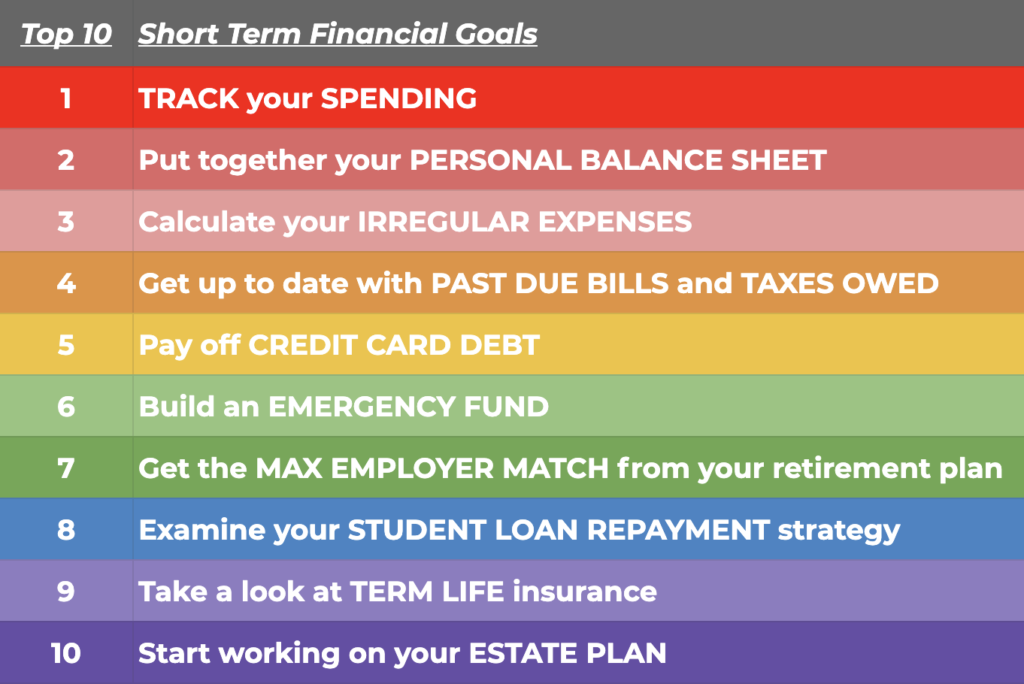
Another important financial goal is to pay off debt. Whether it’s credit card debt, student loans, or a mortgage, carrying debt can be a significant burden on your financial health. By setting a goal to pay off your debt, you can create a plan for how to become debt-free. This may involve making extra payments each month, cutting back on expenses, or finding ways to increase your income. By having a clear goal in mind, you can stay motivated and committed to paying off your debt.
Investing for the future is another common financial goal. Whether it’s saving for retirement, building an emergency fund, or investing in the stock market, having a plan for your investments can help you achieve long-term financial security. By setting specific investment goals, such as a target amount to save or a target return on investment, you can create a plan for how to reach them. It’s important to regularly review and adjust your investment strategy as needed to ensure that you’re on track to meet your goals.
Types of Personal Financial Goals

There are several different types of personal financial goals that individuals may have, depending on their financial situation and priorities. Some common types of financial goals include short-term goals, such as saving for a vacation or paying off credit card debt, as well as long-term goals, such as saving for retirement or buying a home. By setting both short-term and long-term financial goals, you can create a plan for achieving financial success over time.
Emergency savings goals are another important type of financial goal. Having an emergency fund can provide a financial safety net in case of unexpected expenses, such as medical bills or car repairs. By setting a specific amount to save in your emergency fund, you can ensure that you have the resources to handle any financial emergencies that may arise. It’s recommended to have at least three to six months’ worth of living expenses saved in your emergency fund.
Another type of financial goal is to improve your credit score. Your credit score is an important factor in determining your ability to borrow money, such as for a mortgage or car loan. By setting a goal to improve your credit score, you can take steps to pay off debt, make on-time payments, and monitor your credit report for any errors. Improving your credit score can help you qualify for better loan terms and save money on interest payments over time.
Finally, giving back to your community or supporting charitable causes can be a meaningful financial goal. Whether it’s donating money to a favorite charity, volunteering your time, or supporting local businesses, giving back can have a positive impact on both your community and your own sense of well-being. By setting a specific amount to donate each month or year, you can make giving back a regular part of your financial plan.
Benefits of Setting Personal Financial Goals
There are many benefits to setting personal financial goals. One of the main benefits is that it can help you stay motivated and focused on your financial success. By having clear goals in mind, you can track your progress and see how far you’ve come. This can help you stay motivated, even when faced with challenges or setbacks. Setting financial goals can also help you make better financial decisions, as you have a clear direction for your money.
Another benefit of setting personal financial goals is that it can help you prioritize your spending and save money. By having specific goals in mind, you can identify areas where you can cut back on expenses and save more money towards your goals. This can help you live within your means and avoid overspending. Setting financial goals can also help you develop good financial habits, such as budgeting, saving, and investing, which can benefit you in the long run.
Setting personal financial goals can also help you achieve financial security and independence. By having a plan for your money, you can build a solid financial foundation that can provide peace of mind and stability. Whether it’s saving for retirement, paying off debt, or investing in your future, setting financial goals can help you achieve financial freedom. By taking control of your finances and working towards your goals, you can create a brighter financial future for yourself and your family.
In conclusion, setting personal financial goals is an important step towards achieving financial success and stability. By setting specific, measurable, achievable, relevant, and time-bound goals, you can create a plan for how to achieve your financial dreams. Whether it’s saving for a vacation, paying off debt, or investing for the future, having clear goals in mind can help you stay motivated and focused on your financial journey. By setting personal financial goals, you can take control of your finances and create a brighter financial future for yourself and your family.