
Understanding Your Credit Score
Your credit score is a three-digit number that represents your creditworthiness to lenders. It is calculated based on your credit history, including factors such as payment history, credit utilization, length of credit history, types of credit accounts, and new credit inquiries. Your credit score can range from 300 to 850, with higher scores indicating lower credit risk.
To improve your credit score quickly, it’s important to first understand where you currently stand. You can request a free credit report from each of the three major credit bureaus – Equifax, Experian, and TransUnion – once a year through AnnualCreditReport.com. Reviewing your credit report will give you insight into what factors are impacting your score and where you can make improvements.
![How to Build Credit Fast [Infographic]](https://tradelinesupply.com/wp-content/uploads/2019/05/fastest-ways-to-build-credit-Infographic-with-apostrophe-724x1024.png "How to Build Credit Fast [Infographic]")
Once you have a clear understanding of your credit score, you can start taking steps to improve it. This may involve paying down debt, making on-time payments, and avoiding new credit inquiries. By being proactive and making positive changes, you can see improvements in your credit score over time.
Pay Down Debt
One of the most effective ways to improve your credit score quickly is to pay down debt. High credit card balances can negatively impact your credit utilization ratio, which is the amount of credit you are using compared to the amount of credit available to you. Ideally, you should aim to keep your credit utilization ratio below 30%.
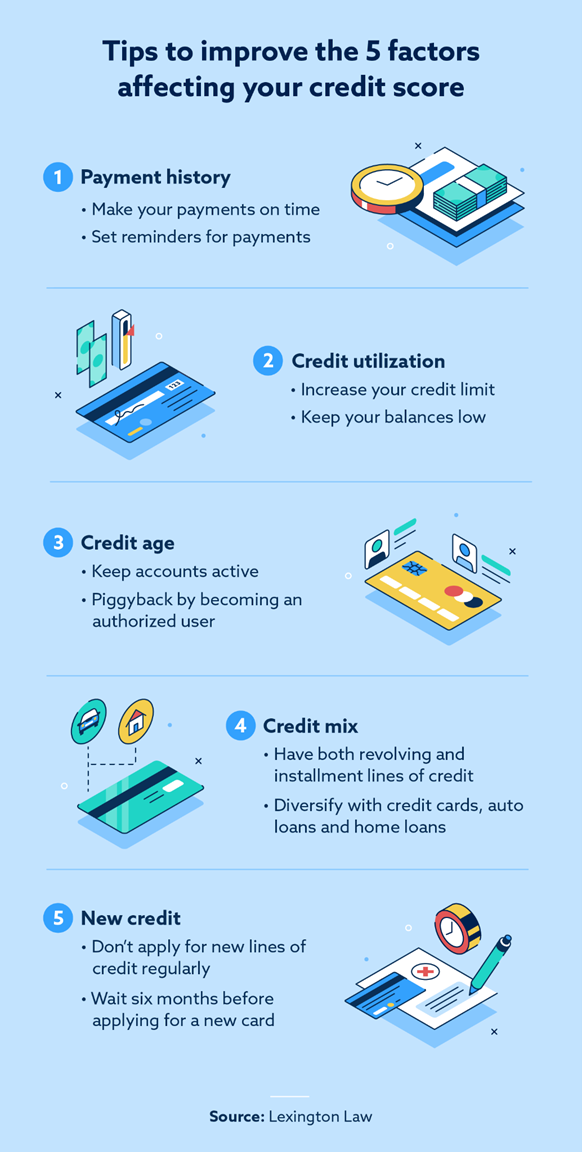
To pay down debt, consider creating a budget and cutting back on unnecessary expenses. You can also look into debt consolidation or balance transfer options to lower your interest rates and make it easier to pay off your debt. By reducing your debt load, you can improve your credit score and demonstrate to lenders that you are a responsible borrower.
Another strategy to pay down debt is to focus on high-interest debt first. By tackling high-interest debt, you can save money on interest charges and make it easier to pay off your balances. Remember to make on-time payments on all your accounts to avoid late fees and negative marks on your credit report.
Make On-Time Payments
Making on-time payments is crucial for improving your credit score quickly. Payment history is one of the most important factors that contribute to your credit score, accounting for 35% of the total score. By consistently making on-time payments on your credit accounts, you can show lenders that you are a responsible borrower.
If you have trouble remembering to make payments on time, consider setting up automatic payments or reminders on your calendar. You can also enroll in payment alerts through your bank or credit card issuer to receive notifications when a payment is due. By staying organized and making on-time payments, you can boost your credit score and avoid negative marks on your credit report.
In the event that you miss a payment, it’s important to catch up as soon as possible. Late payments can stay on your credit report for up to seven years and have a significant impact on your credit score. Contact your creditor to discuss your options, such as setting up a payment plan or negotiating a settlement. By addressing late payments promptly, you can minimize the damage to your credit score.
Reduce Credit Inquiries
Every time you apply for new credit, a hard inquiry is placed on your credit report. While a single inquiry may only have a minor impact on your credit score, multiple inquiries can signal to lenders that you are in financial distress. To improve your credit score quickly, it’s important to reduce the number of credit inquiries on your report.
One way to minimize credit inquiries is to only apply for credit when necessary. Avoid applying for multiple credit cards or loans within a short period of time, as this can raise red flags with lenders. If you are shopping for a loan or credit card, try to do so within a 30-day window so that multiple inquiries are treated as a single inquiry.
If you do have multiple inquiries on your credit report, you can try to have them removed. Contact the credit bureaus and request that any unauthorized or inaccurate inquiries be deleted from your report. While this process may take some time, it can help improve your credit score and make you a more attractive borrower to lenders.
Monitor Your Credit Report
Monitoring your credit report regularly is essential for improving your credit score quickly. By checking your report for errors or inaccuracies, you can identify issues that may be dragging down your score. Common errors include incorrect account information, unauthorized inquiries, and outdated negative marks.
If you find any errors on your credit report, you can dispute them with the credit bureaus. By providing documentation to support your claim, you can have the errors corrected or removed from your report. This can help boost your credit score and ensure that lenders are seeing an accurate representation of your credit history.
In addition to checking for errors, monitoring your credit report can also help you detect signs of identity theft or fraud. If you notice unfamiliar accounts or suspicious activity on your report, it’s important to act quickly and report it to the credit bureaus. By staying vigilant and monitoring your credit report, you can protect yourself from potential threats and maintain a healthy credit score.
Build a Positive Credit History
Building a positive credit history is essential for improving your credit score quickly. Lenders want to see that you have a track record of responsible borrowing and timely payments. To build a positive credit history, consider opening a secured credit card or becoming an authorized user on someone else’s account.
Secured credit cards are a great option for individuals with limited or poor credit history. By making a security deposit, you can establish a line of credit and start building positive payment history. Just be sure to make on-time payments and keep your balances low to see improvements in your credit score.
Becoming an authorized user on someone else’s account can also help you build credit. This involves being added to a family member or friend’s credit card as an authorized user. As long as the primary cardholder makes on-time payments and maintains a low balance, you can benefit from their positive credit history and see improvements in your own score.
Avoid Closing Old Accounts
Closing old accounts can hurt your credit score and make it harder to improve quickly. Length of credit history is a major factor that contributes to your score, so keeping old accounts open can help demonstrate your creditworthiness to lenders. Even if you’re not using a particular account, it’s best to keep it open and active to maintain a longer credit history.
If you do decide to close an account, consider the impact it may have on your credit score. Closing a credit card account can increase your credit utilization ratio and reduce the average age of your accounts, both of which can lower your score. To mitigate the impact of closing an account, try to pay off any balances and keep your other accounts in good standing.
Instead of closing old accounts, focus on using them responsibly and paying them off in full each month. By keeping your accounts active and in good standing, you can improve your credit score over time and show lenders that you are a reliable borrower.
Seek Professional Help
If you’re struggling to improve your credit score on your own, consider seeking professional help. Credit counseling agencies and financial advisors can provide guidance on how to manage your finances and improve your credit score quickly. They can help you create a personalized plan for paying down debt, making on-time payments, and building positive credit history.
Additionally, you may want to consider working with a credit repair company to help remove negative marks from your credit report. These companies specialize in disputing errors and inaccuracies with the credit bureaus on your behalf. While there are legitimate credit repair companies out there, it’s important to do your research and choose a reputable company to work with.
By seeking professional help, you can get the guidance and support you need to improve your credit score quickly and achieve your financial goals. Whether you need help creating a budget, negotiating with creditors, or disputing errors on your report, a professional can provide valuable insight and assistance.
Conclusion
Improving your credit score fast is not an impossible task, but it does require diligence and commitment. By understanding your credit score, paying down debt, making on-time payments, reducing credit inquiries, monitoring your credit report, building positive credit history, avoiding closing old accounts, and seeking professional help, you can see improvements in your credit score over time. Remember that improving your credit score is a marathon, not a sprint, so be patient and persistent in your efforts. With dedication and the right strategies, you can achieve a higher credit score and unlock more opportunities for financial success.