
Rebuilding Credit After Bankruptcy: A Step-By-Step Guide
Bankruptcy can be a challenging and stressful experience, but it doesn’t have to signal the end of your financial future. With the right strategies and dedication, you can rebuild your credit after bankruptcy and pave the way for a brighter financial future. Here are some steps to help you get started on the path to rebuilding your credit:
1. Understand Your Credit Report
The first step in rebuilding your credit after bankruptcy is to understand where you stand. Get a copy of your credit report from all three major credit bureaus – Experian, Equifax, and TransUnion. Review your report carefully to identify any errors or inaccuracies that may be negatively impacting your credit score. Dispute any errors you find to ensure that your credit report is accurate.
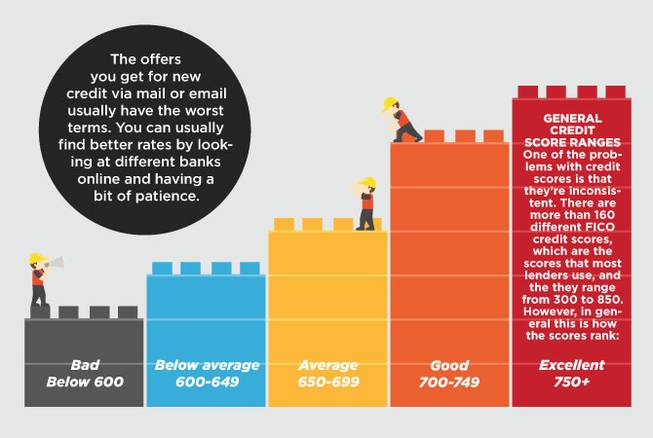
Once you have a clear picture of your credit standing, you can begin to develop a plan for improving your credit score. Start by paying off any outstanding debts, such as credit card balances or medical bills, that were not discharged in your bankruptcy. Making on-time payments on these debts will help demonstrate to creditors that you are responsible and creditworthy.
2. Establish a Budget
One of the keys to rebuilding your credit after bankruptcy is to establish a budget and stick to it. Take a close look at your income and expenses to determine how much you can afford to spend each month on bills and debt repayment. Be sure to prioritize your debt payments to ensure that you are making timely payments on all of your debts.

Creating a budget will also help you avoid overspending and accumulating new debt. Cut back on unnecessary expenses and look for ways to save money, such as cooking at home instead of eating out or canceling subscription services you don’t use. By living within your means and sticking to your budget, you can avoid falling back into financial trouble.
3. Build a Positive Payment History
One of the most important factors in rebuilding your credit after bankruptcy is establishing a positive payment history. Making on-time payments on your debts is crucial to improving your credit score and demonstrating to creditors that you are a responsible borrower. Set up automatic payments or reminders to ensure that you never miss a payment.

In addition to making on-time payments, consider opening a secured credit card or becoming an authorized user on someone else’s credit card account. Using credit responsibly and paying off your balances in full each month can help boost your credit score over time. Just be sure to keep your credit utilization low and avoid carrying a balance to avoid accruing interest.
4. Monitor Your Credit Score
As you work to rebuild your credit after bankruptcy, it’s important to monitor your progress by regularly checking your credit score. Keep an eye on any changes to your credit report and score and take note of any factors that may be affecting your creditworthiness. You can use free credit monitoring services or sign up for a credit monitoring service to stay on top of your credit health.
Monitoring your credit score can help you identify areas for improvement and track your progress over time. Seeing your credit score increase as you make positive changes to your credit habits can be a motivating factor to continue working towards your financial goals. Celebrate small victories along the way and stay focused on your long-term financial success.
5. Seek Professional Help
If you’re struggling to rebuild your credit after bankruptcy, don’t be afraid to seek professional help. Credit counseling agencies and financial advisors can provide guidance and support as you work to improve your credit score and financial situation. They can help you develop a personalized plan for rebuilding your credit and offer advice on managing your finances effectively.
In addition to seeking professional help, consider reaching out to your creditors to discuss your situation. They may be willing to work with you to create a repayment plan or negotiate a settlement that can help you pay off your debts more quickly. Being proactive and communicative with your creditors can show them that you are committed to repaying your debts and rebuilding your credit.
6. Diversify Your Credit Mix
Another strategy for rebuilding your credit after bankruptcy is to diversify your credit mix. Having a mix of different types of credit, such as credit cards, installment loans, and a mortgage, can demonstrate to creditors that you are capable of managing different types of credit responsibly. Consider applying for a small personal loan or finance a purchase through a store credit card to add diversity to your credit profile.
While it’s important to diversify your credit mix, be mindful of applying for too much credit at once. Each credit application can result in a hard inquiry on your credit report, which can temporarily lower your credit score. Only apply for new credit when you need it and can afford to repay it responsibly to avoid further damaging your credit score.
7. Practice Patience and Persistence
Rebuilding your credit after bankruptcy is a process that takes time, patience, and persistence. It’s important to stay focused on your goals and remain committed to improving your credit score. Don’t get discouraged by setbacks or slow progress – every positive change you make to your credit habits can help move you closer to your financial goals.
Remember that rebuilding your credit after bankruptcy is a marathon, not a sprint. It may take months or even years to see significant improvements in your credit score, but with dedication and perseverance, you can achieve your financial goals. Stay positive, stay focused, and stay on track to rebuilding your credit and securing a brighter financial future.
8. Celebrate Your Successes
As you work to rebuild your credit after bankruptcy, don’t forget to celebrate your successes along the way. Each positive change you make to your credit habits, each on-time payment you make, and each increase in your credit score is a step in the right direction towards financial stability. Take the time to acknowledge your progress and celebrate your achievements.
Whether it’s treating yourself to a small reward for meeting a financial goal or sharing your successes with friends and family, celebrating your successes can help keep you motivated on your credit rebuilding journey. Recognize the hard work and dedication you’ve put into improving your credit and remember that every step forward is a step towards a brighter financial future.
Conclusion
Rebuilding your credit after bankruptcy is a challenging but achievable goal with the right strategies and dedication. By understanding your credit report, establishing a budget, building a positive payment history, monitoring your credit score, seeking professional help, diversifying your credit mix, and practicing patience and persistence, you can take steps towards improving your credit score and securing a brighter financial future. Celebrate your successes along the way and stay focused on your long-term financial goals. With time and effort, you can rebuild your credit after bankruptcy and open the door to a more stable financial future.