
What is a Secured Credit Card?
A secured credit card is a type of credit card that requires the cardholder to make a security deposit in order to open the account. This security deposit acts as collateral for the credit card issuer, reducing the risk of lending money to individuals with poor credit or no credit history. Secured credit cards are often used by those looking to build or rebuild their credit.
Secured credit cards work similarly to traditional credit cards in that cardholders can make purchases and payments, and are required to make monthly payments on their balance. The main difference is that secured credit cards are backed by a cash deposit, whereas traditional credit cards are not.
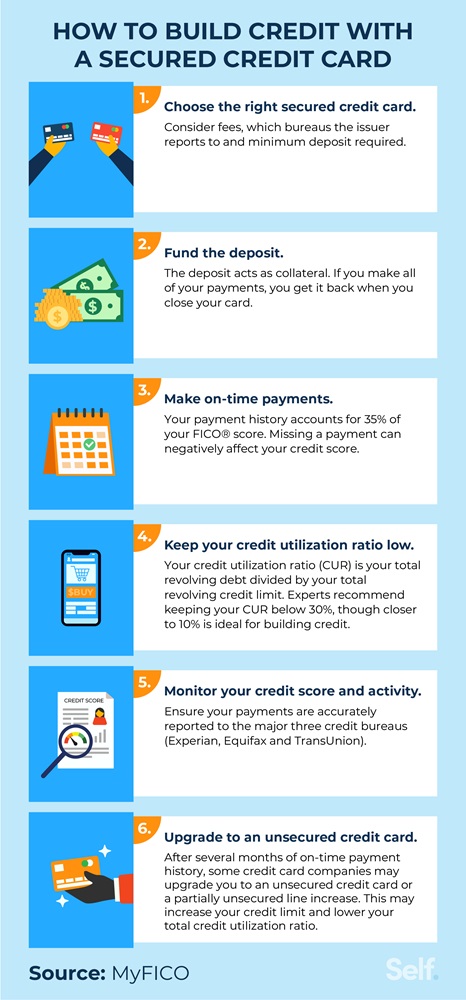
One of the benefits of a secured credit card is that it can help individuals establish or improve their credit history. By making on-time payments and keeping their balance low, cardholders can demonstrate responsible credit behavior to lenders and potentially qualify for unsecured credit cards in the future.
How to Apply for a Secured Credit Card
Applying for a secured credit card is a relatively straightforward process. To start, individuals will need to research different credit card issuers and compare their options. Factors to consider when choosing a secured credit card include the annual fee, interest rate, and credit limit.

Once a secured credit card has been selected, the individual will need to complete an application with the credit card issuer. This will typically require providing personal information such as name, address, social security number, and employment information. In addition, the individual will need to make a security deposit, which will determine their credit limit.
After the application has been submitted and the security deposit has been made, the credit card issuer will review the application and determine if the applicant meets their criteria for approval. If approved, the individual will receive their secured credit card in the mail and can begin using it to make purchases.
Using a Secured Credit Card Responsibly
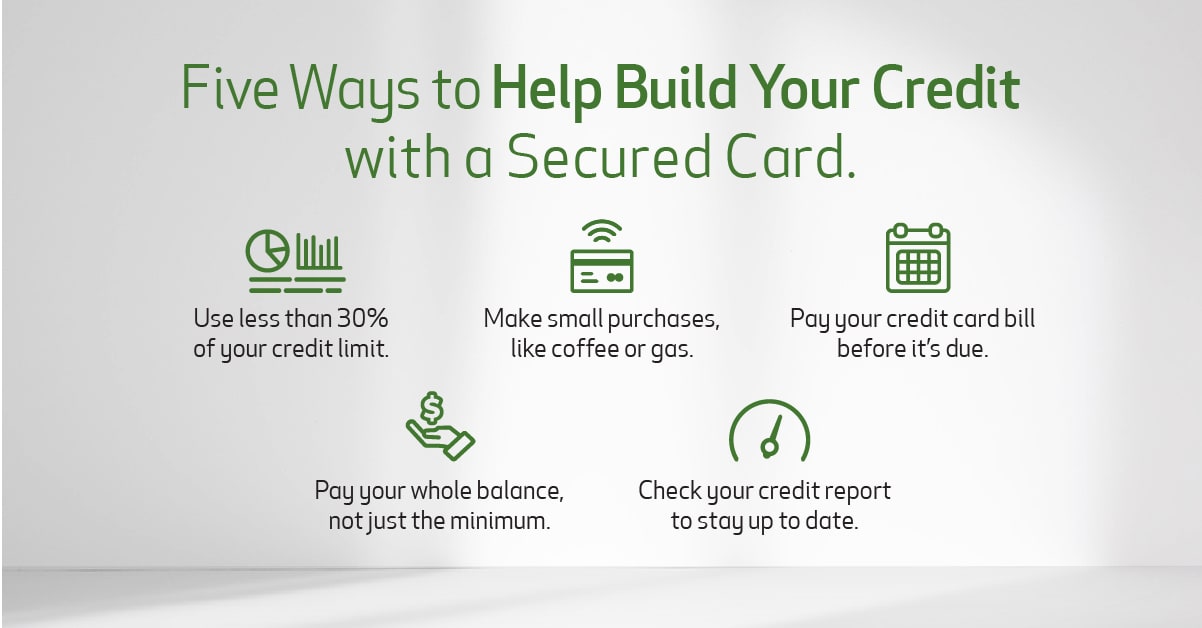
One of the key components of using a secured credit card responsibly is making on-time payments each month. Late payments can negatively impact a cardholder’s credit score and result in additional fees and interest charges. By setting up automatic payments or reminders, individuals can ensure that they never miss a payment.
Another important factor in using a secured credit card responsibly is keeping the balance low relative to the credit limit. Utilizing a high percentage of the available credit can signal to lenders that an individual is heavily reliant on credit, which can be a red flag. Keeping the balance below 30% of the credit limit is generally recommended.
Additionally, it’s important for cardholders to monitor their credit card activity regularly. By reviewing statements for unauthorized charges and keeping track of spending habits, individuals can stay on top of their finances and identify any potential issues early on. By using a secured credit card responsibly, individuals can build a positive credit history and improve their credit score over time.
Benefits of a Secured Credit Card
Secured credit cards offer several benefits for individuals looking to build or rebuild their credit. One of the main advantages is that they provide a way for individuals with poor credit or no credit history to access credit. By making a security deposit, individuals can open a secured credit card account and start establishing a credit history.
Another benefit of secured credit cards is that they can help individuals improve their credit score. By making on-time payments and keeping their balance low, cardholders can demonstrate responsible credit behavior to lenders. Over time, this can lead to an increase in credit score and potentially qualify for unsecured credit cards with better terms.
Secured credit cards also offer the convenience and flexibility of traditional credit cards. Cardholders can use their secured credit card to make purchases, pay bills, and build credit just like with a traditional credit card. Additionally, many secured credit cards come with benefits such as fraud protection and travel insurance, making them a valuable financial tool for individuals looking to improve their credit.
Drawbacks of a Secured Credit Card
While secured credit cards offer several benefits, they also come with some drawbacks that individuals should be aware of. One of the main drawbacks is that secured credit cards often come with higher fees and interest rates compared to traditional credit cards. Annual fees, monthly maintenance fees, and high APRs can add up over time and be costly for cardholders.
Another drawback of secured credit cards is the limited credit limit. The credit limit on a secured credit card is typically equal to the security deposit made by the cardholder. This can restrict the purchasing power of individuals and make it difficult to make larger purchases or handle emergencies.
Additionally, secured credit cards may not offer the same rewards and benefits as traditional credit cards. Many secured credit cards have limited or no rewards programs, cashback offers, or travel perks. This can be a disadvantage for individuals who are looking to maximize their credit card benefits and earn rewards on their purchases.
Tips for Choosing a Secured Credit Card
When choosing a secured credit card, there are several factors to consider to ensure that it meets your financial needs and goals. One tip is to compare the annual fees and interest rates of different secured credit cards. Look for cards with low fees and competitive APRs to minimize costs and maximize savings.
Another tip is to consider the credit limit offered by the secured credit card. Choose a card with a credit limit that aligns with your spending habits and financial goals. A higher credit limit can provide more flexibility and purchasing power, while a lower credit limit may be more manageable for some individuals.
It’s also important to research the credit card issuer and their reputation. Choose a secured credit card from a reputable and established financial institution to ensure that you receive quality customer service and support. Read reviews and testimonials from other cardholders to gauge the issuer’s reliability and trustworthiness.
Building Credit with a Secured Credit Card
One of the main reasons individuals choose a secured credit card is to build or rebuild their credit history. By using a secured credit card responsibly, individuals can demonstrate to lenders that they are capable of managing credit and making on-time payments. This positive credit behavior can help improve their credit score over time.
To effectively build credit with a secured credit card, individuals should make on-time payments each month and keep their balance low relative to the credit limit. By paying off the full balance or at least the minimum payment by the due date, cardholders can avoid late fees and negative marks on their credit report. Keeping the balance below 30% of the credit limit can also show lenders that an individual is not heavily reliant on credit.
Additionally, individuals can monitor their credit score and credit report regularly to track their progress and identify any potential issues. By reviewing credit reports for inaccuracies and monitoring credit scores for changes, individuals can stay informed about their credit status and take steps to improve it. Building credit with a secured credit card takes time and patience, but with responsible credit behavior, individuals can see improvements in their credit score over time.
Secured Credit Card vs. Unsecured Credit Card
One of the main differences between a secured credit card and an unsecured credit card is the security deposit required to open the account. Secured credit cards require a cash deposit that serves as collateral for the credit card issuer, reducing the risk of lending money to individuals with poor credit or no credit history. Unsecured credit cards, on the other hand, do not require a security deposit and are based solely on the cardholder’s creditworthiness.
Another key difference between secured and unsecured credit cards is the credit limit offered. The credit limit on a secured credit card is typically equal to the security deposit made by the cardholder, whereas the credit limit on an unsecured credit card is determined by the card issuer based on the individual’s credit history and income.
Additionally, secured credit cards often come with higher fees and interest rates compared to unsecured credit cards. Annual fees, monthly maintenance fees, and high APRs are common with secured credit cards, making them more expensive for cardholders. Unsecured credit cards, on the other hand, may offer lower fees and APRs for individuals with good credit.
Conclusion
In conclusion, a secured credit card can be a valuable financial tool for individuals looking to build or rebuild their credit history. By making a security deposit, individuals can open a secured credit card account and demonstrate responsible credit behavior to lenders. With on-time payments, low balances, and regular monitoring of credit activity, individuals can improve their credit score over time and potentially qualify for unsecured credit cards with better terms. When choosing a secured credit card, it’s important to compare fees, interest rates, and credit limits to find a card that aligns with your financial goals. By using a secured credit card responsibly, individuals can take control of their credit and work towards a brighter financial future.