
Understanding Credit Utilization
Credit utilization is the ratio of your credit card balances compared to your credit card limits. It plays a significant role in determining your credit score, as it shows how responsibly you manage your credit. Ideally, you should aim to keep your credit utilization below 30% to have a positive impact on your credit score. For example, if you have a credit card with a $10,000 limit, try to keep your balance below $3,000.
Having a low credit utilization ratio shows lenders that you are not relying too heavily on credit and are able to manage your finances effectively. On the other hand, a high credit utilization ratio can signal to lenders that you are overextended and may have trouble making payments. This can lead to a decrease in your credit score and make it more difficult to qualify for loans or credit cards in the future.

To improve your credit utilization ratio, you can either pay down your existing balances or request a credit limit increase. By lowering your balances or increasing your credit limits, you can bring your credit utilization ratio down and improve your credit score over time.
Monitoring Your Credit Utilization
It’s essential to regularly monitor your credit utilization to ensure that you are staying within the recommended limits. You can easily check your credit utilization ratio by looking at your credit card statements or logging into your online account. Most credit card issuers also provide tools that allow you to track your credit utilization and see how it is impacting your credit score.

If you notice that your credit utilization is creeping up towards 30% or higher, it may be time to take action to bring it back down. This could involve making extra payments towards your credit card balances or requesting a credit limit increase from your card issuer. By staying on top of your credit utilization, you can avoid potential negative impacts on your credit score.
In addition to monitoring your credit utilization ratio, it’s also a good idea to check your credit report regularly for any errors or inaccuracies that could be affecting your credit score. By staying informed about your credit profile, you can take steps to improve your credit health and achieve your financial goals.
Tips for Lowering Your Credit Utilization
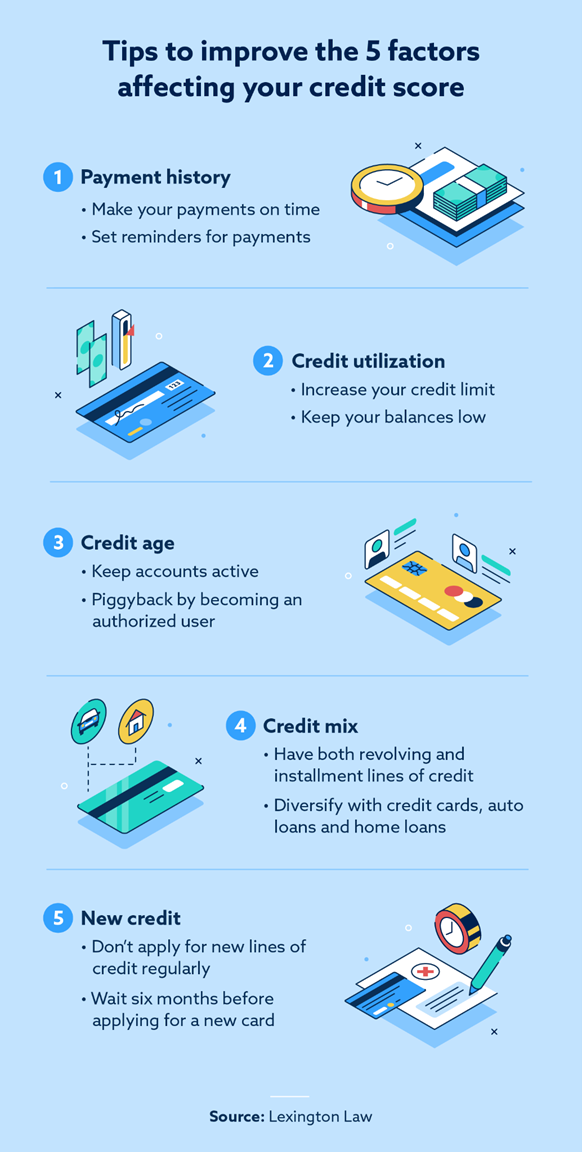
There are several strategies you can use to lower your credit utilization and improve your credit score. One of the most effective ways is to pay down your credit card balances. By making extra payments towards your balances, you can reduce your credit utilization ratio and show lenders that you are managing your credit responsibly.
Another option is to request a credit limit increase from your credit card issuer. By increasing your credit limits, you can lower your credit utilization ratio without having to pay off any existing balances. However, it’s important to use this strategy with caution, as a higher credit limit could tempt you to spend more than you can afford.
You can also consider opening a new credit card to spread out your balances across multiple accounts. This can help lower your overall credit utilization ratio and improve your credit score over time. Just be sure to use your new credit card responsibly and avoid taking on more debt than you can handle.
Best Practices for Managing Your Credit Utilization
To effectively manage your credit utilization, it’s important to develop good habits and practices when it comes to using credit. One of the best practices is to pay your credit card balances in full and on time every month. By doing so, you can avoid accruing interest charges and keep your credit utilization ratio low.
It’s also a good idea to keep track of your credit card balances and credit limits to ensure that you are staying within the recommended 30% utilization ratio. You can set up alerts or reminders to help you stay on top of your balances and make timely payments.
If you are struggling to keep your credit utilization in check, consider creating a budget to help you manage your finances more effectively. By tracking your expenses and income, you can identify areas where you can cut back on spending and allocate more funds towards paying down your credit card balances.
Benefits of Maintaining a Low Credit Utilization Ratio
Maintaining a low credit utilization ratio can have several benefits for your financial health. One of the primary benefits is that it can help improve your credit score and make it easier to qualify for loans or credit cards in the future. Lenders typically view borrowers with low credit utilization ratios as less risky and more likely to make timely payments.
Having a low credit utilization ratio can also save you money on interest charges. When you carry high balances on your credit cards, you may end up paying more in interest over time. By keeping your credit utilization low, you can avoid unnecessary interest charges and save money in the long run.
Additionally, maintaining a low credit utilization ratio can give you more financial flexibility and peace of mind. If unexpected expenses arise, you will have more credit available to cover them without maxing out your credit cards. This can help you avoid falling into debt and maintain a healthy financial outlook.
Common Mistakes to Avoid with Credit Utilization
One common mistake that many people make with credit utilization is carrying high balances on their credit cards. This can lead to a high credit utilization ratio, which can negatively impact your credit score and make it more difficult to qualify for credit in the future. To avoid this mistake, try to pay off your credit card balances in full each month or keep your balances below 30% of your credit limits.
Another mistake is closing old credit card accounts or reducing your credit limits. This can also increase your credit utilization ratio and have a negative impact on your credit score. Instead of closing accounts, consider keeping them open and using them occasionally to keep them active. This can help you maintain a low credit utilization ratio and improve your credit score over time.
Lastly, avoid applying for multiple new credit cards or loans at once, as this can have a negative impact on your credit utilization ratio and credit score. Each time you apply for credit, a hard inquiry is placed on your credit report, which can temporarily lower your score. To avoid this, only apply for credit when you truly need it and can afford to take on additional debt.
Credit Utilization and Your Credit Score
Your credit utilization ratio plays a crucial role in determining your credit score. It makes up about 30% of your FICO score, making it one of the most important factors that lenders consider when evaluating your creditworthiness. By maintaining a low credit utilization ratio, you can improve your credit score and increase your chances of qualifying for loans or credit cards with favorable terms.
If you have a high credit utilization ratio, it can have a negative impact on your credit score and make it more challenging to borrow money in the future. Lenders may view you as a higher risk borrower and offer you less favorable terms or higher interest rates. By keeping your credit utilization low, you can demonstrate to lenders that you are responsible with credit and can manage your finances effectively.
In conclusion, credit utilization is a crucial aspect of your credit health that should not be overlooked. By understanding how credit utilization works and implementing strategies to keep it low, you can improve your credit score and achieve your financial goals. Remember to monitor your credit utilization regularly, pay down your balances, and practice good credit habits to maintain a healthy credit profile. By staying proactive and informed, you can take control of your credit utilization and pave the way towards a brighter financial future.