
The Importance of a Good Credit Score Range
A good credit score range is essential for financial stability and flexibility. It is a numerical representation of an individual’s creditworthiness and is used by lenders to determine the risk of extending credit to them. A good credit score can open doors to better loan terms, lower interest rates, and higher credit limits. It can also make it easier to qualify for a mortgage, car loan, or credit card. In contrast, a poor credit score can limit your borrowing options and result in higher interest rates.
Having a good credit score range can also impact other areas of your life, such as securing rental housing or even getting a job. Landlords may check your credit score as part of the rental application process to assess your financial responsibility. Some employers also run credit checks on job applicants, particularly for positions that involve handling money or sensitive information. Maintaining a good credit score range can improve your chances of being approved for these opportunities.
In addition to its practical benefits, a good credit score range can also provide peace of mind. Knowing that you have a strong credit history can give you confidence in your financial decisions and help you feel more in control of your money. It can also protect you from unexpected financial setbacks, such as medical emergencies or job loss, by giving you access to credit when you need it most.
What Is Considered a Good Credit Score Range?
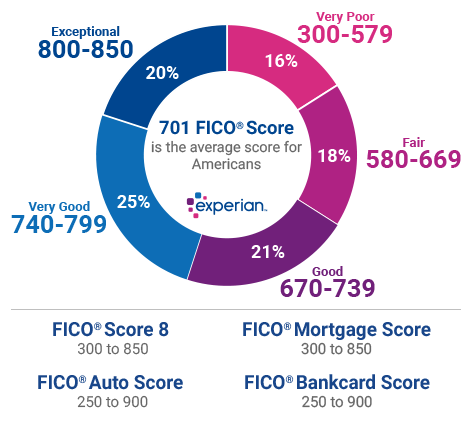
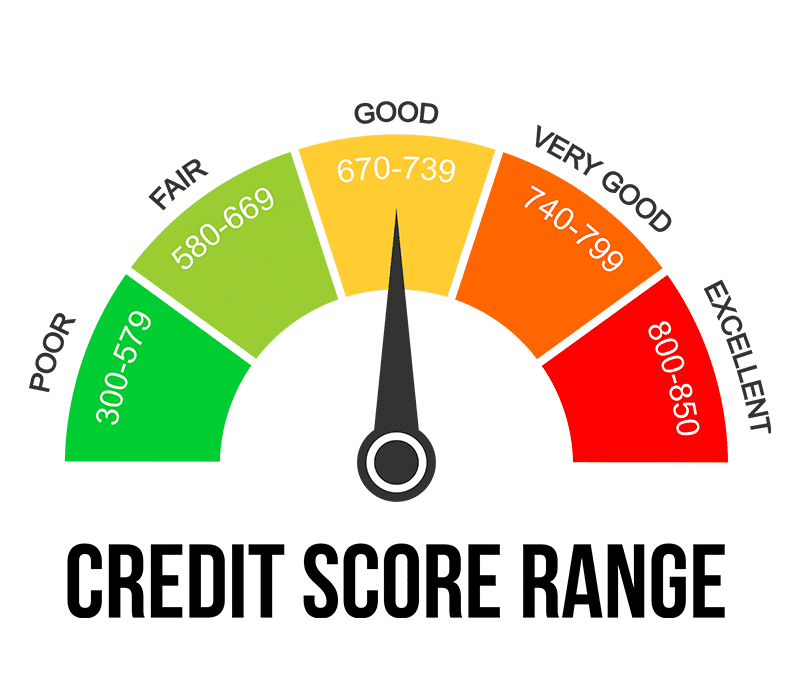
Credit scores typically range from 300 to 850, with higher scores indicating better creditworthiness. While the exact definition of a good credit score range can vary depending on the scoring model used, a score of 700 or above is generally considered good. Scores in the 800s are considered excellent and can qualify you for the best loan terms and interest rates.
The factors that determine your credit score include payment history, credit utilization, length of credit history, new credit accounts, and credit mix. Payment history is the most significant factor, accounting for 35% of your score. It reflects how consistently you make on-time payments on your credit accounts. Credit utilization, or the amount of credit you use compared to your total available credit, makes up 30% of your score. Keeping your credit card balances low can help improve your credit utilization ratio and boost your score.
Length of credit history, which makes up 15% of your score, considers how long you have been using credit. The longer your credit history, the more data lenders have to assess your creditworthiness. Opening new credit accounts can have a temporary negative impact on your score, as it can signal increased risk to lenders. Finally, having a diverse mix of credit accounts, such as credit cards, installment loans, and a mortgage, can demonstrate your ability to manage different types of credit responsibly.
How to Improve Your Credit Score Range
If your credit score is below the threshold for a good credit score range, there are steps you can take to improve it. One of the most effective ways to boost your score is to make on-time payments on all of your credit accounts. Payment history is a significant factor in determining your score, so consistently paying your bills by their due dates can have a positive impact.
Another strategy for improving your credit score range is to reduce your credit card balances. High credit card balances can increase your credit utilization ratio, which can lower your score. Paying down your balances can help lower your credit utilization and improve your score. You can also consider asking for a credit limit increase on your existing cards, which can help decrease your utilization ratio.
In addition to managing your credit accounts responsibly, monitoring your credit report regularly can help you catch errors or potential fraud that could be impacting your score. You are entitled to one free credit report from each of the three major credit bureaus—Equifax, Experian, and TransUnion—every 12 months. Reviewing your report for inaccuracies and disputing any errors can help ensure that your credit score is based on accurate information.
The Benefits of Maintaining a Good Credit Score Range
Having a good credit score range can offer numerous benefits that can positively impact your financial well-being. One of the key advantages of maintaining a good credit score is access to better loan terms and interest rates. Lenders are more likely to offer lower interest rates and fees to borrowers with good credit scores, which can result in significant savings over the life of a loan.
A good credit score range can also make it easier to qualify for credit cards with attractive rewards programs, such as cash back, travel rewards, or sign-up bonuses. These perks can help you save money on everyday purchases or earn points for future travel. Some credit card issuers also offer benefits like purchase protection, extended warranties, and travel insurance to cardholders with good credit scores.
In addition to the financial benefits, a good credit score can provide peace of mind and security. Knowing that you have a strong credit history can give you confidence in your ability to handle unexpected expenses or emergencies. It can also protect you from predatory lenders who may try to take advantage of consumers with poor credit by charging high interest rates or fees.
Common Myths About Good Credit Score Range
There are several myths and misconceptions surrounding credit scores and what constitutes a good credit score range. One common myth is that checking your credit score will lower it. In reality, checking your own credit score is considered a soft inquiry and does not impact your score. It can be beneficial to monitor your score regularly to track your progress and catch any errors.
Another myth is that carrying a balance on your credit cards will improve your credit score. While it is important to use your credit cards responsibly and make on-time payments, carrying a balance from month to month can actually hurt your credit score. Paying off your balances in full each month can help improve your credit utilization ratio and boost your score.
Some people may also believe that closing old credit accounts will improve their credit score. However, closing accounts can actually have a negative impact on your score by reducing your available credit and shortening your credit history. Keeping old accounts open and using them occasionally can help maintain a positive credit history and improve your score over time.
Factors That Can Impact Your Credit Score Range
Several factors can impact your credit score range, both positively and negatively. One of the most significant factors is payment history, which reflects how consistently you make on-time payments on your credit accounts. Late payments, collections, and bankruptcies can all have a negative impact on your score. Making on-time payments and avoiding delinquencies can help maintain or improve your score.
Credit utilization, or the amount of credit you use compared to your total available credit, is another important factor in determining your credit score. High credit card balances can increase your credit utilization ratio, which can lower your score. Keeping your balances low and paying off your credit cards in full each month can help improve your credit utilization and boost your score.
Length of credit history is also a key factor in determining your credit score. The longer you have been using credit, the more data lenders have to assess your creditworthiness. Opening new credit accounts can have a temporary negative impact on your score, as it can signal increased risk to lenders. Maintaining a diverse mix of credit accounts, such as credit cards, installment loans, and a mortgage, can demonstrate your ability to manage different types of credit responsibly.
The Relationship Between Credit Score Range and Interest Rates
Your credit score range can have a significant impact on the interest rates you are offered on loans and credit cards. Lenders use credit scores to assess the risk of extending credit to borrowers and determine the interest rates and loan terms they offer. Borrowers with higher credit scores are considered lower risk and are more likely to qualify for lower interest rates.
The difference in interest rates between a good credit score range and a poor credit score range can be substantial. For example, someone with a credit score of 700 may be offered an interest rate of 4% on a mortgage, while someone with a score of 600 may be offered a rate of 6%. Over the life of a 30-year mortgage, this 2% difference in interest rates could result in thousands of dollars in additional interest payments.
In addition to saving money on interest, borrowers with good credit scores may also qualify for higher credit limits on credit cards, which can provide greater purchasing power. They may also be eligible for credit cards with better rewards programs and benefits, such as cash back, travel rewards, or sign-up bonuses. Maintaining a good credit score range can help you access these advantages and save money over time.
Conclusion
In conclusion, a good credit score range is essential for financial stability and flexibility. It can open doors to better loan terms, lower interest rates, and higher credit limits. Maintaining a good credit score range can also impact other areas of your life, such as securing rental housing or even getting a job. By understanding what factors influence your credit score and taking steps to improve it, you can enjoy the numerous benefits of having a good credit score. Monitoring your credit report regularly, making on-time payments, and keeping your credit card balances low are all strategies that can help you maintain a strong credit score range. Remember that building and maintaining good credit takes time and effort, but the rewards can be well worth it in the long run.