
Introduction
Living a minimalist lifestyle can have a significant impact on your finances. By adopting minimalist finance habits, you can save money, reduce stress, and achieve financial freedom. In this article, we will explore eight minimalist finance habits that can help you improve your financial situation and live a more fulfilling life.
1. Budgeting
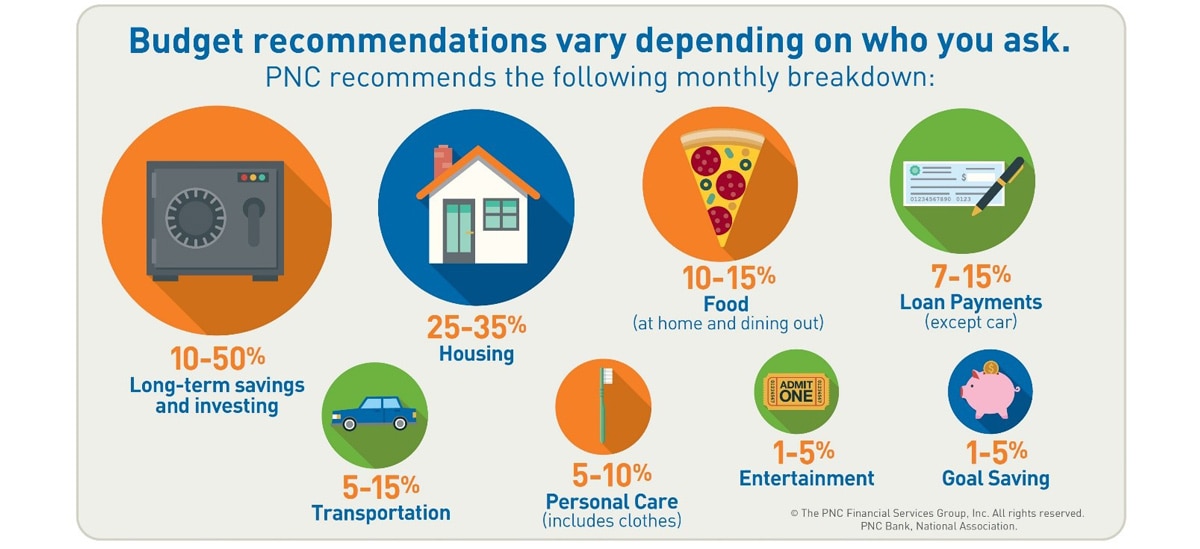
One of the key minimalist finance habits is budgeting. By creating a budget and tracking your expenses, you can gain a clear understanding of where your money is going and make informed decisions about your finances. Start by examining your monthly income and expenses and identifying areas where you can cut back. This could include dining out less, canceling unnecessary subscriptions, or finding cheaper alternatives for everyday expenses.

Another important aspect of budgeting is setting financial goals. Whether you want to save for a vacation, pay off debt, or build an emergency fund, having clear financial goals can help you stay motivated and on track. By prioritizing your spending based on your goals, you can make sure that your money is being used in a way that aligns with your values and priorities.
Finally, regularly review and adjust your budget as needed. Life circumstances can change, so it’s important to be flexible and make updates to your budget as necessary. By staying on top of your finances and being proactive about managing your money, you can set yourself up for long-term financial success.
2. Embracing frugality
Another minimalist finance habit is embracing frugality. This doesn’t mean depriving yourself of things you enjoy, but rather being mindful of how you spend your money and finding ways to save. Look for opportunities to cut costs, such as shopping sales, buying generic brands, or finding discounts on items you need. By being intentional about your spending and avoiding impulse purchases, you can save money and make your money go further.
One way to embrace frugality is to adopt a minimalist mindset when it comes to material possessions. Instead of constantly buying new things, focus on what truly adds value to your life and prioritize those items. By decluttering your space and letting go of unnecessary belongings, you can create a more peaceful and organized living environment while also saving money in the process.
Additionally, consider alternative ways to enjoy activities or experiences without breaking the bank. This could include hosting a potluck dinner with friends instead of going out to eat, exploring free or low-cost entertainment options in your community, or finding creative ways to repurpose items you already own. By finding joy in simple pleasures and living within your means, you can cultivate a more fulfilling and financially sustainable lifestyle.
3. Automating savings
Automating your savings is another minimalist finance habit that can help you build wealth over time. By setting up automatic transfers from your checking account to your savings account, you can ensure that a portion of your income is saved before you have a chance to spend it. This can help you gradually grow your savings without having to think about it or make a conscious effort to save each month.
Another way to automate your savings is to take advantage of employer-sponsored retirement accounts, such as a 401(k) or IRA. By contributing to these accounts through payroll deductions, you can save for retirement while also potentially benefiting from employer matching contributions or tax advantages. Over time, these contributions can grow through compound interest and investment returns, helping you build a secure financial future.
In addition to automated savings, consider setting up automatic bill payments to avoid late fees and penalties. By automating your finances as much as possible, you can streamline your money management process and reduce the risk of overspending or missing important payments. By making saving a priority and incorporating it into your regular routine, you can make progress toward your financial goals with minimal effort.
4. Avoiding debt
One of the key principles of minimalist finance is avoiding debt whenever possible. While some forms of debt, such as a mortgage or student loans, may be necessary for certain financial goals, it’s important to be mindful of how debt can impact your overall financial health. High-interest debt, such as credit card debt, can be particularly harmful and can quickly spiral out of control if not managed responsibly.
To avoid debt, focus on living within your means and only spending what you can afford. This may require making sacrifices or delaying gratification in the short term, but it can ultimately lead to a more stable and financially secure future. If you do have debt, prioritize paying it off as quickly as possible by making extra payments or exploring debt repayment strategies, such as the snowball or avalanche method.
Another important aspect of avoiding debt is being mindful of your spending habits and avoiding impulse purchases. Before making a purchase, take a moment to consider whether it aligns with your values and priorities, and whether it’s truly necessary. By being intentional about your spending and avoiding unnecessary debt, you can protect your financial well-being and work toward a debt-free future.
5. Investing wisely
Investing wisely is another minimalist finance habit that can help you grow your wealth and achieve your financial goals. By investing in a diversified portfolio of low-cost index funds or exchange-traded funds (ETFs), you can benefit from long-term market growth and potentially earn higher returns than traditional savings accounts or CDs. Start by educating yourself about the basics of investing and creating a personalized investment strategy based on your risk tolerance and financial goals.
Another important aspect of investing wisely is staying disciplined and avoiding emotional decision-making. Market volatility and fluctuations are a normal part of investing, so it’s important to stay focused on your long-term goals and avoid making impulsive changes to your investment portfolio. By maintaining a diversified and well-balanced investment strategy, you can weather market ups and downs and achieve greater financial stability over time.
Additionally, consider seeking professional advice from a financial advisor or planner to help you make informed investment decisions and optimize your portfolio for maximum growth. A financial professional can provide personalized guidance and recommendations based on your individual circumstances and help you navigate complex investment options. By taking a strategic and calculated approach to investing, you can maximize your potential for long-term financial success.
6. Practicing mindful spending
Practicing mindful spending is another minimalist finance habit that can help you make more intentional and conscious decisions about your money. Instead of mindlessly spending on impulse purchases or unnecessary items, take a moment to consider whether a purchase aligns with your values and priorities. Ask yourself if the item will truly add value to your life and if it’s worth the cost in the long run.
One way to practice mindful spending is to establish a waiting period before making a purchase. Instead of buying something on impulse, take a step back and give yourself time to think it over. This can help you avoid buyer’s remorse and make sure that you’re making a thoughtful decision based on your true needs and desires. By being deliberate and intentional with your spending, you can avoid wasteful purchases and make your money work harder for you.
Additionally, consider implementing a cash-only or cash envelope system to help you stay within your budget and avoid overspending. By using physical cash for everyday expenses, you can better track your spending and have a visual reminder of how much money you have left for the month. This can help you stay accountable to your budget and avoid unnecessary purchases that can derail your financial goals. By practicing mindful spending and being intentional about how you use your money, you can make smarter financial decisions and achieve greater financial freedom.
7. Simplifying your financial life
Simplifying your financial life is another minimalist finance habit that can help you reduce stress and create more time and space for the things that truly matter. Start by decluttering your financial documents and organizing your accounts and records in a streamlined and efficient way. This can help you stay on top of your finances and make it easier to track your progress toward your financial goals.
Another way to simplify your financial life is to automate routine tasks, such as bill payments, budget tracking, and savings contributions. By setting up automatic transfers and reminders, you can save time and energy and reduce the risk of missing important deadlines or payments. This can help you stay on track with your financial goals and avoid unnecessary stress or overwhelm.
Additionally, consider consolidating your accounts and streamlining your financial accounts and services to reduce complexity and make it easier to manage your money. By simplifying your financial life, you can create a sense of order and control and make it easier to stay organized and focused on your financial priorities. By eliminating clutter and unnecessary distractions, you can create a more peaceful and harmonious financial environment that supports your long-term financial success.
8. Cultivating gratitude and contentment
Cultivating gratitude and contentment is another minimalist finance habit that can help you find joy and fulfillment in the present moment and reduce the desire for excessive consumption or material possessions. Instead of constantly seeking more and chasing after the next big purchase, take time to appreciate what you already have and find satisfaction in simple pleasures and experiences. Practice gratitude for the abundance in your life and focus on what truly matters to you.
One way to cultivate gratitude and contentment is to create a gratitude journal and regularly write down things you’re thankful for. This can help you shift your focus from what you lack to what you already have and develop a more positive and abundant mindset. By practicing gratitude daily, you can cultivate a sense of appreciation for the blessings in your life and find fulfillment in the present moment.
Additionally, consider practicing mindfulness and being present in the moment to fully experience and enjoy the richness of life. Instead of rushing through activities or constantly multitasking, take time to savor and appreciate the small moments of joy and beauty around you. By cultivating a sense of gratitude and contentment, you can find true happiness and fulfillment in the simple things and live a more meaningful and purposeful life.
Conclusion
In conclusion, adopting minimalist finance habits can have a profound impact on your financial well-being and overall quality of life.