
Introduction
In today’s fast-paced world, it can be challenging to keep up with expenses and financial obligations. However, downsizing expenses is a great way to free up funds and improve your financial health. By making some simple changes and being mindful of your spending habits, you can reduce your expenses and work towards achieving your financial goals.
Create a Budget
One of the first steps in downsizing expenses is to create a budget. Take the time to track your income and expenses for a month to get a clear understanding of where your money is going. Once you have a clear picture of your finances, you can identify areas where you can cut back on spending. Look for expenses that are non-essential or that can be reduced, such as dining out, subscription services, or shopping for unnecessary items.
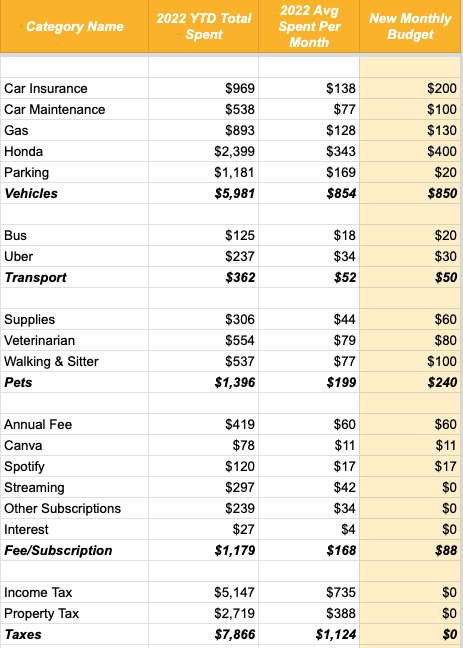
After identifying areas where you can cut back, create a budget that aligns with your financial goals. Allocate funds for essential expenses such as housing, utilities, groceries, and transportation first, then prioritize savings and debt repayment. Use budgeting tools or apps to help you track your spending and stay on target with your financial goals.
Reduce Utility Costs
Another way to downsize expenses is to reduce your utility costs. Simple changes such as turning off lights when not in use, unplugging electronics, using energy-efficient appliances, and adjusting your thermostat can help lower your energy bills. Consider investing in energy-saving devices such as smart thermostats or LED light bulbs to further reduce your utility costs.

Additionally, look for ways to reduce water usage in your home, such as fixing leaky faucets, taking shorter showers, and using water-saving devices. By being mindful of your energy and water usage, you can lower your utility bills and save money in the long run.
Shop Smart
When it comes to downsizing expenses, shopping smart can make a big difference. Look for sales, discounts, and coupons when making purchases to save money on essential items. Consider buying in bulk or shopping at discount stores to get more value for your money.
Avoid impulse purchases and unnecessary items by making a shopping list before heading to the store. Stick to your list and avoid buying items on a whim to prevent overspending. Compare prices and shop around for the best deals to ensure you are getting the most value for your money.
Cut Back on Dining Out
Dining out can be a major expense for many people, but cutting back on this habit can help downsize expenses significantly. Instead of eating out regularly, consider cooking at home more often. Meal planning and preparing meals in advance can help you save time and money on food expenses.
When dining out, look for ways to save money such as sharing meals, ordering water instead of expensive drinks, or choosing restaurants with specials or discounts. Consider packing lunches for work or school to avoid costly takeout meals. By reducing your dining out expenses, you can free up funds for other financial goals.
Eliminate Unnecessary Subscriptions
Subscription services can add up quickly and create unnecessary expenses in your budget. Take the time to review your subscriptions and eliminate any that are non-essential or that you no longer use. Consider canceling subscriptions for streaming services, gym memberships, magazines, or other recurring expenses that can be cut back.
If you find yourself not using a subscription regularly, consider sharing it with a friend or family member to split the cost. Alternatively, look for free or lower-cost alternatives to replace paid subscriptions. By eliminating unnecessary subscriptions, you can free up funds and reduce your monthly expenses.
Reduce Transportation Costs
Transportation costs can be a significant expense for many people, but there are ways to reduce these costs and downsize expenses. Consider carpooling, taking public transportation, biking, or walking instead of driving to save money on gas, parking, and maintenance costs. Look for ways to reduce your car insurance premiums by comparing quotes or bundling policies.
If you have multiple vehicles, consider downsizing to one car to lower your expenses. Alternatively, explore car-sharing services or renting a vehicle when needed instead of owning a car. By finding alternative transportation options and reducing your reliance on a car, you can save money and reduce your expenses.
Pay Off Debt
Paying off debt is another important step in downsizing expenses and improving your financial health. High-interest debt such as credit cards or loans can drain your finances and prevent you from reaching your financial goals. Create a debt repayment plan and prioritize paying off high-interest debt first to save money on interest charges.
Consider consolidating debt or transferring balances to lower-interest accounts to reduce your monthly payments. Look for ways to increase your income or reduce expenses to free up funds for debt repayment. By focusing on paying off debt, you can reduce financial stress, improve your credit score, and work towards achieving financial freedom.
Conclusion
In conclusion, downsizing expenses is a key strategy for improving your financial health and achieving your financial goals. By creating a budget, reducing utility costs, shopping smart, cutting back on dining out, eliminating unnecessary subscriptions, reducing transportation costs, and paying off debt, you can free up funds and work towards financial stability. Take the time to assess your expenses, make changes to your spending habits, and prioritize your financial goals to downsize expenses and improve your financial well-being.