
The Importance of Freelance Income Management
Freelancing offers individuals the flexibility and autonomy to work on their own terms, but it also comes with the responsibility of managing their income effectively. Proper income management is crucial for freelancers to ensure financial stability, plan for taxes, and save for the future. Without a clear strategy for managing their income, freelancers may struggle to stay afloat financially and face unnecessary stress and uncertainty.
One of the key benefits of effective income management for freelancers is the ability to track their earnings and expenses accurately. By keeping detailed records of their income and expenses, freelancers can better understand their financial situation and make informed decisions about their business. This can help prevent overspending, identify areas for cost-saving, and ensure that freelancers are setting aside enough money for taxes and savings.
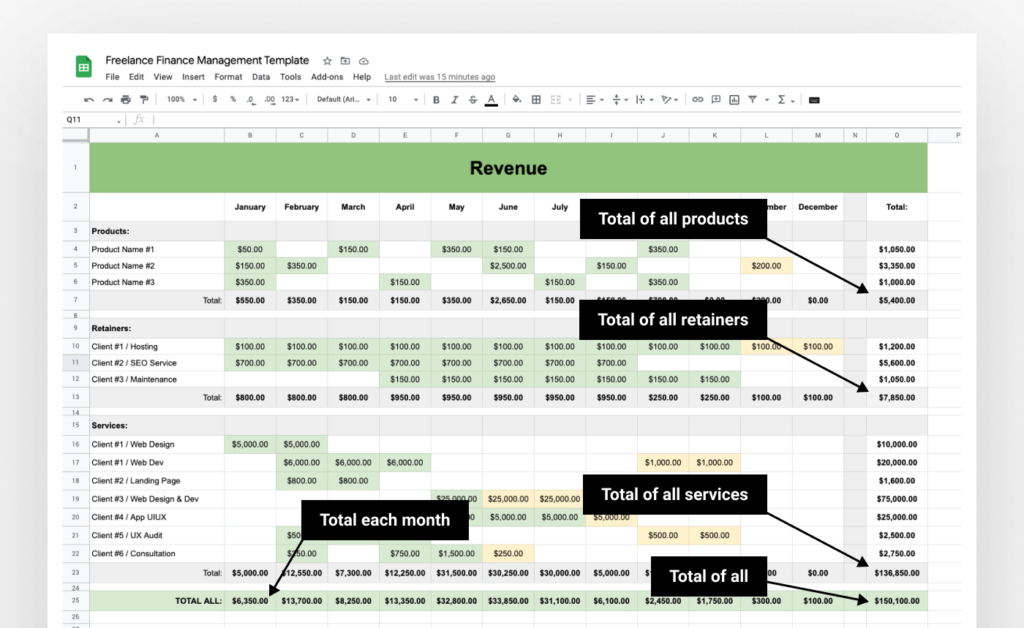
Additionally, proper income management can help freelancers plan for fluctuations in their income. Freelancers often experience periods of feast and famine, where they may have months of high earnings followed by periods of lower income. By creating a budget and setting aside money for lean months, freelancers can avoid financial hardship during slow periods and maintain financial stability throughout the year.
In summary, effective freelance income management is essential for freelancers to achieve financial stability, plan for taxes, and save for the future. By tracking their earnings and expenses, planning for fluctuations in income, and setting aside money for taxes and savings, freelancers can ensure that they are able to sustain their business and achieve their financial goals.
Creating a Budget for Freelance Income

One of the first steps in managing freelance income effectively is to create a budget. A budget is a financial plan that outlines a freelancer’s income, expenses, and savings goals. By creating a budget, freelancers can better understand their financial situation, identify areas for cost-saving, and ensure that they are setting aside enough money for taxes and savings.
When creating a budget for freelance income, freelancers should start by calculating their monthly income. This includes all sources of income, such as client payments, affiliate marketing, and any other revenue streams. Freelancers should also consider their expenses, including business expenses like software subscriptions, equipment, and marketing costs, as well as personal expenses like rent, groceries, and utilities.

Once freelancers have calculated their income and expenses, they can create a budget that allocates money for each category. This can help freelancers prioritize their spending, identify areas where they can cut costs, and ensure that they are setting aside enough money for taxes and savings. Freelancers should review their budget regularly and make adjustments as needed to ensure that they are staying on track with their financial goals.
In conclusion, creating a budget for freelance income is essential for freelancers to manage their finances effectively, plan for taxes, and save for the future. By tracking their income and expenses, prioritizing their spending, and setting aside money for taxes and savings, freelancers can ensure that they are able to achieve their financial goals and maintain financial stability.
Setting Aside Money for Taxes
One of the biggest challenges for freelancers is managing their tax obligations. Unlike traditional employees, freelancers are responsible for paying their own taxes, including income tax, self-employment tax, and any other applicable taxes. Failure to set aside money for taxes can result in financial hardship and potential penalties from the IRS.
To avoid surprises come tax time, freelancers should set aside a portion of their income for taxes throughout the year. A common rule of thumb is to set aside 25-30% of each payment for taxes, although this may vary depending on the freelancer’s tax bracket and deductions. Freelancers can create a separate savings account or designated fund specifically for taxes to ensure that they have enough money set aside when taxes are due.
In addition to setting aside money for income taxes, freelancers should also be aware of other tax obligations, such as self-employment tax and estimated tax payments. Freelancers should familiarize themselves with the tax laws that apply to their business and consult with a tax professional if needed to ensure that they are compliant with tax regulations and maximizing their deductions.
In summary, setting aside money for taxes is crucial for freelancers to avoid financial hardship and penalties from the IRS. By allocating a portion of their income for taxes, creating a separate savings account for tax payments, and staying informed about tax obligations, freelancers can ensure that they are able to meet their tax responsibilities and maintain financial stability.
Managing Variable Income as a Freelancer
One of the challenges of freelancing is dealing with variable income. Unlike traditional employees who receive a steady paycheck, freelancers often experience fluctuations in their income due to factors like project delays, seasonal demand, and client turnover. Managing variable income effectively is essential for freelancers to maintain financial stability and plan for the future.
One strategy for managing variable income as a freelancer is to create a buffer or emergency fund. Freelancers can set aside a portion of their income during high-earning months to cover expenses during lean months. This can help freelancers avoid financial stress and uncertainty during slow periods and ensure that they are able to meet their financial obligations.
Another strategy for managing variable income is to diversify revenue streams. Freelancers can reduce their reliance on a single client or project by diversifying their income sources, such as offering different services, expanding into new markets, or creating passive income streams. This can help freelancers mitigate the impact of fluctuations in income and maintain financial stability throughout the year.
In conclusion, managing variable income as a freelancer requires careful planning and strategic decision-making. By creating a buffer or emergency fund, diversifying revenue streams, and staying proactive about seeking new opportunities, freelancers can navigate the ups and downs of freelancing and ensure that they are able to achieve financial stability and success in their business.
Planning for Retirement as a Freelancer
Retirement planning is often overlooked by freelancers, who may prioritize short-term financial goals over long-term savings. However, planning for retirement is essential for freelancers to ensure financial security in their later years and enjoy a comfortable retirement lifestyle. By taking proactive steps to save for retirement, freelancers can set themselves up for a secure financial future.
One of the first steps in planning for retirement as a freelancer is to open a retirement account, such as an Individual Retirement Account (IRA) or a Solo 401(k). These accounts offer tax advantages and allow freelancers to save for retirement while also reducing their taxable income. Freelancers should contribute regularly to their retirement account and consider increasing their contributions as their income grows.
Another important aspect of retirement planning for freelancers is to establish a savings goal. Freelancers should determine how much they need to save for retirement based on their desired lifestyle, expected expenses, and retirement age. By setting a savings goal, freelancers can track their progress and make adjustments as needed to ensure that they are on track to achieve their retirement goals.
In summary, planning for retirement as a freelancer is essential for securing a stable financial future. By opening a retirement account, setting a savings goal, and contributing regularly to their retirement fund, freelancers can ensure that they are able to enjoy a comfortable retirement lifestyle and achieve financial security in their later years.
Investing for the Future as a Freelancer
Investing is an essential part of financial planning for freelancers, as it can help them grow their wealth, build passive income streams, and achieve their long-term financial goals. By investing strategically, freelancers can take advantage of compound interest, diversify their portfolio, and increase their net worth over time. It is important for freelancers to educate themselves about investing and seek advice from financial professionals to make informed decisions about their investments.
One of the key benefits of investing for the future as a freelancer is the potential for long-term growth. By investing in stocks, bonds, real estate, or other assets, freelancers can take advantage of market fluctuations and generate returns on their investments over time. This can help freelancers build wealth, increase their net worth, and achieve financial independence in the future.
Another benefit of investing for the future as a freelancer is the opportunity to build passive income streams. By investing in dividend-paying stocks, rental properties, or other income-generating assets, freelancers can create sources of passive income that provide financial security and stability. This can help freelancers diversify their income streams, reduce their reliance on client work, and achieve greater financial freedom.
In conclusion, investing for the future is a valuable strategy for freelancers to grow their wealth, build passive income streams, and achieve their long-term financial goals. By educating themselves about investing, seeking advice from financial professionals, and making informed decisions about their investments, freelancers can secure a stable financial future and enjoy greater financial freedom in the years to come.
Managing Debt as a Freelancer
Debt can be a significant burden for freelancers, who may struggle to manage their finances effectively while juggling client work and business expenses. Managing debt is essential for freelancers to maintain financial stability, reduce financial stress, and avoid long-term financial consequences. By developing a debt repayment plan, setting a budget, and prioritizing debt payments, freelancers can take control of their financial situation and work towards a debt-free future.
One strategy for managing debt as a freelancer is to prioritize high-interest debts, such as credit card debt, payday loans, or personal loans. By focusing on paying off high-interest debts first, freelancers can save money on interest payments and reduce their overall debt burden. Freelancers should consider consolidating their debts or negotiating with creditors to lower interest rates and make repayment more manageable.
Another strategy for managing debt as a freelancer is to create a debt repayment plan. Freelancers should assess their total debt load, determine their monthly debt payments, and create a repayment schedule that prioritizes high-interest debts while also meeting their other financial obligations. Freelancers can use debt repayment calculators or seek advice from financial professionals to create a plan that works for their budget and financial goals.
In summary, managing debt as a freelancer requires careful planning