
1. Pass-through Taxation
One of the biggest advantages of forming an LLC is the pass-through taxation feature. This means that the profits and losses of the business are passed through to the individual owners, who report them on their personal tax returns. This can result in significant tax savings, as income generated by the LLC is only taxed once at the individual level, rather than being subject to double taxation like a corporation. Additionally, LLC owners can deduct business expenses from their personal income, further reducing their tax liability.
Another benefit of pass-through taxation is the ability to choose how the LLC is taxed. By default, a single-member LLC is taxed as a sole proprietorship, while a multi-member LLC is taxed as a partnership. However, LLCs also have the option to elect to be taxed as an S corporation or C corporation if it makes financial sense for their business. This flexibility allows LLC owners to optimize their tax situation and potentially save even more money.
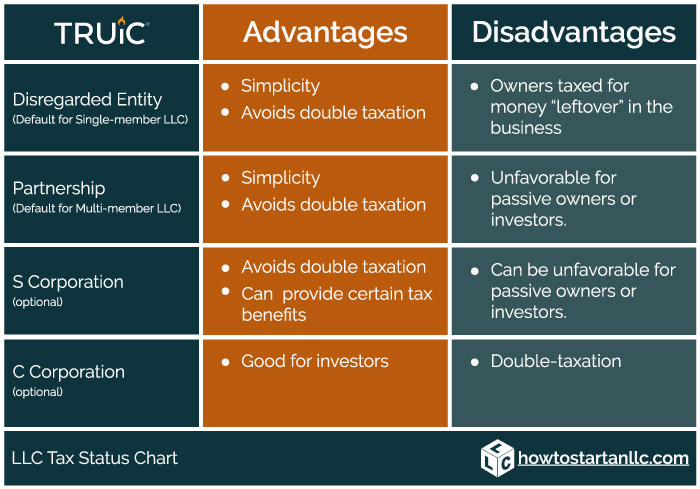
In summary, pass-through taxation is a key tax benefit of forming an LLC. It allows for income to be taxed only once at the individual level, provides the ability to deduct business expenses, and offers flexibility in how the LLC is taxed.
2. Self-Employment Tax Savings
Another tax benefit of forming an LLC is the potential for self-employment tax savings. When you operate a business as a sole proprietor, you are required to pay self-employment taxes on all of your business income. This includes both the employer and employee portions of Social Security and Medicare taxes, which can add up to a significant amount.
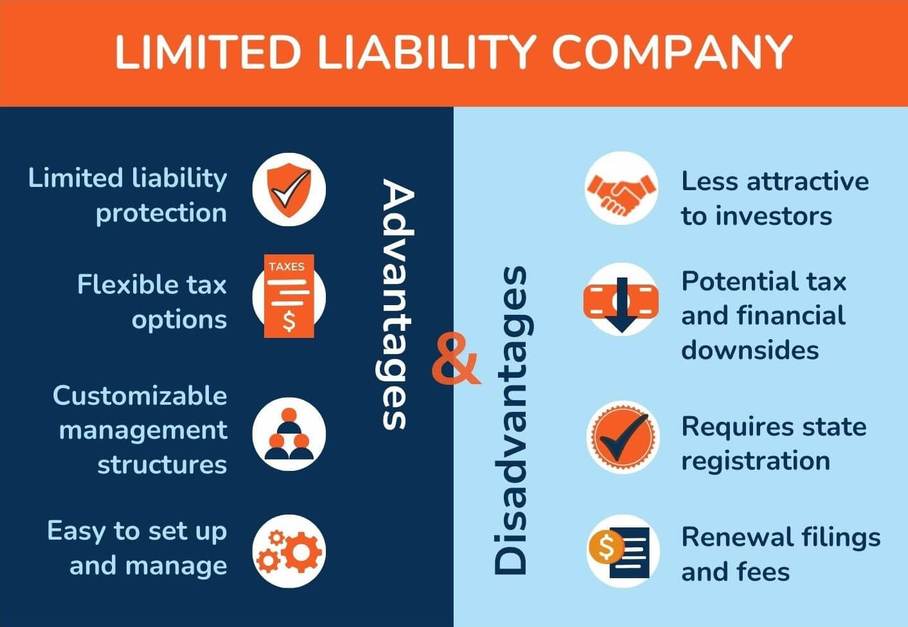
However, as an LLC owner, you have the option to pay yourself a reasonable salary and take the rest of your income as a distribution of profits. This distribution is not subject to self-employment taxes, potentially resulting in substantial savings. By structuring your income in this way, you can minimize your tax liability while still receiving a competitive salary.
It’s important to note that the IRS has guidelines on what constitutes a reasonable salary, so it’s crucial to consult with a tax professional to ensure compliance. By taking advantage of this strategy, LLC owners can realize significant self-employment tax savings and keep more of their hard-earned income.
3. Deductible Business Expenses
One of the perks of being an LLC owner is the ability to deduct business expenses from your taxable income. This can result in significant tax savings and help lower your overall tax liability. Common deductible expenses for LLCs include office rent, utilities, supplies, advertising, professional fees, and employee wages.
By keeping detailed records of your business expenses and utilizing accounting software to track them, you can maximize your deductions and reduce your tax bill. It’s important to note that the expenses must be ordinary and necessary for your business to qualify as deductible, so it’s crucial to keep accurate records and receipts.
Additionally, the Tax Cuts and Jobs Act of 2017 expanded the ability of LLC owners to deduct certain expenses, such as the qualified business income deduction. This deduction allows eligible businesses to deduct up to 20% of their qualified business income, further reducing their tax liability. By taking advantage of deductible business expenses, LLC owners can save money on their taxes and reinvest in their business growth.
4. Limited Liability Protection
Limited liability protection is a key benefit of forming an LLC that can also have tax implications. As a business owner, you are personally protected from any business debts or legal liabilities incurred by the LLC. This means that your personal assets, such as your home or savings, are shielded from business creditors in the event of a lawsuit or bankruptcy.
From a tax perspective, limited liability protection can help you avoid personal tax liabilities related to business debts. If the LLC is unable to pay its debts, creditors can only go after the company’s assets, not your personal assets. This can prevent you from having to use your personal funds to settle business debts and potentially incur additional tax liabilities.
In addition, limited liability protection can provide peace of mind and allow you to focus on growing your business without the fear of personal financial ruin. By forming an LLC and taking advantage of limited liability protection, you can protect your personal assets and potentially save money on taxes in the long run.
5. Retirement Savings Options
LLC owners have several retirement savings options available to them that can provide tax benefits. One popular option is the Solo 401(k) plan, which allows self-employed individuals to contribute both as an employer and employee, potentially maximizing their retirement savings. Contributions to a Solo 401(k) are tax-deductible, reducing your taxable income and providing immediate tax savings.
Another retirement savings option for LLC owners is the Simplified Employee Pension (SEP) IRA. This plan allows LLC owners to contribute up to 25% of their net self-employment income, up to a certain limit, and deduct those contributions from their taxable income. SEP IRAs offer flexibility in contribution amounts and can be a valuable tool for saving for retirement while reducing your tax liability.
By contributing to a retirement savings plan as an LLC owner, you can take advantage of tax deductions, grow your nest egg for the future, and potentially lower your tax liability. It’s important to consult with a financial advisor or tax professional to determine the best retirement savings option for your individual situation and maximize the tax benefits available to you.
6. State Tax Benefits
In addition to federal tax benefits, forming an LLC can also provide state tax benefits depending on where your business is located. Some states offer favorable tax treatment for LLCs, such as lower corporate tax rates, tax credits, or exemptions for certain industries or business activities.
For example, some states have a pass-through entity tax, which allows LLC owners to deduct state income taxes on their federal returns. This can result in additional tax savings and reduce your overall tax liability. Other states may offer tax incentives for businesses that create jobs, invest in certain industries, or contribute to the local economy.
By researching the tax laws and incentives in your state, you can take advantage of any available tax benefits for your LLC. Working with a tax professional who is knowledgeable about state tax regulations can help you maximize your tax savings and ensure compliance with any state tax laws that may impact your business.
7. Tax Credits and Incentives
LLC owners may also be eligible for various tax credits and incentives that can further reduce their tax liability. Some common tax credits available to LLCs include the research and development tax credit, the work opportunity tax credit, and the low-income housing tax credit. These credits provide a dollar-for-dollar reduction in your tax bill, making them valuable tools for saving money on taxes.
In addition to tax credits, LLC owners may qualify for other incentives, such as tax breaks for investing in renewable energy, hiring veterans or individuals with disabilities, or conducting business in certain designated zones. These incentives can help offset business expenses, stimulate economic growth, and provide tax savings for LLC owners.
It’s important to review the tax laws and regulations in your area to determine if your LLC is eligible for any tax credits or incentives. By taking advantage of these opportunities, you can reduce your tax liability, reinvest in your business, and support your local community.
8. Estate Planning Benefits
LLC ownership can also provide estate planning benefits that can have tax advantages for you and your heirs. By transferring ownership of your LLC to a trust or creating a succession plan, you can ensure a smooth transition of your business assets in the event of your death. This can help avoid probate, reduce estate taxes, and protect your business interests for future generations.
In addition, LLC owners can take advantage of valuation discounts when transferring ownership interests to family members through gifting or sales. This can help reduce the taxable value of the assets transferred, potentially saving on estate and gift taxes. By planning ahead and implementing an estate plan that includes your LLC ownership, you can protect your legacy, minimize tax liabilities, and provide for your loved ones.
In conclusion, forming an LLC can provide numerous tax benefits for business owners, including pass-through taxation, self-employment tax savings, deductible business expenses, limited liability protection, retirement savings options, state tax benefits, tax credits and incentives, and estate planning benefits. By taking advantage of these tax benefits and working with a tax professional to optimize your tax situation, you can save money on taxes, reinvest in your business, and secure a brighter financial future.