
Introduction to Bookkeeping for Beginners
Bookkeeping is the process of recording financial transactions of a business. It is essential for the management of a company’s financial health and is crucial for decision-making, budgeting, and tax purposes. As a beginner in bookkeeping, it is important to understand the basic principles and practices to effectively manage the financial affairs of a business. This article will provide an overview of bookkeeping for beginners and guide you through the essential steps to get started.
Understanding the Basics of Bookkeeping
Bookkeeping involves recording all financial transactions of a business including sales, purchases, payments, and receipts. The primary purpose of bookkeeping is to maintain accurate and up-to-date records of a company’s financial activities. There are two main methods of bookkeeping – single-entry and double-entry. Single-entry bookkeeping is a simple method that involves recording transactions in a single account, while double-entry bookkeeping is a more sophisticated method that involves recording transactions in multiple accounts.
In double-entry bookkeeping, every transaction has two sides – a debit and a credit. Debits represent money that is coming into the business, while credits represent money that is going out of the business. The fundamental accounting equation is Assets = Liabilities + Equity, which must always be in balance. By following this equation, you can ensure the accuracy of your financial records.
Setting Up Your Bookkeeping System
To effectively manage your bookkeeping records, you need to set up a bookkeeping system. This system can be manual or computerized, depending on the size and complexity of your business. A manual system involves keeping handwritten records in journals and ledgers, while a computerized system uses accounting software to record and track financial transactions.
When setting up your bookkeeping system, you need to establish a chart of accounts, which is a list of all the accounts used in your business. The chart of accounts categorizes transactions into different accounts such as assets, liabilities, equity, income, and expenses. This helps you organize and track your financial activities effectively.
Recording Financial Transactions
Once you have set up your bookkeeping system, you need to start recording financial transactions. This involves documenting all income and expenses, as well as tracking assets and liabilities. Every transaction should be recorded accurately and in a timely manner to ensure the integrity of your financial records.
When recording financial transactions, it is important to use proper accounting principles such as the matching principle, which requires that expenses be matched with revenues in the period they are incurred. This helps you accurately report your financial performance and make informed decisions about your business.
Reconciling Accounts
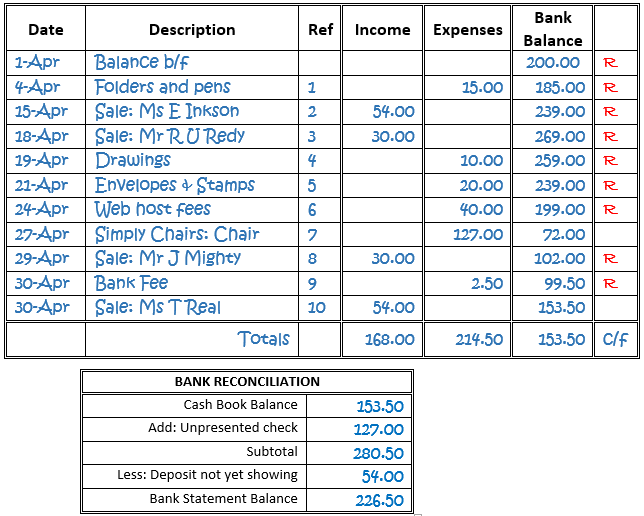
Reconciling accounts is an essential part of bookkeeping that involves comparing your financial records with bank statements to ensure accuracy. This process helps you identify any discrepancies or errors in your records and allows you to correct them promptly.
To reconcile your accounts, you need to compare the ending balances of your cash accounts, such as checking and savings accounts, with the balances on your bank statements. Any differences should be investigated and resolved to maintain the accuracy of your financial records.
Generating Financial Reports
Generating financial reports is a critical aspect of bookkeeping that provides insights into the financial health of your business. Financial reports such as income statements, balance sheets, and cash flow statements help you track your revenues, expenses, assets, and liabilities over a specific period.
By analyzing these reports, you can identify trends, make informed decisions, and plan for the future of your business. Financial reports also play a crucial role in attracting investors, securing loans, and complying with tax regulations.
Monitoring Cash Flow
Cash flow management is vital for the success of any business. As a bookkeeper, you need to monitor your cash flow regularly to ensure that your business has enough cash to meet its financial obligations. By tracking your income and expenses, you can identify cash shortages or surpluses and take appropriate actions to manage your cash flow effectively.
To monitor cash flow, you can create a cash flow statement that shows the inflows and outflows of cash in your business over a specific period. This statement helps you forecast your future cash needs and make strategic decisions to improve your cash flow.
Complying with Tax Regulations
Complying with tax regulations is a crucial aspect of bookkeeping that ensures your business meets its tax obligations. As a bookkeeper, you need to keep accurate records of your financial transactions, report your income and expenses correctly, and file your tax returns on time.
By staying compliant with tax regulations, you can avoid penalties, audits, and other legal issues that can impact the financial health of your business. It is essential to understand the tax laws and regulations that apply to your business and seek professional advice if needed.
Conclusion
In conclusion, bookkeeping is an essential aspect of managing the financial affairs of a business. As a beginner in bookkeeping, it is important to understand the basic principles and practices to maintain accurate and up-to-date financial records. By setting up a bookkeeping system, recording financial transactions, reconciling accounts, generating financial reports, monitoring cash flow, and complying with tax regulations, you can effectively manage the financial health of your business. With the right knowledge and tools, you can make informed decisions, plan for the future, and achieve success in your business endeavors.