
Introduction to Business Accounting Tools
Business accounting tools are essential for keeping track of a company’s financial transactions and ensuring accurate financial reporting. These tools help businesses maintain accurate records, make informed financial decisions, and comply with tax regulations. There are various accounting tools available in the market, each designed to cater to different business needs and sizes. In this article, we will explore the different types of business accounting tools and their benefits for businesses.
Types of Business Accounting Tools
There are several types of accounting tools available for businesses, including accounting software, online accounting tools, and cloud-based accounting solutions. Accounting software such as QuickBooks and Xero are popular choices for small and medium-sized businesses as they offer features such as invoicing, expense tracking, and financial reporting. Online accounting tools like FreshBooks and Wave Accounting are ideal for freelancers and small businesses that need a simple and affordable solution. Cloud-based accounting solutions like NetSuite and Sage Intacct are suitable for larger businesses that require advanced features and scalability.
Benefits of Using Business Accounting Tools
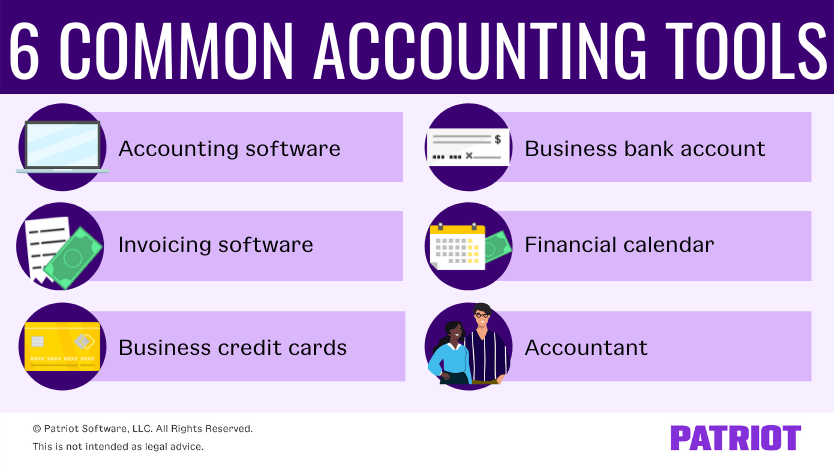
Business accounting tools offer several benefits for businesses, including increased efficiency, accuracy, and compliance. These tools automate repetitive tasks such as data entry and reconciliation, saving time and reducing the risk of errors. They also provide real-time access to financial data, allowing businesses to make informed decisions quickly. Additionally, accounting tools help businesses stay compliant with tax regulations by providing accurate and up-to-date financial reports. Overall, using business accounting tools can help businesses streamline their financial processes and improve their bottom line.
Choosing the Right Accounting Tool for Your Business
When choosing an accounting tool for your business, it is important to consider factors such as your business size, industry, and budget. Small businesses may benefit from simple and affordable accounting software like QuickBooks or FreshBooks, while larger businesses may require more advanced features offered by cloud-based solutions like NetSuite or Sage Intacct. It is also essential to consider the scalability and integration capabilities of the accounting tool to ensure it can grow with your business and integrate with other business systems. Lastly, consider the customer support and training options provided by the accounting tool vendor to ensure you receive adequate support when needed.
Features to Look for in Business Accounting Tools

When evaluating accounting tools for your business, it is essential to look for features that align with your business needs and goals. Some key features to consider include invoicing and billing, expense tracking, financial reporting, and inventory management. Additionally, look for features such as multi-currency support, tax calculation, and bank reconciliation to ensure the accounting tool can handle your business requirements. Consider if the accounting tool offers integration with other business systems like CRM or ERP software to streamline your business processes further. Ultimately, choose an accounting tool that offers the features and functionality your business needs to succeed.
Best Practices for Using Business Accounting Tools
To get the most out of your business accounting tools, it is essential to follow best practices for using them effectively. First, ensure you set up the accounting tool correctly and customize it to meet your business needs. Regularly reconcile your bank accounts and review financial reports to ensure accuracy and identify any discrepancies. Keep your accounting records organized and up-to-date to make tax filing and financial reporting easier. Lastly, consider investing in training for yourself and your team to maximize the benefits of using the accounting tool and ensure proper usage.
Security Considerations for Business Accounting Tools
Security is a crucial aspect to consider when using business accounting tools to protect sensitive financial data from unauthorized access or cyber threats. Ensure the accounting tool you choose follows industry-standard security protocols and encryption methods to safeguard your data. Implement strong password policies, two-factor authentication, and regular data backups to prevent data loss or breaches. Additionally, restrict access to the accounting tool to authorized users only and monitor user activity to detect any suspicious behavior. By prioritizing security measures, you can ensure the safety and integrity of your financial information.
Conclusion
Business accounting tools play a vital role in helping businesses manage their finances efficiently and accurately. With the right accounting tool, businesses can streamline their financial processes, make informed decisions, and stay compliant with tax regulations. By choosing a suitable accounting tool that aligns with your business needs and following best practices for using it effectively, you can enhance your business’s financial management and drive growth. Remember to prioritize security considerations to protect your sensitive financial data and ensure the integrity of your business operations.