
Understanding the Difference Between 1099 and W2
When it comes to working as an independent contractor or an employee, one of the most important distinctions is whether you are classified as a 1099 worker or a W2 employee. Understanding the difference between these two classifications is crucial for both workers and employers. Let’s break down the key differences between 1099 and W2 status.
1099 Worker Explained
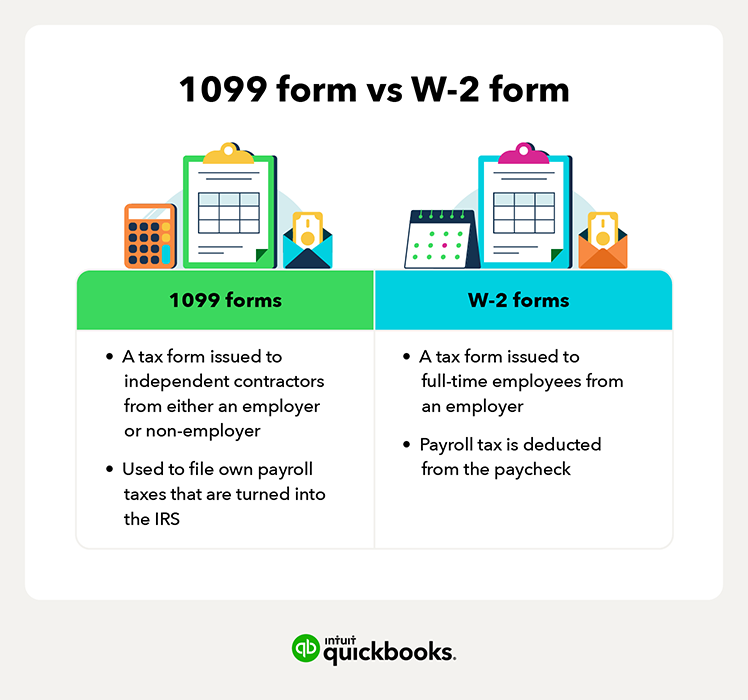
A 1099 worker is an independent contractor who is not considered an employee of the company they work for. Instead of receiving a regular paycheck, 1099 workers are paid based on a contract or project basis. They are responsible for paying their own taxes, including self-employment tax, and do not receive benefits such as health insurance or paid time off. 1099 workers have more flexibility in terms of when and how they work, but they also have less job security compared to W2 employees.
One of the key advantages of being a 1099 worker is the ability to deduct business expenses from your taxes, such as equipment, supplies, and travel costs. This can result in significant tax savings for independent contractors. However, 1099 workers are also responsible for managing their own finances, including setting aside money for taxes and retirement savings. It’s important for 1099 workers to stay organized and keep track of their income and expenses throughout the year.
In order to be classified as a 1099 worker, the IRS requires that the worker meet certain criteria, such as having control over how and when the work is performed, providing their own tools and equipment, and having the opportunity to make a profit or loss. If a worker does not meet these criteria, they may be misclassified as a 1099 worker when they should actually be treated as a W2 employee.
W2 Employee Explained

Unlike 1099 workers, W2 employees are considered employees of the company they work for and receive a regular paycheck with taxes withheld. They are entitled to benefits such as health insurance, paid time off, and retirement contributions. W2 employees have less flexibility in terms of when and how they work, as they are typically required to work a set schedule and report to a supervisor.
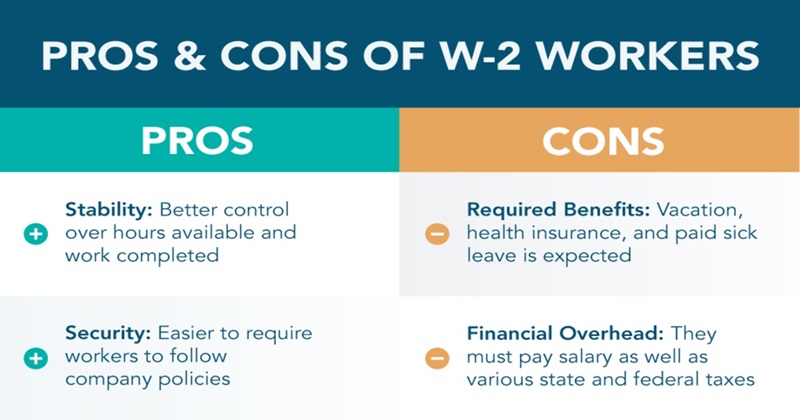
One of the main advantages of being a W2 employee is the stability and security that comes with a steady paycheck and benefits. W2 employees also have the option to participate in employer-sponsored retirement plans, such as 401(k) or pension plans, which can help them save for the future. However, W2 employees do not have the same tax advantages as 1099 workers when it comes to deducting business expenses.
In order to be classified as a W2 employee, the employer must withhold taxes from the employee’s paycheck, including federal income tax, Social Security, and Medicare. The employer is also responsible for paying a portion of the employee’s Social Security and Medicare taxes. W2 employees are protected by labor laws, such as minimum wage and overtime regulations, and may be eligible for unemployment benefits if they are laid off or lose their job.
Key Differences Between 1099 and W2 Status
There are several key differences between being a 1099 worker and a W2 employee, including tax implications, benefits, and job security. 1099 workers are responsible for paying their own taxes and do not receive benefits, while W2 employees have taxes withheld from their paycheck and are entitled to benefits such as health insurance and paid time off. 1099 workers have more flexibility in terms of how and when they work, but they also have less job security compared to W2 employees.
Another important difference between 1099 and W2 status is how workers are classified under labor laws. W2 employees are protected by federal and state labor laws, such as minimum wage and overtime regulations, while 1099 workers are not covered by these laws. This means that W2 employees have more legal protections and recourse in case of workplace disputes or violations.
Employers also have different responsibilities depending on whether they hire 1099 workers or W2 employees. For 1099 workers, employers are not required to withhold taxes or provide benefits, as the worker is considered self-employed. However, employers must still adhere to contract terms and payment schedules when working with independent contractors. For W2 employees, employers are responsible for withholding taxes, providing benefits, and complying with labor laws to ensure a safe and fair work environment.
How to Determine Your Classification as 1099 or W2
If you are unsure whether you are classified as a 1099 worker or a W2 employee, there are several factors to consider. The IRS provides guidelines for determining worker classification based on the level of control the employer has over the worker, the type of work being performed, and the financial relationship between the employer and worker. If you have any questions about your classification, you can consult with a tax professional or legal advisor for guidance.
One of the key factors in determining worker classification is the degree of control the employer has over the worker. If the employer dictates how and when the work is performed, provides tools and equipment, and has the right to hire or fire the worker, the worker is more likely to be classified as a W2 employee. On the other hand, if the worker has control over how and when the work is performed, provides their own tools and equipment, and has the opportunity to make a profit or loss, they may be classified as a 1099 worker.
It’s important to carefully review any contracts or agreements you have with your employer to understand your classification and rights as a worker. If you believe you have been misclassified as a 1099 worker when you should be treated as a W2 employee, you may be entitled to back pay, benefits, and other rights under labor laws. Consulting with a legal professional can help you navigate the process of challenging your classification and seeking fair treatment from your employer.
Pros and Cons of 1099 vs W2 Status
Both 1099 and W2 status have their own advantages and disadvantages for workers and employers. 1099 workers have more flexibility in terms of how and when they work, as well as the ability to deduct business expenses from their taxes. However, they also have less job security and are responsible for managing their own finances, including taxes and retirement savings.
W2 employees, on the other hand, have the stability and security of a regular paycheck and benefits such as health insurance and paid time off. They are protected by labor laws and have legal recourse in case of workplace disputes or violations. However, W2 employees do not have the same tax advantages as 1099 workers and have less flexibility in terms of their work schedule and responsibilities.
For employers, hiring 1099 workers can be cost-effective and flexible, as they are not required to withhold taxes or provide benefits. However, employers must still adhere to contract terms and payment schedules when working with independent contractors. Hiring W2 employees may be more expensive for employers due to taxes and benefits, but it can also result in a more stable and productive workforce with legal protections and rights.
Conclusion
In conclusion, understanding the difference between 1099 and W2 status is essential for both workers and employers. 1099 workers are independent contractors who are responsible for paying their own taxes and do not receive benefits, while W2 employees are considered employees of the company and receive a regular paycheck with taxes withheld. Each classification has its own advantages and disadvantages in terms of flexibility, benefits, and job security.
If you are uncertain about your classification as a 1099 worker or a W2 employee, it’s important to review your contracts and consult with a tax professional or legal advisor for guidance. Misclassification can have serious consequences for both workers and employers, including legal and financial liabilities. By understanding the differences between 1099 and W2 status, you can make informed decisions about your work arrangement and rights as a worker.