
Understanding Term Life Insurance
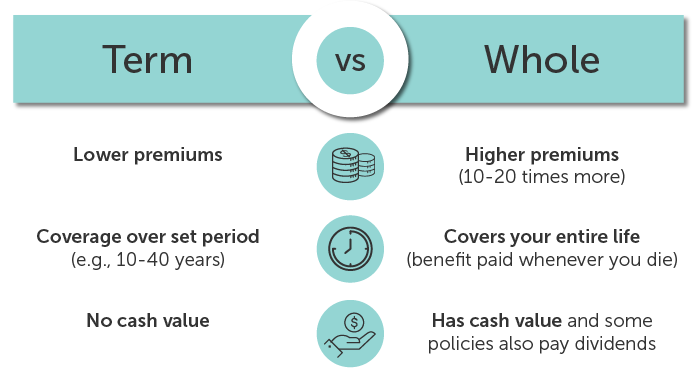
Term life insurance is a type of life insurance that provides coverage for a specified period, typically ranging from 10 to 30 years. During this period, if the insured individual passes away, their beneficiaries will receive a payout known as the death benefit. Term life insurance is often more affordable than whole life insurance because it does not accumulate cash value over time.
One of the main advantages of term life insurance is its affordability. Since term life insurance only provides coverage for a specific period, the premiums are typically lower compared to whole life insurance. This makes term life insurance a good option for individuals who need coverage for a specific period, such as to cover a mortgage or to provide financial protection for young children until they are financially independent.
Another advantage of term life insurance is its simplicity. Unlike whole life insurance, which combines life insurance with an investment component, term life insurance focuses solely on providing a death benefit. This makes term life insurance easier to understand and more straightforward to manage.
However, one drawback of term life insurance is that it does not accumulate cash value. This means that if the insured individual outlives the term of the policy, they will not receive any payout. Additionally, once the term of the policy expires, the insured individual may face difficulty obtaining a new policy, especially if they have developed health issues.
Exploring Whole Life Insurance
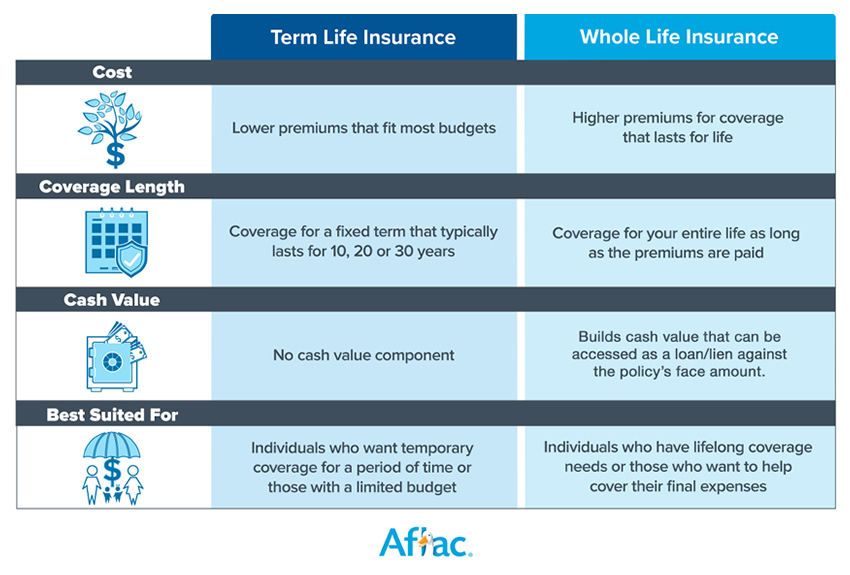
Whole life insurance is a type of permanent life insurance that provides coverage for the entire lifetime of the insured individual. In addition to providing a death benefit, whole life insurance also accumulates cash value over time, which can be accessed through policy loans or withdrawals.
One of the main advantages of whole life insurance is its lifelong coverage. Unlike term life insurance, which only provides coverage for a specific period, whole life insurance ensures that the insured individual’s beneficiaries will receive a payout regardless of when the insured individual passes away. This can provide peace of mind and financial security for the insured individual’s loved ones.
Another advantage of whole life insurance is its cash value accumulation. As the insured individual pays premiums, a portion of the premium goes towards the cash value component of the policy. This cash value grows over time on a tax-deferred basis and can be accessed by the insured individual through policy loans or withdrawals. This can provide a source of funds for emergencies or retirement income.
However, one drawback of whole life insurance is its higher cost compared to term life insurance. Since whole life insurance provides lifelong coverage and accumulates cash value, the premiums are typically higher than term life insurance. This can make whole life insurance less affordable for some individuals, especially for those who are looking for basic coverage without the investment component.
Comparing Premiums
When comparing term life insurance and whole life insurance, one of the main factors to consider is the cost of premiums. Term life insurance typically has lower premiums compared to whole life insurance because it only provides coverage for a specific period and does not accumulate cash value. This makes term life insurance a more affordable option for individuals who need basic coverage for a specific period, such as to cover a mortgage or provide financial protection for young children.
On the other hand, whole life insurance has higher premiums because it provides lifelong coverage and accumulates cash value over time. The higher premiums of whole life insurance may make it less affordable for some individuals, especially for those who are looking for basic coverage without the investment component. However, the cash value accumulation of whole life insurance can provide a source of funds for emergencies or retirement income, which may offset the higher cost of premiums for some individuals.
When comparing premiums between term life insurance and whole life insurance, it is important to consider your financial goals and needs. If you are looking for affordable coverage for a specific period, term life insurance may be the better option. If you are looking for lifelong coverage and the potential for cash value accumulation, whole life insurance may be more suitable for your needs.
Understanding Death Benefits
Death benefit is a crucial aspect to consider when comparing term life insurance and whole life insurance. The death benefit is the amount that the insured individual’s beneficiaries will receive if the insured individual passes away during the coverage period of the policy. This payout can provide financial security and support for the insured individual’s loved ones in the event of their passing.
Term life insurance provides a death benefit for a specified period, typically ranging from 10 to 30 years. If the insured individual passes away during this period, their beneficiaries will receive the death benefit. However, if the insured individual outlives the term of the policy, no payout will be made. This can be a drawback for individuals who are looking for lifelong coverage or who want to leave a financial legacy for their loved ones.
Whole life insurance, on the other hand, provides a death benefit for the entire lifetime of the insured individual. This means that the insured individual’s beneficiaries will receive a payout regardless of when the insured individual passes away. This lifelong coverage can provide peace of mind and financial security for the insured individual’s loved ones, ensuring that they will be taken care of no matter when the insured individual passes away.
When considering death benefits between term life insurance and whole life insurance, it is important to weigh the benefits of lifelong coverage against the affordability of term life insurance. If you are looking for basic coverage for a specific period, term life insurance may be the better option. If you are looking for lifelong coverage and the peace of mind of knowing that your loved ones will be taken care of no matter when you pass away, whole life insurance may be more suitable for your needs.
Investment Component
One key difference between term life insurance and whole life insurance is the investment component. Whole life insurance combines life insurance with an investment component that accumulates cash value over time. This cash value can be accessed by the insured individual through policy loans or withdrawals, providing a source of funds for emergencies or retirement income.
The cash value accumulation of whole life insurance is a unique feature that sets it apart from term life insurance. As the insured individual pays premiums, a portion of the premium goes towards the cash value component of the policy. This cash value grows over time on a tax-deferred basis, meaning that the insured individual does not have to pay taxes on the growth of the cash value until it is accessed. This can provide a tax-efficient way to build savings over time.
In addition to the cash value accumulation, whole life insurance also offers a guaranteed death benefit, meaning that the insured individual’s beneficiaries will receive a payout regardless of how the cash value component performs. This can provide additional peace of mind and financial security for the insured individual’s loved ones, knowing that they will receive a guaranteed payout when the insured individual passes away.
However, the investment component of whole life insurance also comes with higher premiums compared to term life insurance. Since whole life insurance provides lifelong coverage and accumulates cash value, the premiums are typically higher than term life insurance. This can make whole life insurance less affordable for some individuals, especially for those who are looking for basic coverage without the investment component.
Flexibility and Customization
When comparing term life insurance and whole life insurance, another important factor to consider is the flexibility and customization of the policies. Term life insurance provides coverage for a specific period, typically ranging from 10 to 30 years, with fixed premiums and death benefits. This simplicity makes term life insurance easier to understand and more straightforward to manage.
Whole life insurance, on the other hand, offers more flexibility and customization options. In addition to providing lifelong coverage and accumulating cash value, whole life insurance policies can be tailored to meet the insured individual’s specific needs and financial goals. This customization can include adjusting the death benefit amount, choosing a payment schedule that fits your budget, or adding riders for additional coverage, such as critical illness or disability benefits.
The flexibility and customization options of whole life insurance can make it a more attractive option for individuals who are looking for lifelong coverage and want the ability to adjust their policy to meet their changing financial needs. However, this customization comes with higher premiums compared to term life insurance, which may make whole life insurance less affordable for some individuals.
When considering the flexibility and customization of term life insurance and whole life insurance, it is important to weigh the benefits of customization against the affordability of term life insurance. If you are looking for basic coverage for a specific period without the need for customization, term life insurance may be the better option. If you are looking for lifelong coverage and want the ability to tailor your policy to meet your specific needs, whole life insurance may be more suitable for your financial goals.
Health Considerations
Another important factor to consider when comparing term life insurance and whole life insurance is the impact of health considerations on the cost and availability of coverage. When applying for life insurance, the insurance company will assess the insured individual’s health and lifestyle factors to determine the cost of premiums and the availability of coverage.
Term life insurance typically requires a medical exam as part of the underwriting process. The insurance company will evaluate the insured individual’s health history, current health status, and any pre-existing conditions to determine the risk of insuring the individual. Based on this assessment, the insurance company will set the premiums for the policy and may impose exclusions or limitations on coverage.
Whole life insurance also requires a medical exam as part of the underwriting process. However, because whole life insurance provides lifelong coverage and accumulates cash value, the insurance company may take a more comprehensive approach to underwriting. This can result in higher premiums compared to term life insurance, especially for individuals with pre-existing conditions or health issues.
Health considerations can play a significant role in the affordability and availability of term life insurance and whole life insurance. If you have a pre-existing condition or health issue, it may impact the cost of premiums or the availability of coverage. It is important to disclose all relevant health information when applying for life insurance to ensure that you receive accurate quotes and coverage options.
Conclusion
In conclusion, both term life insurance