
What is a Health Savings Account (HSA)?
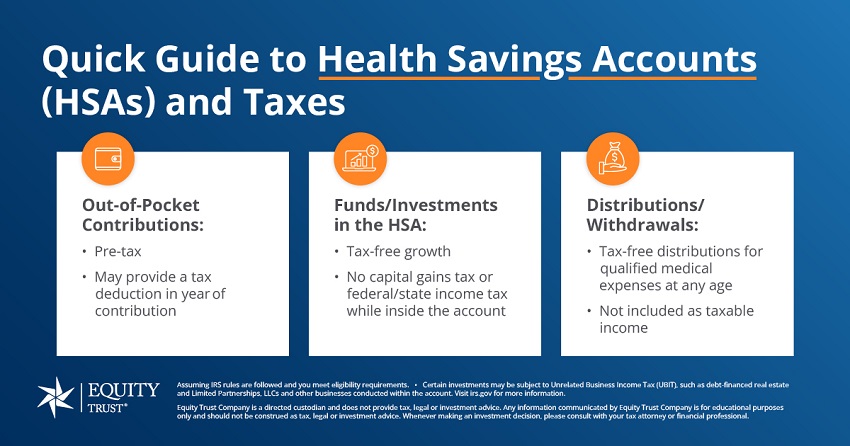
A Health Savings Account (HSA) is a tax-advantaged savings account that allows individuals to save money for medical expenses. HSAs are available to individuals who have a high-deductible health insurance plan. Contributions to an HSA are tax-deductible, and any earnings in the account grow tax-free. Withdrawals from an HSA are also tax-free if they are used to pay for qualified medical expenses.
One of the key benefits of an HSA is that the funds in the account can be rolled over from year to year, unlike a Flexible Spending Account (FSA) where funds must be used within the plan year. This makes an HSA a great way to save for future medical expenses, especially if you anticipate needing significant healthcare services in the future.
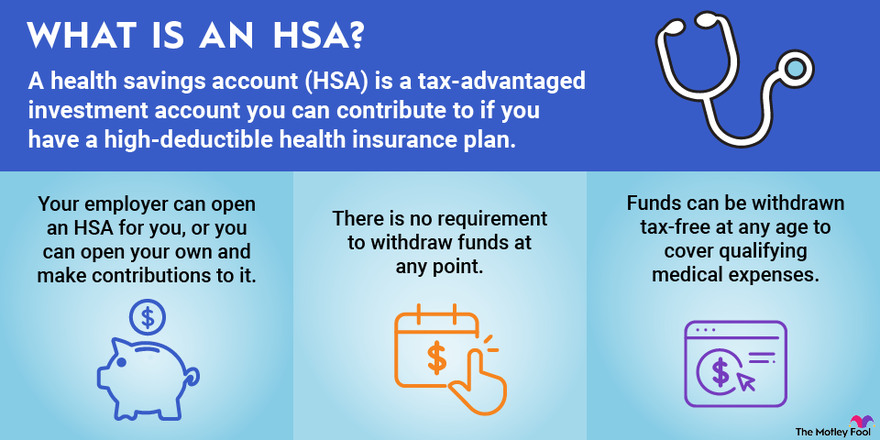
It’s important to note that not everyone is eligible for an HSA. To qualify, you must be enrolled in a high-deductible health plan and not be covered by any other health insurance that is not an HDHP. Additionally, you cannot be enrolled in Medicare or claimed as a dependent on someone else’s tax return.
How Does a Health Savings Account Work?
Once you have an HSA set up, you can make contributions to the account, up to the annual contribution limit set by the IRS. For 2021, the contribution limit for individuals is $3,600 and for families is $7,200. If you are 55 or older, you can make an additional catch-up contribution of $1,000.
When you incur a qualified medical expense, you can use the funds in your HSA to pay for it. This can be done through a debit card linked to the account, a check, or by reimbursing yourself for the expense. It’s important to keep accurate records of your expenses and keep receipts in case you are ever audited by the IRS.
If you use the funds in your HSA for non-qualified expenses before age 65, you will incur a 20% penalty in addition to paying income tax on the withdrawal. After age 65, you can use the funds in your HSA for any expense without penalty, though you will still owe income tax on the withdrawal.
Benefits of a Health Savings Account
There are several benefits to having a Health Savings Account. One of the main benefits is the tax advantages. Contributions to an HSA are tax-deductible, and any earnings in the account grow tax-free. Additionally, withdrawals for qualified medical expenses are tax-free, making an HSA a triple tax-advantaged account.
Another benefit of an HSA is the flexibility it offers. Since funds in the account roll over from year to year, you can save for future medical expenses or use the funds for retirement healthcare costs. This can be especially beneficial if you anticipate needing significant healthcare services in the future.
Additionally, having an HSA can help you save money on healthcare expenses. Since contributions to the account are tax-deductible, you can save on your tax bill while saving for future medical expenses. This can be particularly helpful for individuals with high healthcare costs or those who want to save for retirement healthcare expenses.
How to Open a Health Savings Account
Opening a Health Savings Account is a relatively straightforward process. The first step is to make sure you are eligible for an HSA, which means being enrolled in a high-deductible health plan and not being covered by any other health insurance that is not an HDHP. You also cannot be enrolled in Medicare or claimed as a dependent on someone else’s tax return.
Once you have confirmed your eligibility, you can open an HSA through a qualified financial institution such as a bank, credit union, or insurance company. Some employers also offer HSAs as part of their benefits package. You will need to provide personal information such as your name, address, and Social Security number to open an HSA.
After opening an HSA, you can start making contributions to the account. You can typically do this through payroll deductions if your employer offers an HSA, or by making a direct contribution to the account. Be sure to stay within the annual contribution limits set by the IRS to avoid any penalties.
Investing with a Health Savings Account
One of the benefits of having a Health Savings Account is the ability to invest the funds in the account. Many HSA providers offer investment options such as mutual funds, stocks, and bonds, allowing you to grow your HSA balance over time.
Before investing your HSA funds, it’s important to consider your risk tolerance and investment goals. Since HSAs are typically used for medical expenses, it’s a good idea to keep a portion of your HSA funds in a low-risk, liquid investment to cover any immediate healthcare needs.
Investing with an HSA can be a great way to save for future healthcare expenses, especially if you have a high-deductible health plan and anticipate needing significant healthcare services in the future. Just be sure to review the investment options offered by your HSA provider and choose investments that align with your financial goals.
Maximizing Your Health Savings Account
There are several ways you can maximize the benefits of your Health Savings Account. One way is to contribute the maximum amount allowed by the IRS each year. For 2021, the contribution limit for individuals is $3,600 and for families is $7,200. If you are 55 or older, you can make an additional catch-up contribution of $1,000.
Another way to maximize your HSA is to use the funds in the account for qualified medical expenses. By using the funds for healthcare expenses, you can take advantage of the tax-free withdrawals and grow your HSA balance over time. It’s important to keep accurate records of your expenses and save receipts in case you are ever audited by the IRS.
Additionally, consider investing the funds in your HSA to grow your balance over time. Many HSA providers offer investment options such as mutual funds, stocks, and bonds, allowing you to potentially earn a higher return on your HSA funds. Just be sure to review the investment options offered by your HSA provider and choose investments that align with your financial goals.
Commonly Asked Questions about Health Savings Accounts
1. What are qualified medical expenses that can be paid for with an HSA?
Qualified medical expenses that can be paid for with an HSA include doctor’s visits, prescription medications, dental and vision care, and certain medical supplies. It’s important to keep receipts and documentation of your expenses in case you are ever audited by the IRS.
2. Can I use my HSA funds to pay for health insurance premiums?
You generally cannot use HSA funds to pay for health insurance premiums, with a few exceptions. HSA funds can be used to pay for COBRA premiums, long-term care insurance premiums, and health insurance premiums while receiving federal or state unemployment benefits.
3. What happens to my HSA if I change jobs or leave my employer?
If you change jobs or leave your employer, your HSA is portable, meaning you can take it with you. You can continue to use the funds in the account for qualified medical expenses, even if you are no longer enrolled in a high-deductible health plan. It’s important to keep track of your HSA and update your contact information if you move or change employers.
Conclusion
In conclusion, a Health Savings Account can be a valuable tool for saving for medical expenses and growing your healthcare savings over time. With tax advantages, flexibility, and investment options, an HSA can help you save money on healthcare expenses and plan for future medical needs. By understanding how an HSA works, maximizing your contributions, and investing wisely, you can make the most of your Health Savings Account and secure your financial future. If you are eligible for an HSA, consider opening an account today and start saving for your healthcare expenses.